Moving to Austin Texas? 20 Questions Everyone Wants Answered
If you're thinking about moving to Austin, you probably already know everything there is to know about the city. You've got the neighborhoods mapped out, the commute times memorized, and you're just watching this to confirm what you already believe.
Psych.
Honestly, most people who reach out to us from YouTube have no idea what they're walking into. They know they're relocating for a job or they've heard Austin is great, but they don't know where the Hill Country starts, which roads to avoid, or what a typical home actually costs. It's overwhelming. Where are the safest areas? Which school districts are worth the price? How bad is the traffic really?
I sat down recently and rewatched over 200 intro calls with buyers relocating to Austin. I pulled out the 20 most common questions people ask when they're planning a move here. Some are about money. Some are about lifestyle. A few are about things nobody warns you about until you've already signed a lease. This is the no-BS guide to what it's actually like to live in the Austin area, based on what real people want to know before they pack the moving truck.
Table of Contents
- Is Austin Affordable?
- Traffic, Commutes, and the I-35 Problem
- Property Taxes: What You're Really Paying
- North Austin vs. South Austin: Finding Your Fit
- Schools: The Top Districts and What They Cost
- Cedar Park: Affordable Suburban Living North of Austin
- Clara Vista at Water Ridge: Luxury in Kyle with a Tax Trade-Off
- Heat, Humidity, and Swimming Your Way Through Summer
- Keep Austin Weird: What It Means Now
- Jobs, Tech, and the Broad Austin Economy
- Winter Storms, Power Outages, and What to Expect
- Safety: Big City Reality, Not a Utopia
- Allergies: They're Real and They're Terrible
- Rent First or Buy Right Away?
- Food, Culture, and Why Austin Wins
- Making Friends: Texan Hospitality and Putting Yourself Out There
- Families with Kids: Yes, Austin Works
- Foundation Issues East of I-35
- Day Trips: San Antonio, Houston, and the Gulf
- Diversity, Inclusion, and the I-35 Divide
- Is It Too Late to Move to Austin?
Is Austin Affordable?
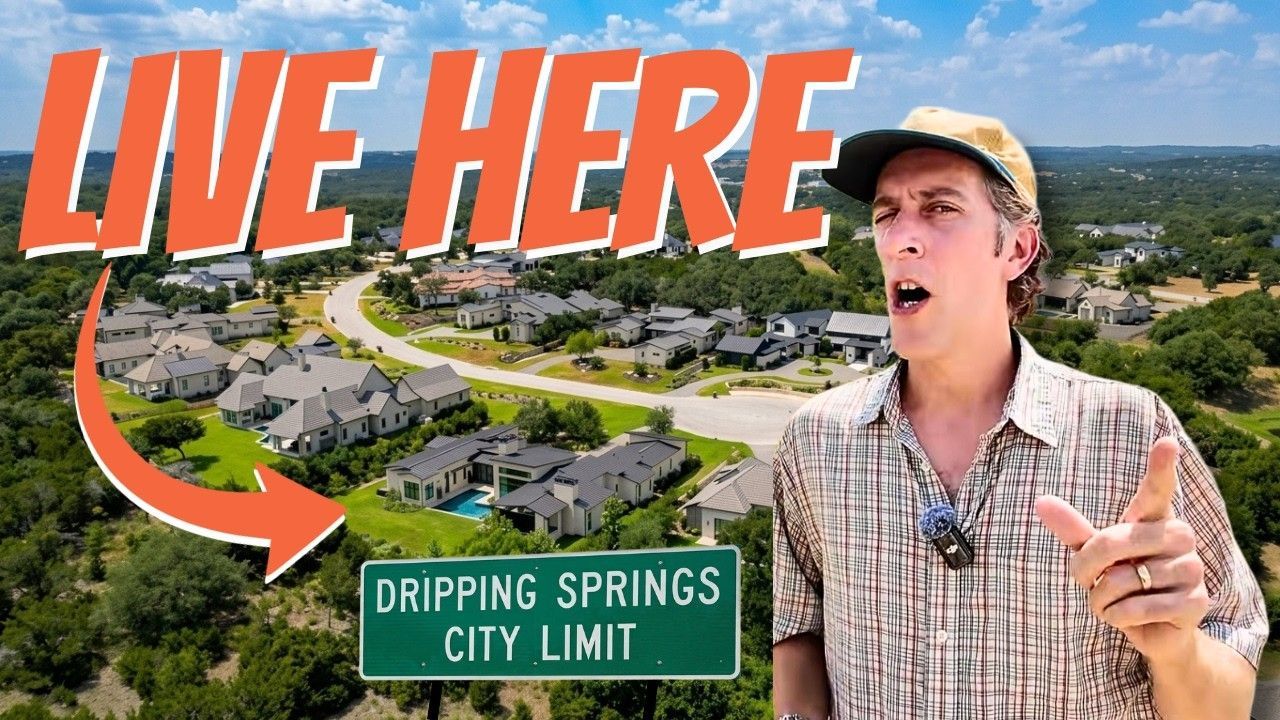
The answer depends entirely on where you're coming from. For people relocating from Seattle, San Francisco, New York City, or Miami, Austin feels like a bargain. The house behind me in this video is a Toll Brothers build in Kyle, 22 miles from downtown Austin. With all the upgrades, it's probably $1.4 to $1.5 million. If you tried to buy that same house 22 miles outside downtown Seattle, you'd be looking at $4 to $6 million. Easily.
I worked with a family from Seattle who were living in a rundown 2-bedroom, 2-bath house in a crappy neighborhood. Their commute was an hour to an hour and a half each way, and the schools were terrible. They moved to Cedar Park , bought a 4-bedroom, 3-bath home that's almost 3,000 square feet for under $700,000, cut their commute to 30 to 35 minutes, and their kids are in local schools. That's a no-brainer.
But if you're moving from Cleveland, Ohio, or Navasota, Texas, where the average home price is around $200,000, no, Austin is not affordable. A typical home in the greater Austin area runs $500,000 to $550,000. That's a massive jump. So affordability is relative. If you're coming from a high-cost market, you'll feel like you're getting a deal. If you're coming from a low-cost market, you're going to feel the sticker shock.
Traffic, Commutes, and the I-35 Problem
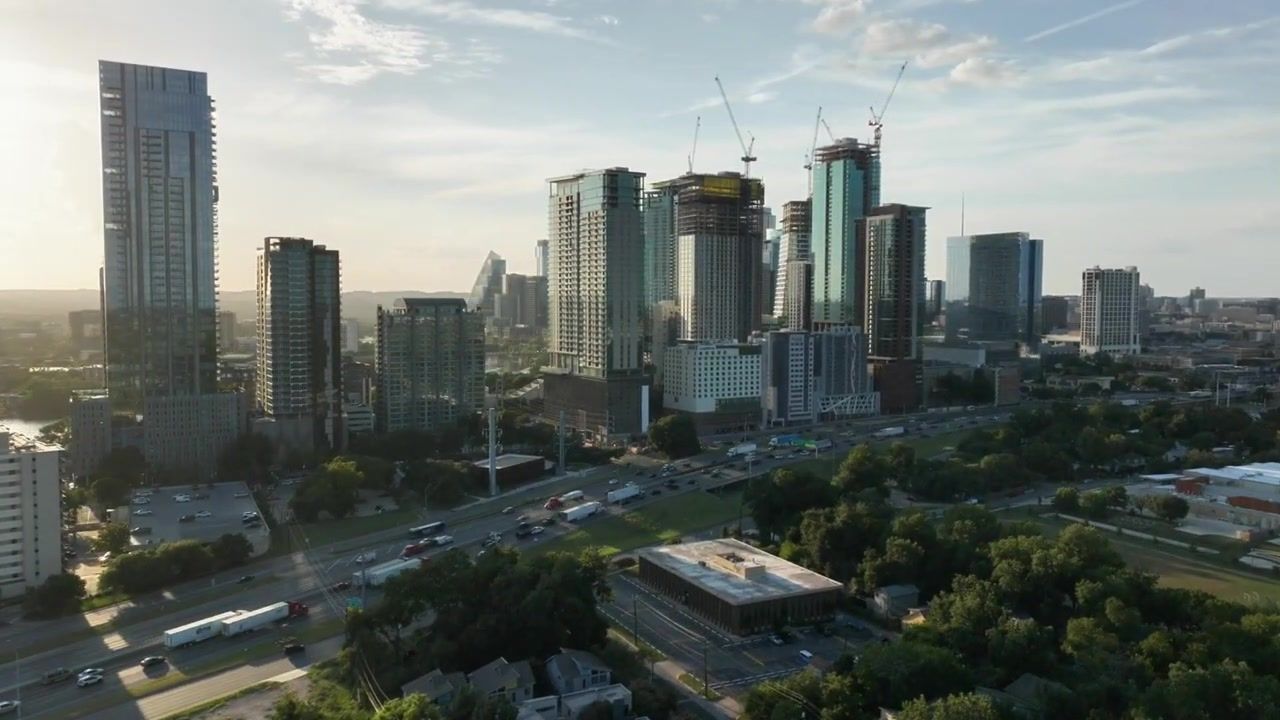
Traffic in Austin is bad. How bad depends on what you're used to. I grew up in Beaumont and Conroe, both in Texas, and in Conroe, if your commute was more than 15 minutes, people thought you were crazy. In Austin, a 15-minute commute is nothing. I know plenty of people who drive 45 minutes to an hour one way every single day.
The road you need to avoid at all costs is I-35 . I always say I-35 was created by the devil himself. It's the main north-south corridor through Austin, and I have spent more time sitting at 0 miles an hour on that road than I'd like to admit. If your job is anywhere near I-35, factor that into where you live. A 22-mile commute can easily turn into 45 minutes to an hour depending on the time of day.
Now, I've had clients from Washington, D.C. laugh out loud when I warned them about a 35- to 40-minute commute. They were both doing 2 hours one way, 2 hours back, every single day. That's 8 hours total just driving to work, not counting taking their daughter to cheerleading or their son to basketball. For them, cutting the commute in half and paying 50% of what they'd pay in D.C. was an absolute no-brainer. So again, it's all relative. But if you're coming from a place where traffic is light, Austin is going to feel congested.
Property Taxes: What You're Really Paying
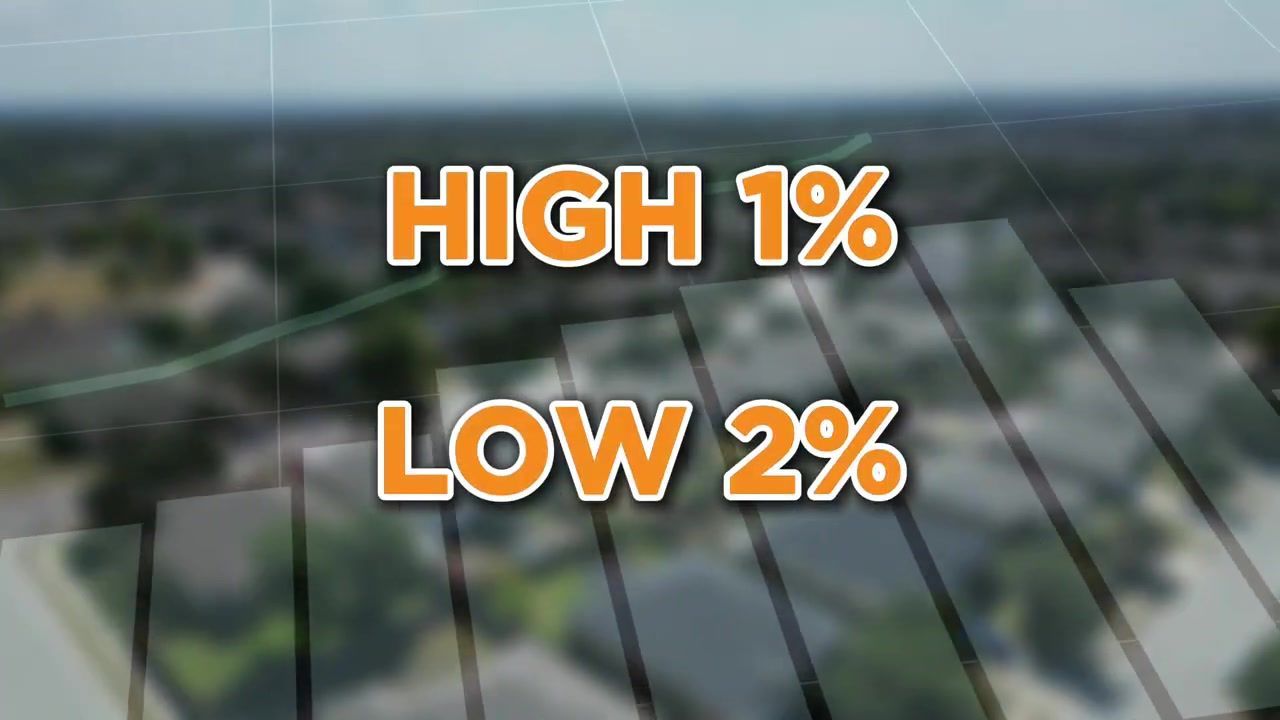
Property taxes in Texas are no joke. If you're in central Austin, you're looking at high 1% to low 2%. If you're in the suburbs, like Kyle or other areas south of Austin, you can hit 2.9% to 3.25%. A 3% tax rate on a $700,000 home is $21,000 a year. That's paying rent to the government just to stay in your own house.
Texas has no state income tax, which offsets some of that cost, but you need to run the numbers with your CPA to see if it makes sense for your situation. For a lot of people relocating from high-income-tax states, the trade-off works. For others, it's a shock. Reach out to us and we can help you crunch those numbers based on where you're thinking about living.
North Austin vs. South Austin: Finding Your Fit
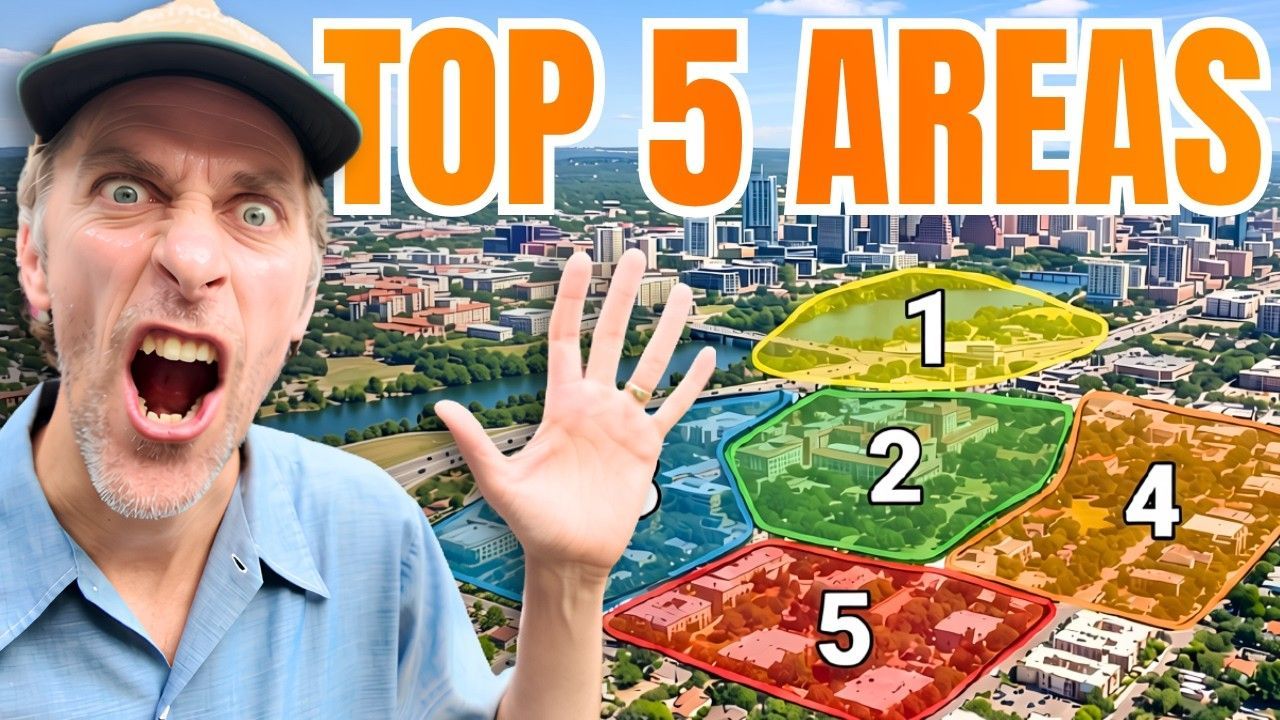
One of the first questions I ask people is: are you a North Austin person or a South Austin person? Historically, North Austin was seen as more white-collar and businessy. That's where the Capitol is, where the University of Texas is, and where a lot of the software companies set up shop. IBM, Dell, and a ton of startups are up north. It's a little more corporate, a little more structured.
South Austin has always been the artsy, eclectic, blue-collar side. It's where you go for live music, hiking, two-stepping, and a more down-to-earth vibe. Even just hearing that description, you might already know which side you lean toward.
But here's the thing: you can find your people anywhere. I grew up playing in punk bands. My wife is an artist who loves literature. We're a super creative family, and we live in North Austin. I have friends who are savvy business owners who live deep in South Austin. So while the stereotypes exist, they're not hard rules. If you work in Round Rock but you love going to concerts and hiking, you're going to have a tough commute. I'd probably tell you to just live close to your office and find the creative scene near you. But if you're remote or your office is flexible, you have more freedom to pick based on lifestyle.
Schools: The Top Districts and What They Cost
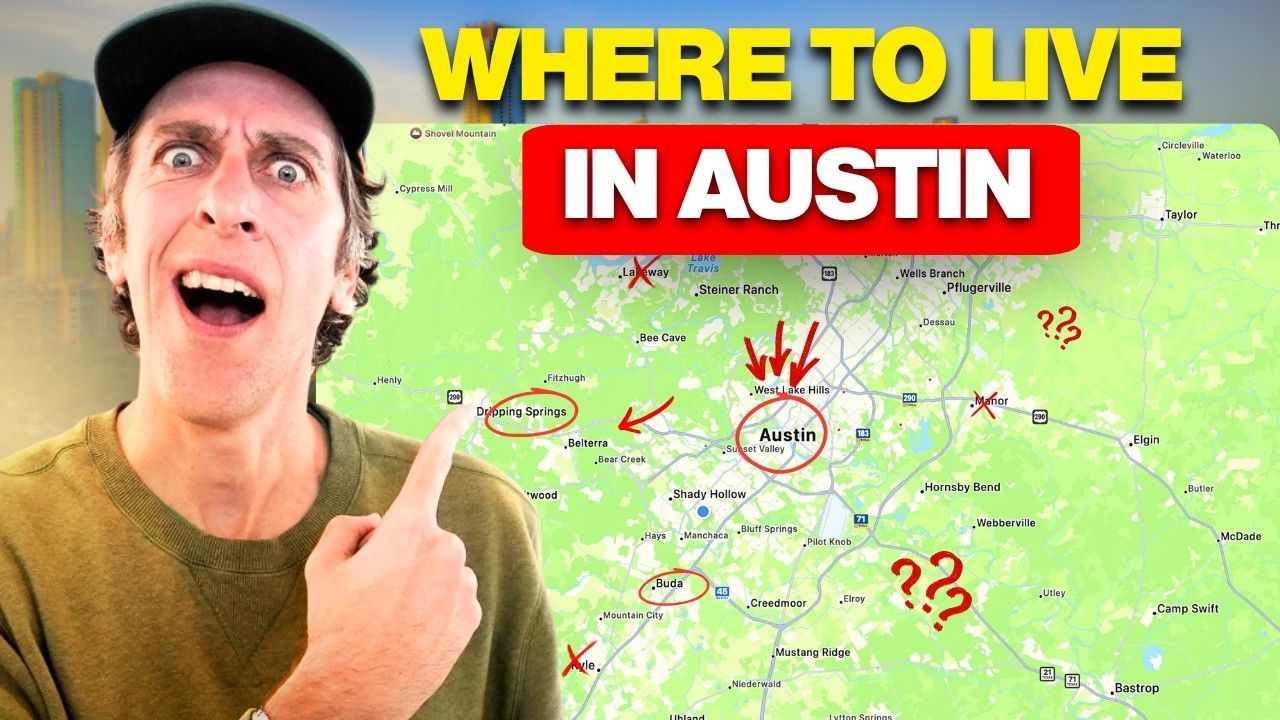
I have three kids. Two are in middle school, one is in high school, and all of them go to Austin ISD schools. Austin ISD doesn't have the highest ratings in the area, but my kids' schools are pretty freaking great. The top five rated school districts in the Austin area are Eanes ISD (number one, average home price around $3 million), Lake Travis ISD (number two, average home price around $1.5 million), Dripping Springs ISD (average home price $800,000 to $850,000), Round Rock ISD (average home price around $550,000), and Leander ISD (average home price around $500,000).
Here's the catch: not every school in those districts is great. Even in Round Rock ISD, some schools are rated poorly and some are rated highly. So you can't just filter by district and call it done. You need to look at the specific school your kid would attend. That's part of what we do when we meet with buyers. We figure out where you can live so your kid actually goes to the best school, not just the best-rated district.
If schools are important to you, tell me your price range and we'll map out which neighborhoods feed into the schools you want. The schools here can be absolutely amazing. Great parental involvement, great teachers, great college acceptance rates, and great sports programs depending on the district. But you have to do the homework.
Cedar Park: Affordable Suburban Living North of Austin
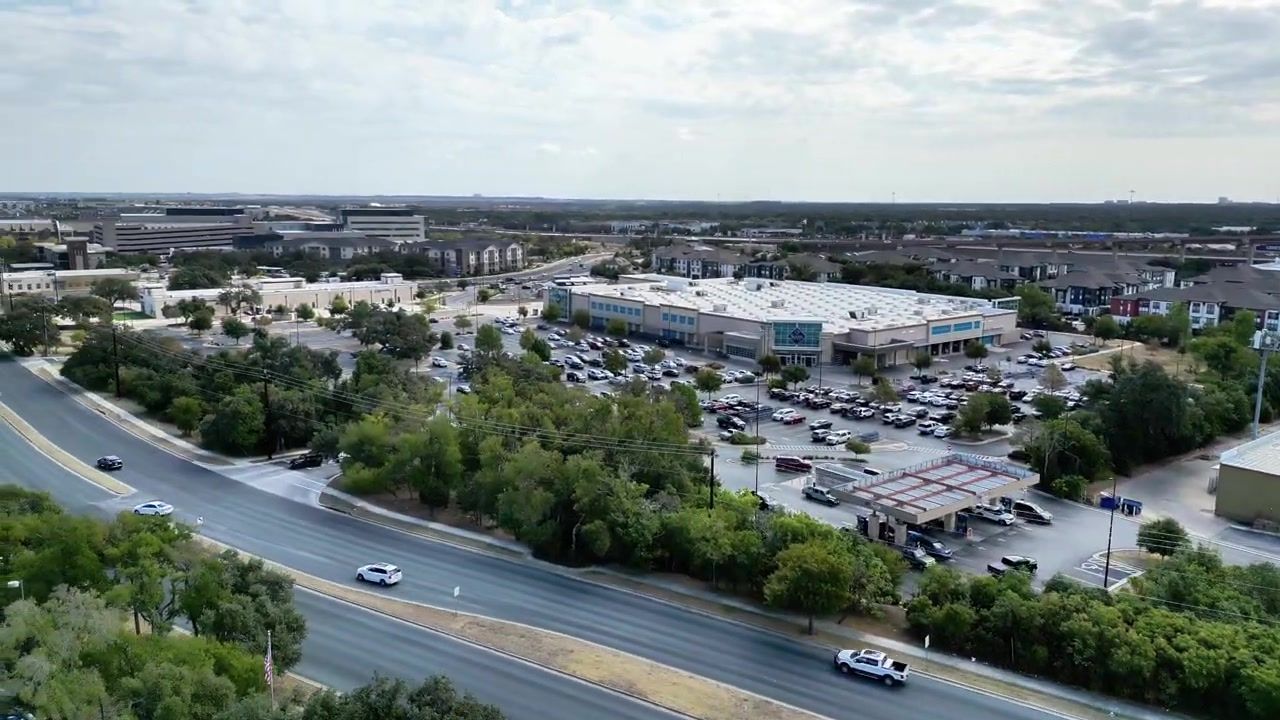
Cedar Park is one of the most popular suburbs for families relocating to Austin, especially from high-cost markets. It's north of Austin, and you can find resale homes around 3,000 square feet for under $700,000. A lot of these are 4-bedroom, 3-bath homes that are about 10 years old. The neighborhoods are safe, many have golf courses, and the schools are great.
The commute to the Domain, which is a major business hub in North Austin, is around 30 to 35 minutes. For people coming from Seattle or the Bay Area, that's nothing. The family I mentioned earlier traded a rundown 2-bed/2-bath house with a 90-minute commute and bad schools for a spacious Cedar Park home with a short commute and local schools. They paid less than $700,000.
Cedar Park is part of Leander ISD , which is one of the top five rated districts in the area. The average home price in Leander ISD is around $500,000, so you're getting a lot of value. If you're relocating from a high-cost market and you want a safe, residential suburb with local schools and a reasonable commute, Cedar Park is a solid choice.
Clara Vista at Water Ridge: Luxury in Kyle with a Tax Trade-Off
Clara Vista at Water Ridge is a Toll Brothers community in Kyle, south of Austin. These are luxury homes with high-end finishes, pools, and outdoor kitchens. With all the upgrades, you're looking at $1.4 to $1.5 million. The homes are beautiful, and if you're coming from Seattle or another expensive market, the price feels reasonable for what you get.
But here's the trade-off: property taxes in Kyle are around 2.9%. On a $1.4 million home, that's over $40,000 a year. That's a big number. Clara Vista is 22 miles from downtown Austin, so if you're commuting into the city, factor in the drive. But if you're remote or your office is south, and you want a luxury suburban home with resort-style amenities, this is an example of what's available in that price range.
The taxes are the thing to watch. A lot of people relocating from California or the Northeast are used to high property taxes, so it's not a shock. But if you're coming from a low-tax state, that 2.9% rate is going to feel steep. Make sure you run the numbers before you commit.
Heat, Humidity, and Swimming Your Way Through Summer
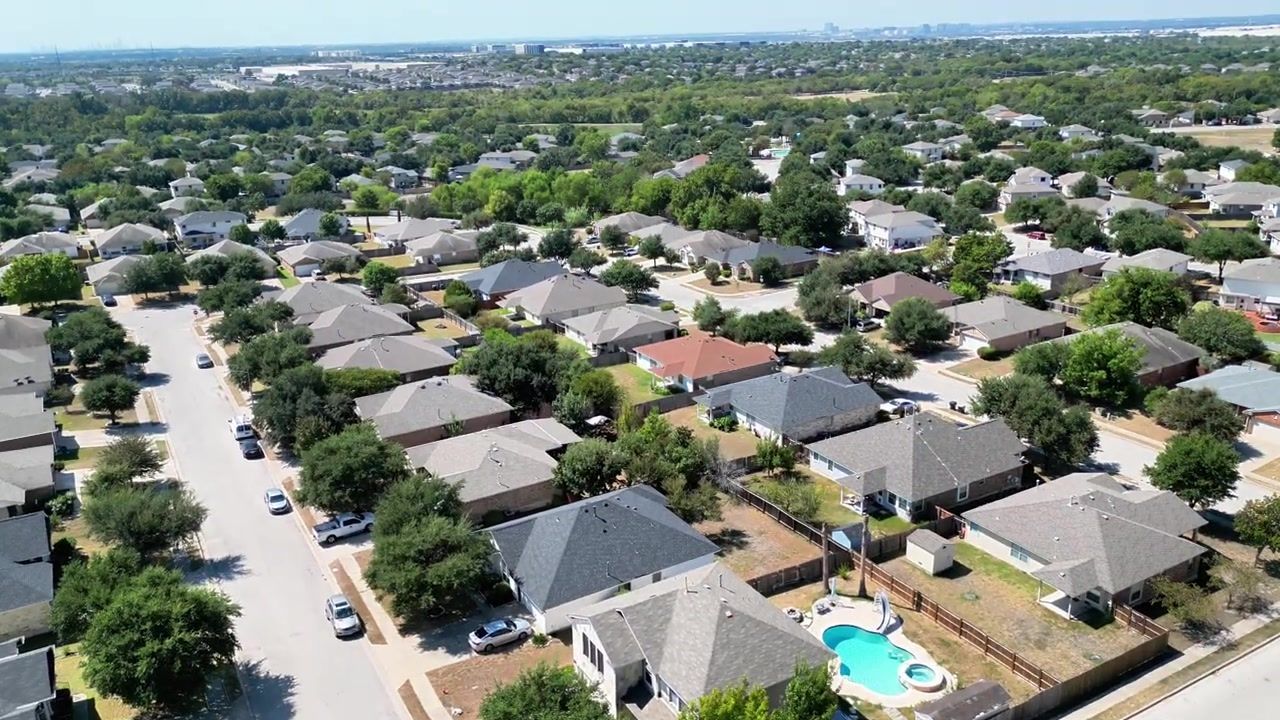
Austin gets hot. We have a good three to four months where it feels like temperatures are over 100 degrees almost daily. That's late May through mid-September. It's not as humid as Houston or the Gulf Coast because we're a bit more elevated, but it's definitely more humid than Phoenix or Salt Lake City.
If you're going to be outside in the summer, you want to be as close to a pool as possible. The good news is Austin has so many places to swim. Creeks, springs, natural bodies of water like Barton Springs and Deep Eddy, lakes, rivers. A lot of neighborhoods have pools, and a lot of people who live in the suburbs have pools in their backyard. If you're going to be a Texan, you develop this sixth sense for where the nearest body of water is when it's summertime.
I'm not going to hide it. The heat can be brutal. I've had people move here and say, "Oh yeah, the heat, whatever, it gets hot in New York." Then they get here and they're like, "Holy crap, Barrett, you didn't tell me it was going to be hellacious." If you're the type of person who wants to bike a couple miles to the grocery store in July, it's not going to happen unless you're willing to give yourself over to the sweat. If you are that type of person, I want to meet you, because I am too.
Keep Austin Weird: What It Means Now
Austin's motto is "Keep Austin Weird." What that primarily refers to is buying local, supporting local businesses, local artists, and local creators. It also refers to the fact that Austin is a relatively liberal city in the middle of a giant Republican conservative state. I don't care about the politics either way, but that's part of the context.
You'll see boomers in the comments on YouTube videos frothing at the mouth about how Austin used to be great in the '80s or the '90s, and now it's ruined. That's mostly just internet stuff. People who are way too online are going to freak out about whatever era of Austin was their youth. My grandma in the late '80s and early '90s was lamenting the golden age of Austin, and for her, that was the 1950s. So by the time the '80s came around, she thought Austin was already ruined.
If you come here and you contribute to the community and you're kind to people, people are going to warmly accept you. Yes, a lot of the struggling artists who used to live in central Austin have been pushed out by rising costs and tech workers. That makes me sad. But the creative counterculture is still very much here. I don't care what anybody says.
Jobs, Tech, and the Broad Austin Economy
The Austin economy is broad-based. Yes, we have tech, but we also have medical infrastructure, higher education, manufacturing, government, entertainment, and hospitality. Austin is not just a tech town. That said, since the mega tech boom during COVID, a lot of people have moved here for tech jobs. The market pulled back a bit, but it's still robust. IBM, Indeed, Tesla, VRBO, CrowdStrike, and hundreds of startups are here.
Based on the people who reach out to us from YouTube, I'd say one in two or two in three relocators work in tech. So if you're in tech, you're in good company. But if you're not, there are plenty of other industries here. The job market is strong across the board.
Winter Storms, Power Outages, and What to Expect
We had a major winter storm in February 2021, right after COVID started. It was 12 degrees at some point, and we lost power for three or four days. That sucked. But that is very, very rare. There have been a couple times since then where we lost power for a few hours because of winter storms, but it's not something you need to stress about.
A lot of people ask if they need a generator. I don't have one. If you want one, sure, but I don't think it's necessary. Winter storms are not a regular thing here.
Safety: Big City Reality, Not a Utopia
Austin is a big city. It's not a utopia. There are areas, like 6th Street or the central east side, where I wouldn't walk alone at night. But the overwhelming majority of Austin and the Austin area is incredibly safe. People relocating here sometimes expect Austin to be this paradise where nothing bad ever happens and it's 65 degrees year-round like it was during ACL Fest that one time they visited in 2010. That's not reality.
Austin is also not like New York City. You're not going to walk down to the cafe or take a subway. The suburbs of Austin are generic American suburbs. They're safe, they're clean, and you get Texan hospitality, which is warm and inviting. I'd take our suburbs over the suburbs of anywhere else in the United States any day. But don't expect walkable urban living unless you're in a very specific part of central Austin.
Allergies: They're Real and They're Terrible
The allergies in Austin are terrible. I'm not going to hide it. People say you live here for five to seven years and your body doesn't react to the allergies in the air. Then one day, you wake up and you think you have strep throat. You go get tested. No strep. You think you have the flu. No flu. You think you have COVID. Nope, you don't have COVID. The doctor is like, "Barrett, I think you have allergies."
Certain seasons, you might have a headache for three days in a row. Or you'll have a scratchy throat and you can't stop sneezing. Cedar, ragweed, pollen. There is so much in the air that is trying to make you feel like crap. It's not all year, but for a few months out of the year, you're going to be miserable. The allergies are real.
Rent First or Buy Right Away?
About a third of the people who reach out to us buy a home without ever renting in Austin. They fly in, we do a buyer tour over a few days, they identify the areas they want to be in, and they make a confident decision. I don't know if I could do that myself, but with a real estate team like mine guiding you through it, it's definitely possible.
Another third move here and get a short-term rental or a monthly Airbnb. They put their stuff in storage, move here, and spend two to three months getting a good lay of the land. Then they strike and purchase a home.
The final third move into a 12-month rental. But usually it still takes two to three months for them to identify exactly where they want to live. Sometimes they find a home they love before the lease is up, and they have a 12-month lease hanging around their neck. We have strategies to mitigate paying double payments, so if that's your situation, reach out and we'll walk you through it.
Food, Culture, and Why Austin Wins
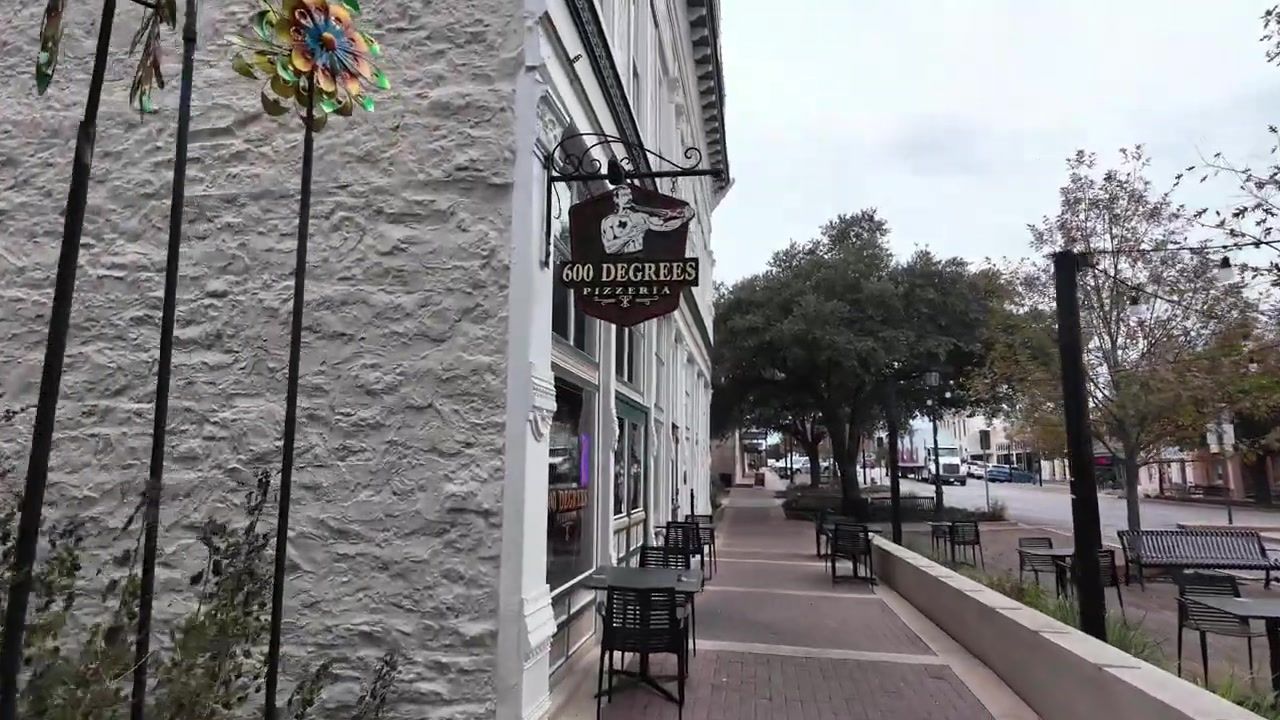
Anyone who tells you Austin doesn't have the best food in the world is lying. I will stand behind this. We have the best Italian food, the best Asian food (Thai, sushi, Korean), the best burgers, the best American fare, the best Mexican food and Tex-Mex. I went to Italy in 2018, and after five days, I was like, "I want Austin food." Even the Italian coffee and cappuccinos, I was like, "We have better coffee in Austin."
If you've had experience with the Austin food scene and it was underwhelming, you did it wrong. Reach out to me and I will point you in the right directions.
Making Friends: Texan Hospitality and Putting Yourself Out There
Austin is an easy place to make friends, but you have to put yourself out there. Texans are friendly, warm, and inviting. We practice Texan hospitality, which I think is even more intense than Southern hospitality. I've had clients move here, and within a month, they have 30 to 35 neighbors at their housewarming party who feel like they've known them for years.
If you love sports, join a club. If you're a cyclist, join a cycling club. If you like soccer, join a soccer club. If you're into board games, there are like 10 card shops to choose from. There are choirs, singing clubs, all sorts of stuff. Making friends here is incredibly easy, but you have to work at it. It's not automatic.
Families with Kids: Yes, Austin Works
Short answer: yes. Austin is one of the best areas in the country for families with kids. There are tons of neighborhoods with local schools that are super safe. If you want to know exactly which areas we recommend, I have 55 other questions for you, and then I can point you to the right area. But in general, yes, the Austin area is excellent for families.
Foundation Issues East of I-35
I-35 was essentially built on a fault line. The land on the east side of I-35 is very clay-based. Think back to elementary school art class when your teacher gave you a hunk of clay. You dip it in water so you can mold it, and when it gets dry, it gets all crackly. That's what happens to the land east of I-35.
Central Texas has extreme seasons of deluge and drought. When we have a drought, the land gets really dry and hard. Then we get weeks and weeks of rain, and the land starts to mold and form a little bit. A lot of people on the east side have foundation issues with their home. If you Google "Austin, Texas home foundation issues," you're going to find horror stories.

Am I saying you should never live east of I-35? No. But that's one reason a lot of the property east of I-35 is significantly cheaper. If all you can afford is a home east of I-35, I'd be willing to explore that with you. But we would want to ensure that the foundation is engineered properly for the soil it's sitting on. A home is just a massive structure on dirt. We want to make sure it's engineered for the dirt it's sitting on.
Day Trips: San Antonio, Houston, and the Gulf
Texas is massive. It takes about 6 hours to get to Andrews in West Texas, and that's not even El Paso. El Paso is probably 9 hours from Austin. But from Austin to San Antonio is about an hour and a half. My wife and I go there on long weekend getaways. It takes about 3 hours to get to the Gulf Coast, and about 2 and a half hours to get to Houston. We do that drive all the time, and it's not bad at all.
Diversity, Inclusion, and the I-35 Divide
On paper, Austin is pretty diverse. However, there's a pretty big dividing line at I-35. West of I-35 feels very white. East of I-35 is where you're going to see a lot more diversity. There really isn't a whole lot of integration, and that breaks my heart a little bit. Coming from Beaumont and the Houston area, Houston is very integrated and very diverse. If you're in central northwest Austin, you'd probably think Austin is the least diverse place you've ever been. But if you went all around the city, you'd see that Austin is pretty diverse.
Being diverse and integrated is a different question than is it inclusive. I do feel like Austin is inclusive. No matter who you are or what your lifestyle is, if you put yourself out there and you put effort into connecting, you will be warmly received here.
Is It Too Late to Move to Austin?
Absolutely not. I'm recording this toward the end of 2024, and I'd say we're in a buyer's market. If you bought from 2020 to early 2023, it sucked. You probably overpaid by at least $100,000. You probably made 13 offers on 13 different homes before you landed something. If you got a home under contract, you probably didn't get any repairs or concessions, and the home probably didn't appraise, so you had to come up with extra cash.
But you got a 2.5% interest rate, so a lot of people were like, "Fine, let's do it."
Now, interest rates are higher, around 6% or 7%. But you get to have your pick of the litter. You can tell us your actual requirements, and we can get it for you at a great price with repairs and concessions. So no, it's not too late. If anything, now is a better time to buy than it was during the COVID frenzy.
If you're ready to start exploring Austin, reach out to us! We'd love to sit down with you, learn what you love and hate in a neighborhood, and help you find the perfect area for your lifestyle and budget. Don't wait for the perfect time to buy. Let's find the right home for you at the right price. Contact us today to start your Austin home search!
FAQ
What's the average home price in the greater Austin area?
The typical home in the greater Austin area is $500,000 to $550,000. That includes the city of Austin and the surrounding suburbs. If you're looking at top-rated school districts like Eanes ISD or Lake Travis ISD, expect to pay significantly more.
How long is the average commute in Austin?
Most people commute 35 to 45 minutes one way. If you're driving on I-35 during rush hour, it can easily stretch to an hour. People relocating from Washington, D.C. or other major metros often find Austin's commute times manageable by comparison.
Do I need to worry about winter storms in Austin?
Not really. We had a major storm in February 2021 that caused power outages for a few days, but that's very rare. You might lose power for a few hours once or twice during a winter storm, but it's not something you need to plan your life around.
Are the allergies in Austin really that bad?
Yes. Cedar, ragweed, and pollen are brutal. A lot of people are symptom-free for the first five to seven years, then it hits hard. You'll wake up thinking you have strep or the flu, get tested, and find out it's just allergies.
Should I rent first or buy right away when I move to Austin?
About a third of our clients buy without renting. Another third do a short-term rental for two to three months to get a feel for the area. The final third sign a 12-month lease but usually identify where they want to buy within two to three months. It depends on your situation and how confident you feel making a decision remotely.
Is Austin a good place to raise a family?
Yes. There are tons of safe neighborhoods with local schools, parks, and residential amenities. The top school districts are in the suburbs, and you can find a range of price points depending on where you're willing to live and commute.

Barrett Raven’s approach blends deep Austin knowledge with a focus on customer service. Whether you're buying, selling, or relocating, Barrett and his team are here to ensure your real estate journey is smooth, informed, and successful.
Recent Posts