Introduction
If you're moving to Austin TX in late 2026, you're arriving at a better time to buy than most people who came here in the last five years. I'm Barrett Raven, and most of my week is spent driving buyers between Leander and Buda. So I'll give you the version of Austin I'd give a friend: what homes actually cost, where the property tax bill lands, which suburbs fit which lifestyles, and the stuff nobody puts in the brochure.
Here's the short version. Prices have come down from the 2022 peak, inventory is healthier, and sellers are negotiating again. Austin is also still hot, still congested, and more expensive to own than people expect once the tax bill shows up. Let's walk through all of it.
Table of Contents
- Is Moving to Austin, TX, Worth It?
- Cost of Living in Austin, TX: What Should You Budget?
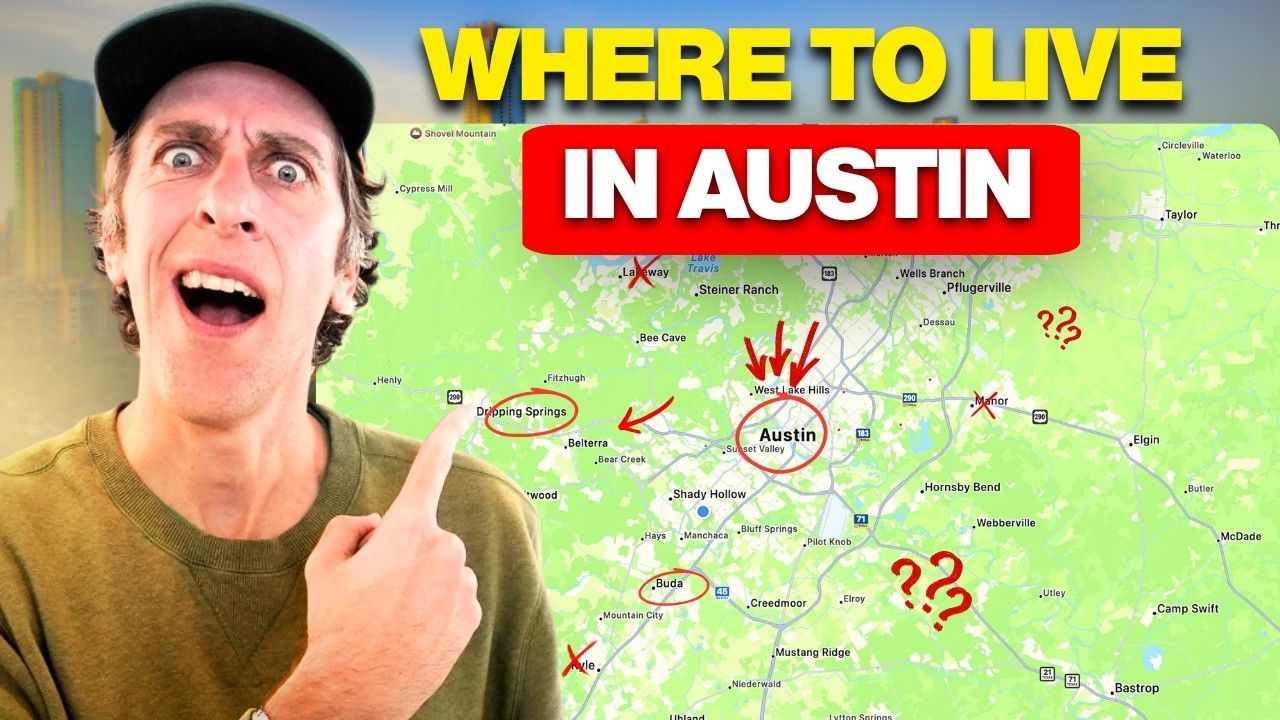
- Best Areas to Live in Austin and Nearby Suburbs
- What to Know Before Relocating to Austin, Texas
- Tips for Planning Your Move to Austin, TX
- Conclusion
- FAQs About Moving to Austin TX
1. Is Moving to Austin, TX, Worth It?

For most of the people I work with, yes, but for different reasons than in 2021.
The job market is still doing the heavy lifting. According to Opportunity Austin, the metro added roughly 27,000 jobs in 2025, about 2% growth and the best rate among the largest U.S. metros. Unemployment has hovered around 4% in 2026, and the metro now counts roughly 1.4 million jobs, up nearly 20,000 from a year earlier.
The employer list is deep. The Austin Business Journal's July 2026 ranking of largest local employers puts H-E-B on top with nearly 28,000 local workers. Tesla, Ascension Texas and St. David's HealthCare follow at roughly 13,000 to 17,000 each, and Amazon and Apple each employ around 10,000 or more. Dell, IBM, Samsung and Oracle round out the names people ask me about. Samsung's roughly $17 billion fab in Taylor is the big one to watch: the company targets initial operations in 2026 and volume production in 2027, and its Texas Comptroller agreement cites close to 2,000 jobs.
One honest note: tech employment here is less of a sure thing than it was. Dell's local headcount is well below what it reported a few years ago, and Dell has required five days in the office since March 2025 for nearby employees. If you're relocating for a specific job, factor in the commute to that campus before you pick a neighborhood.
People keep coming. The Census Bureau's 2025 estimate put the City of Austin just over 1 million residents, crossing the one-million mark for the first time. Opportunity Austin estimates the five-county region at roughly 2.6 million and says it has added around 65,000 residents a year since COVID.
And there's no state income tax. For a household coming from California, New York or Illinois, that alone can be worth thousands a year. Just keep reading before you spend it, because property taxes are where Texas gets its money.
2. Cost of Living in Austin, TX: What Should You Budget?
Home prices
Here's roughly where prices sit in late 2026:
| Area |
Typical home price (late 2026) |
|---|---|
| City of Austin |
Around $560,000 (down roughly 4% from last year) |
| Travis County |
Around $490,000 |
| Austin metro |
Around $410,000 (down roughly 6% from last year) |
| Williamson County |
Around $400,000 |
| Hays County |
Around $350,000 |
| Bastrop County |
Around $340,000 |
Metro inventory sat around five months, and homes closed at roughly 93% of list price. September numbers ticked up slightly, so prices look like they're flattening rather than falling off a cliff. Translation: you can negotiate on price, repairs and closing costs in a way that wasn't possible in 2021 or 2022.
Rent
Rent numbers vary widely by source. Apartment trackers run lower: Apartment List and RentCafe put typical apartment rent between roughly $1,300 and $1,650. Budget around $1,300 to $1,700 for a typical apartment and $2,000 to $2,300 for a single-family rental.
Property taxes and the homestead exemption
This is the line item that surprises transplants. Inside Austin city limits and Austin ISD, the adopted 2026 rates add up to roughly 2.1% of your home's value. Austin ISD is the biggest piece at a little over 0.9%, followed by the City of Austin, Travis County, Central Health and Austin Community College.
The good news is the homestead exemption. Texas voters approved Proposition 13 on November 4, 2025, raising the school district homestead exemption from $100,000 to $140,000, with another $60,000 for owners 65 and older or disabled. The City of Austin also takes 20% off a homestead's value, and Texas caps annual increases in a homestead's taxable value at 10%.
My rough math on a $500,000 home in Austin ISD: somewhere around $10,500 a year before exemptions, and roughly $8,000 to $9,000 once your homestead is filed. File as soon as you close. The exemption doesn't transfer from the seller.
MUD and PID taxes in the suburbs
Many newer master-planned communities sit in a Municipal Utility District (MUD) or Public Improvement District (PID), which paid for the roads, water and drainage up front. Typical MUD rates run $0.25 to $1.50 per $100 of assessed value, and Travis County alone has more than 50 MUDs. That can move a suburban tax rate from about 2.0% to 2.5% or more. Always ask for the MUD/PID disclosure and a second-year tax estimate before you sign on new construction.
Utilities
The City of Austin owns Austin Energy and Austin Water, so you can't shop for a provider inside the city. For FY2026-27, Council approved an Austin Energy increase of about 3%, or a few dollars a month for the average household. Summer is where bills spike, since tiered pricing charges more as your A/C pushes usage up. Basic utilities for an apartment run roughly $200 to $250 a month; a larger single-family home running summer A/C will cost noticeably more.
How Austin compares overall
Cost-of-living indexes disagree here too. Some data puts Austin a few points below the national average, while other 2026 estimates put it around 5% above. The pattern they all agree on: groceries, gas and everyday costs run near or below average, while housing pushes Austin up.
3. Best Areas to Live in Austin and Nearby Suburbs
South Austin
South Congress, Zilker, Bouldin and the neighborhoods off South Lamar are the "Austin" people picture: live music, food trucks, Barton Springs. Expect older homes, smaller lots and city-level prices. Farther south, around Slaughter Lane, you get more house for the money.
East Austin
East Austin has changed more than any part of town in the last decade. You'll find new modern infill next to original bungalows, plus great restaurants and quick access to downtown. Check each street carefully, because character and flood risk vary block to block.
Mueller
Built on the old airport site, Mueller is a planned neighborhood with parks, a lake, walkable retail and a mix of single-family homes, row homes and condos. It's central, it's newer, and it carries an HOA. Great for buyers who want urban convenience without an old-house maintenance list.
Circle C
Circle C in Southwest Austin is a family favorite, with neighborhood pools, greenbelts and access to the Veloway and the Lady Bird Johnson Wildflower Center. It's inside Austin ISD, close to the Hill Country, and a reasonable drive to downtown via MoPac.
Round Rock
Home to Dell's headquarters and served mostly by Round Rock ISD, Round Rock is my go-to for value. Typical prices sit in the mid-to-high $300,000s, roughly 20% below the peak.
Cedar Park
Cedar Park offers established neighborhoods, good shopping and Leander ISD schools in much of the city. Typical prices run in the high $400,000s. Commutes to the Apple campus and the Domain are manageable via 183A.
Leander
Leander is newer and growing fast, with lots of new construction, builder incentives and a MetroRail Red Line station. Typical prices land around $400,000. The catch is MUD taxes in many newer subdivisions, so run the full tax math.
Pflugerville
Pflugerville often gives you the most house per dollar near North Austin. Typical prices land around $380,000, down from roughly $400,000 a year earlier. You also get good access to SH 130 and Samsung's Austin campus.
Georgetown
Georgetown has the prettiest town square in Central Texas and a strong retiree community, including Sun City. Expect prices in the $390,000 to $450,000 range depending on the source and month. It's the right call if you work north or toward Taylor.
Lakeway and the Lake Travis area
Lakeway, Bee Cave and Steiner Ranch give you Hill Country views, lake access and Lake Travis ISD. Lakeway prices average roughly $750,000, nearly double the metro median, and commutes into town on RM 620 and Highway 71 take patience.
Dripping Springs
Dripping Springs is for buyers who want acreage, wineries and a small-town feel within reach of Southwest Austin. Typical prices run in the high $400,000s, and homes often take around three months to sell. Many newer communities carry MUD or PID taxes, and some properties use septic or well systems, so inspections matter.
Buda and Kyle
Buda and Kyle along I-35 in Hays County are where many first-time buyers land. Hays County prices typically land in the mid-$300,000s, and Buda is sitting roughly a quarter below its peak price. The trade-off is the I-35 commute north.
4. What to Know Before Relocating to Austin, Texas
The heat is real. Austin averages roughly 30 days a year at 100 degrees or higher, and the record is about 90 days, set in 2011. This year brought roughly 50 triple-digit days, one of the hotter summers on record. Look at shade trees, west-facing windows and the age of the A/C system when you tour.
Cedar fever is a thing. Mountain cedar (Ashe juniper) pollen hits from December through February, peaking in January. Plenty of people who never had allergies get them here. Give yourself a winter before deciding you're immune.
Traffic, and I-35. INRIX ranks Austin among the 25 most congested U.S. cities, with drivers losing around 40 hours a year to traffic. TxDOT's roughly $4.5 billion I-35 Capital Express Central project through downtown runs in phases from roughly 2027 to 2033, so expect detours for years. Commute direction matters more than distance.
Flood zones changed. NOAA's Atlas 14 rainfall study showed Central Texas storms are bigger than the old maps assumed. The City of Austin's analysis showed the number of buildings in the 100-year floodplain jumping from roughly 4,000 to more than 7,000, and the city now regulates development using the FEMA 500-year floodplain until new maps are finished. Check every address on the city's FloodPro tool and FEMA's map, and get an insurance quote before your option period ends.
HOAs are common. Most suburban neighborhoods have one. Read the dues, the rules on fences and short-term rentals, and any pending special assessments.
School districts. Here are the Texas Education Agency's preliminary 2026 ratings, released in August 2026:
| School district |
2026 rating (preliminary) |
|---|---|
| Eanes ISD |
A |
| Lake Travis ISD |
A |
| Round Rock ISD |
B (high B) |
| Leander ISD |
B (high B) |
| Austin ISD |
B |
| Pflugerville ISD |
B |
| Georgetown ISD |
B |
Look at individual campuses too, because they vary a lot within each district.
5. Tips for Planning Your Move to Austin, TX
- Pick your timing. Spring brings the most listings; late fall and winter usually bring more negotiating room. If you can, avoid moving in August.
- Get pre-approved with a Texas lender. Ask them to escrow taxes based on the full rate, not a new-construction bill based on land value only, so you don't get surprised in year two.
- Tour remotely, then visit in person. I do live video tours and drive the commute at rush hour for clients, but come see your top two or three areas before you write an offer.
- Visit in different seasons. A neighborhood in April feels different than in August.
- Consider renting first. If you're torn between areas, a 6- to 12-month lease is cheap insurance. Lease inventory is tight right now, with active metro lease listings down by more than a quarter from last year, so start early.
- Choose a local agent who knows the tax maps. MUDs, floodplains and school boundaries can change from one side of the street to the other.
Conclusion
Moving to Austin TX still makes sense for many buyers in 2026: prices have reset, sellers are flexible, and the job market is holding up. Living in Austin comes with real trade-offs, though, from property taxes to heat to I-35. The buyers who do best come in with a budget that includes the tax bill and a clear idea of which commute they can live with.
If you're relocating to Austin and want a straight answer on where your budget goes furthest, call or text me at 512-855-2713 or email barrett@ravengrouptx.com. I'll put together a short list of neighborhoods and Austin TX homes that fit how you actually want to live.
FAQs About Moving to Austin TX
Is Austin a buyer's market right now?
By Austin standards, yes. The metro median is sitting around $410,000, down roughly 6% from a year earlier. There's about five months of inventory, and homes are closing at roughly 93% of list price. Buyers can negotiate on price, repairs and closing costs again.
Does Texas have a state income tax?
No. Texas has no state income tax, which can save households moving from states like California or New York thousands of dollars a year. The trade-off is higher property taxes, so build those into your budget before you compare costs.
How much are property taxes on a $500,000 home in Austin?
Inside Austin city limits and Austin ISD, the combined 2026 rate is roughly 2.1% of your home's value. That works out to somewhere around $10,500 a year before exemptions. After you file your homestead exemption, it drops to roughly $8,000 to $9,000. Your exact bill depends on the address and which exemptions apply.
What is the homestead exemption, and when should I file?
The homestead exemption lowers the taxable value of your primary residence. Since Texas voters approved Proposition 13 in November 2025, it takes $140,000 off your home's value for school taxes. The City of Austin also takes off 20%. File right after you close, because the seller's exemption doesn't transfer to you.
Do all Austin suburbs have MUD taxes?
No. MUD and PID taxes depend on the subdivision, not the city. They're most common in newer master-planned communities in places like Leander, Dripping Springs and parts of Travis County. Older, established neighborhoods usually don't have them. Always ask for the MUD/PID disclosure before you make an offer.
Should I rent or buy when moving to Austin?
If you already know which part of town fits your job and lifestyle, buying now gives you more negotiating power than you'd have had in years. If you're torn between areas, a 6- to 12-month lease is a smart way to test the commute first. Rental inventory is tight right now, so start your search early.
Which school districts near Austin have the highest ratings?
In the Texas Education Agency's preliminary 2026 ratings, Eanes ISD and Lake Travis ISD earned A's. Round Rock ISD and Leander ISD earned high B's. Ratings vary a lot from campus to campus, so check the specific schools assigned to any home you're considering.
How hot does Austin get in the summer?
Austin averages roughly 30 days a year at 100 degrees or higher. In 2026, the city logged roughly 50 triple-digit days. When you tour homes, check the age of the A/C system, look for shade trees and pay attention to west-facing windows.
What is cedar fever?
Cedar fever is an allergic reaction to mountain cedar (Ashe juniper) pollen. It hits from December through February and peaks in January. Many newcomers who never had allergies before get symptoms here, so give yourself one full winter before deciding whether it affects you.
What's the best time of year to move to Austin?
Spring has the most homes for sale. Late fall and winter usually give buyers more negotiating room. If you can, avoid moving in August, when the heat makes moving day rough.