If you are moving to Austin, TX, the first thing we need is a real lay of the land. Austin is one of those cities that looks simple on a map until you actually try to figure out where to live, how to commute, and which suburb fits your lifestyle. Then all of a sudden every road changes names, every suburb sounds close, and nothing is quite as straightforward as it seemed.
So before we talk neighborhoods, we need to talk geography. Once we understand the major roads, the north versus south divide, and how the suburbs spread out from the city, moving to Austin, TX gets a whole lot easier.
This guide covers the roads you need to know, the best suburbs to consider, the tradeoffs in each area, and a quick look at some of the most popular neighborhoods inside Austin itself.
Table of Contents
- Why the Austin, TX Map Matters Before You Move
- Austin, TX Major Roads and Highways Explained
- North Austin vs. South Austin
- Best North Austin Suburbs
- Best West and Southwest Austin Suburbs
- Best South Austin Suburbs
- Best East Austin Suburbs
- Best Neighborhoods in Austin, TX
- Final Tips for Moving to Austin, TX
- FAQs About Moving to Austin, TX
Why the Austin, TX Map Matters Before You Move
Austin sits right in the middle of Texas, which is why people call it Central Texas. Head north and eventually you are on your way to Dallas. Go east and you are heading toward Houston. Go south and you will run into San Antonio. Go west and the city gives way to Hill Country, which is about as pretty as Central Texas gets.
That sounds simple enough, but here is the catch. When people are moving to Austin, TX, they often assume a suburb that looks close on the map will feel close in real life. That is not always true. Commute times can be wildly different depending on which side of a suburb you live on and which road you have to rely on.
In Austin, the road itself can matter almost as much as the neighborhood.
View Homes For Sale in Austin, TX
Austin, TX Major Roads and Highways Explained
If we are serious about moving to Austin, TX, these are the roads we need to understand first.
I 35
I 35 runs north to south through the middle of Austin, and it is infamous for traffic. Not bad traffic by local standards. Truly frustrating traffic. Morning, afternoon, evening, random Tuesday, it does not matter. If we can avoid relying on I 35 every day, life usually gets better.
Mopac or Loop 1
Mopac also runs north to south and is the route many people prefer over I 35. It is one of the most important roads in town if we want easier movement through central and western parts of the metro. Plenty of people specifically want to live close to Mopac for that reason.
71, Ben White, and 290
This is where Austin starts acting like Austin. One east west route changes names as it crosses town. To the east, it is 71. In central south Austin, it becomes Ben White Boulevard. West of Mopac, it becomes 290. Then in Oak Hill, at what locals call the Y, it splits again.
If we do not understand that one road can carry several names, getting around can feel way more confusing than it needs to.
290 and 2222
Another piece of the puzzle is 290 coming in from the east. Once it hits I 35, it effectively becomes 2222 through central north Austin before heading west into some of the prettiest parts of the area.
183
183 cuts through the north side, runs through places like Leander and Cedar Park, and eventually heads down through the east side. It is a major artery for northern suburbs.
360
Loop 360 helps us get around west Austin and can be a nice workaround when central routes are clogged. It is also one of the more scenic drives in the metro.
130 and 45
These toll roads matter if we are looking at outer suburbs. 130 is a major north south bypass east of town and can save a lot of time. 45 helps with east west movement, especially in the north and now farther south as well.
The river and lakes
The Colorado River flows through the area, but depending on where we are, it may also be called Lake Austin, Town Lake, or Lady Bird Lake. Same basic water system, different local names. If we are moving to Austin, TX, it helps to know that locals still often say Town Lake.
North Austin vs. South Austin
Locally, the river acts like a dividing line. North of it is North Austin. South of it is South Austin. That split is not just geographic. It is cultural too.
North Austin tends to feel more tech driven, business oriented, and a little more polished. South Austin tends to lean more artsy, quirky, creative, and a bit more blue collar in places. That is a broad generalization, but it is useful.
If we are moving to Austin, TX, this is one of the first identity questions worth asking ourselves. Do we want more of the polished north side feel, or more of the laid back weird south side energy?
Best North Austin Suburbs
Liberty Hill
Liberty Hill is for people who want a quieter family environment, strong schools, and who do not need to be close to central Austin. The downside is obvious. It is far. A downtown commute can easily be 45 to 60 minutes one way.
There also is not a ton of shopping or entertainment compared to closer in suburbs. Expect newer neighborhoods and a slower pace. Typical home pricing mentioned here lands around $400,000 to $600,000.
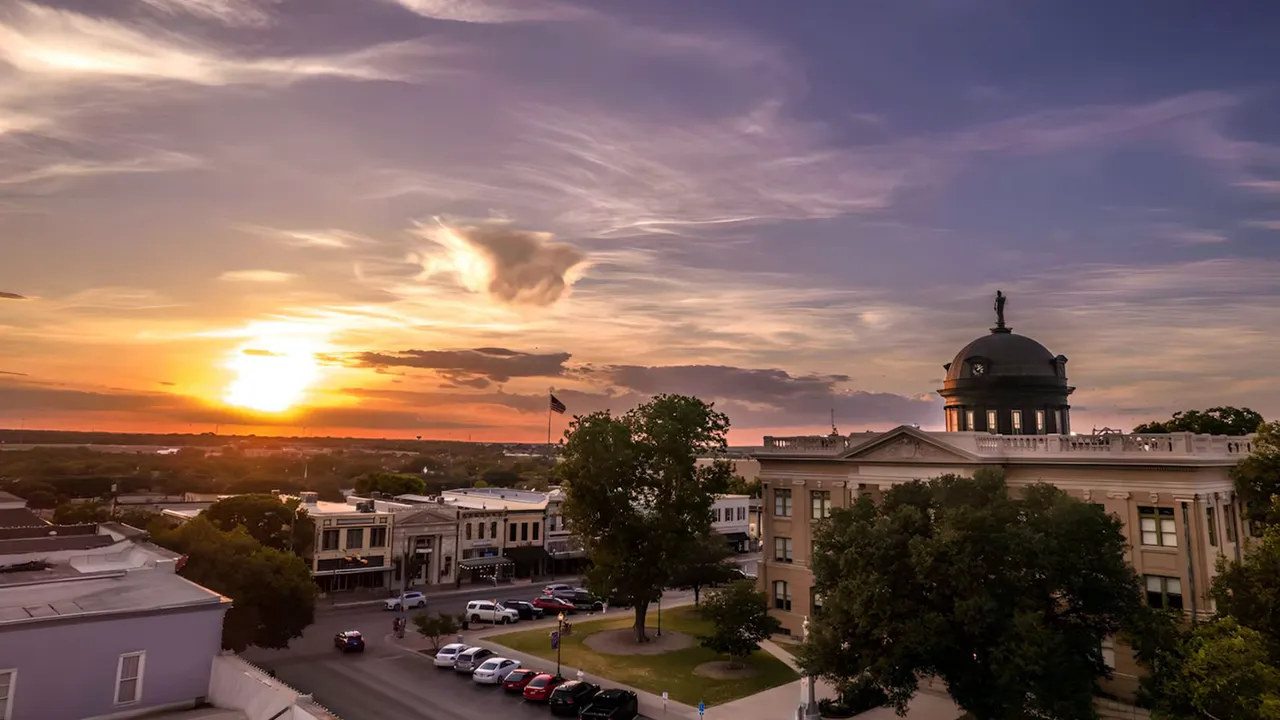
Georgetown
Georgetown has grown like crazy, and for good reason. It has one of those classic Texas downtowns that people instantly fall for. Historic charm, local shops, live music, breweries, restaurants, and a more relaxed family pace all make it easy to love.
The tradeoff is distance. If we need Austin daily, the commute can get old fast. But if we work remotely, work north of town, or want a lifestyle that feels a little easier to breathe in, Georgetown makes a lot of sense.
Leander
Leander became famous for explosive growth, and families love it for highly rated schools and newer homes. If our budget is a little tighter and we still want a solid sized single family house, Leander stays attractive. The range discussed was about $350,000 to $450,000.
The downside is that fast growth comes with construction, expanding infrastructure, and a lot of new development energy. Some people love that. Some people get tired of it.
Cedar Park
Cedar Park is practical and popular. It is close to Austin, has a lot of parks and trails, and gives us a suburban lifestyle without feeling too far away. One challenge is that it does not have a strong central identity. It feels more spread out than storybook.
It is also less affordable than some farther out options. The pricing range mentioned was roughly $450,000 to $650,000.
Round Rock
Round Rock is one of the best known northern suburbs and a favorite for tech households. Strong schools, good value, and a real suburban infrastructure make it an easy recommendation.
But there is one giant warning sign. I 35. Depending on where we live in Round Rock, the commute difference can be dramatic. A house that looks great on paper can add major stress if it forces us onto the wrong stretch of freeway every day.
Typical pricing here was around $350,000 to $450,000.
Hutto and Taylor
If affordability matters more than being close in, Hutto and Taylor deserve a look. Hutto came in around $325,000 to $400,000, while Taylor was noted around $300,000 to $350,000. Taylor also gets points for a cute historic downtown feel.
Pflugerville
Pflugerville sits close enough to downtown that commuting can be manageable, especially if we use 130 strategically. It has improved a lot in recent years with more activity in town, plus a price point around $450,000 to $550,000.
The big caution here is schools. They vary a lot. Some are solid, some average, some not where many families want them to be. This is one of those places where the exact pocket matters.
Best West and Southwest Austin Suburbs
Lakeway
Lakeway is gorgeous. Great views, lake access, strong schools, more space, and a more conservative suburban feel than the city itself. It is the kind of place that appeals to families and professionals who want breathing room and who do not mind paying for it.
The problem is access. There is basically one main way in and out, and when traffic stalls on 620, it can be maddening. Pricing was pegged around $700,000 to $1 million.

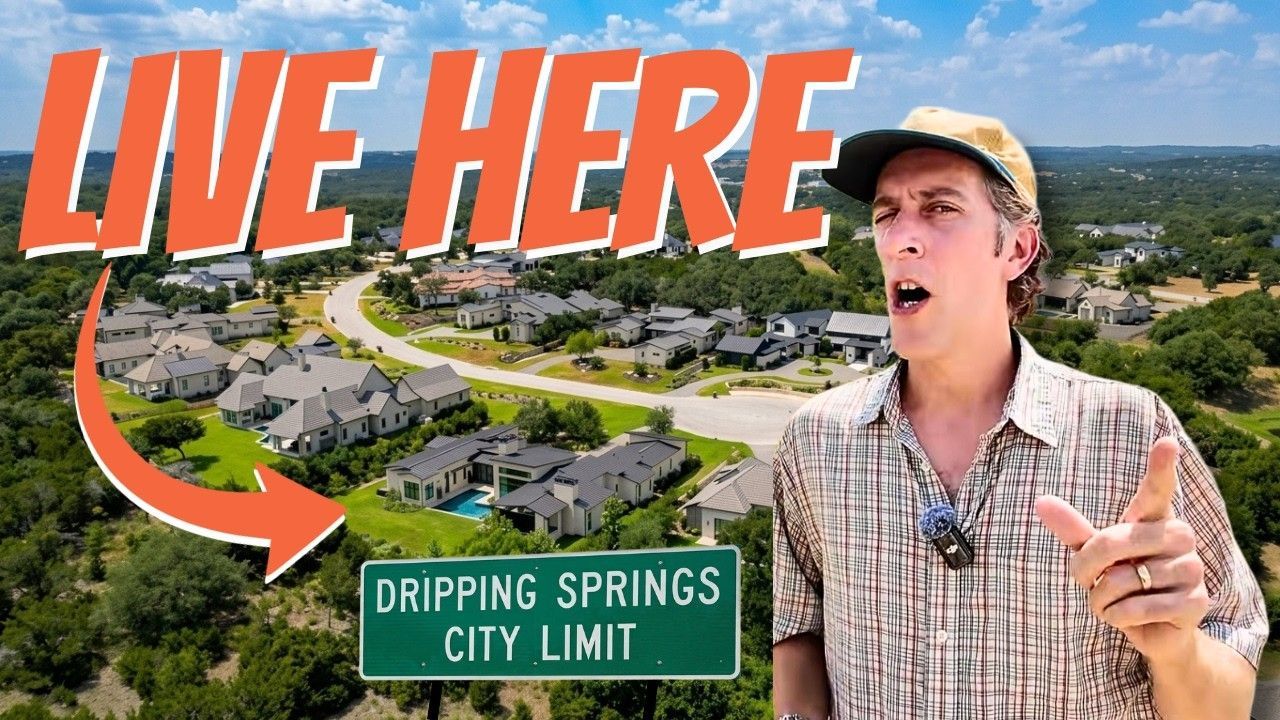
Dripping Springs
Dripping Springs is ideal if we want larger lots, more rural character, and a family friendly environment west of town. It has become extremely popular over the past two decades.
The downside is 290 and the Y at Oak Hill. Those routes can be brutally frustrating during busy times. Still, if we value land and a less urban feel, Dripping Springs stays high on the list. Typical pricing landed around $500,000 to $800,000.
Wimberley and Driftwood
These are not the first places most people think of when moving to Austin, TX, but they absolutely have their audience. Wimberley has serious river town charm and a vacation feel. Driftwood is quieter and more spread out, for people who want land and peace.
They were framed more as lifestyle plays than default suburban choices, with rough pricing around $800,000 to $1 million.
Best South Austin Suburbs
Buda
First things first, it is pronounced Byoo duh, not like the meditation guy. Buda is one of the first suburbs south of Austin and has a lot going for it. Cute downtown, solid local vibe, and a more blue collar, grounded feel than many northern suburbs.
The challenge is traffic around I 35 and the east west split through town. Pricing was estimated around $350,000 to $400,000.
Kyle
Kyle shares a lot of Buda's vibe but has become even more attractive to many buyers because of newer homes and strong community identity. It has a family friendly feel, lots of growth, and yes, plenty of ongoing development.
Pricing was estimated around $350,000 to $450,000.
San Marcos
San Marcos was mentioned more as a fun place to visit than a top recommendation for relocation. It has Texas State University and easy access to river floating, which gives it a lively college town energy.
Del Valle
If affordability is near the top of the list, Del Valle is worth knowing. Newer homes around $300,000 to $400,000, proximity to the airport, and convenient access to 130 make it practical.
But it does not really have a strong town center feel, and despite looking close to Austin on a map, getting into the city is not always as easy as it seems.
Best East Austin Suburbs
Bastrop
Bastrop is a favorite for people who want to feel a little removed from Austin while still keeping the city within reach. It has charm, pretty scenery, pine trees, and a genuinely likable downtown. The route in on 71 is usually more manageable than some other suburban commutes.
Pricing was described as about $400,000 to $500,000 minimum, with more if we want extra land.
Elgin
Elgin is mostly about affordability. It has gained more shopping and practical amenities, but it still moves at a slower pace. It is a fit for people who want something more affordable than Bastrop and who do not need a highly urban lifestyle.
Manor
Manor sits east of Austin and can offer good value, usually around $350,000 to $500,000 for a nice single family home. The main caution here is property taxes, which were highlighted as pretty steep. Commute opinions vary, but the financial side is something we would want to study carefully.
Best Neighborhoods in Austin, TX
If we are not looking for the suburbs and want to be in the city itself, these are some of the standout choices.
Zilker
Zilker is classic South Austin. Barton Springs, Zilker Park, the greenbelt, and easy access to big city events all make this one of the most desirable places in town for active people who want to be in the middle of it. Pricing was noted around $900,000 to $1.5 million.
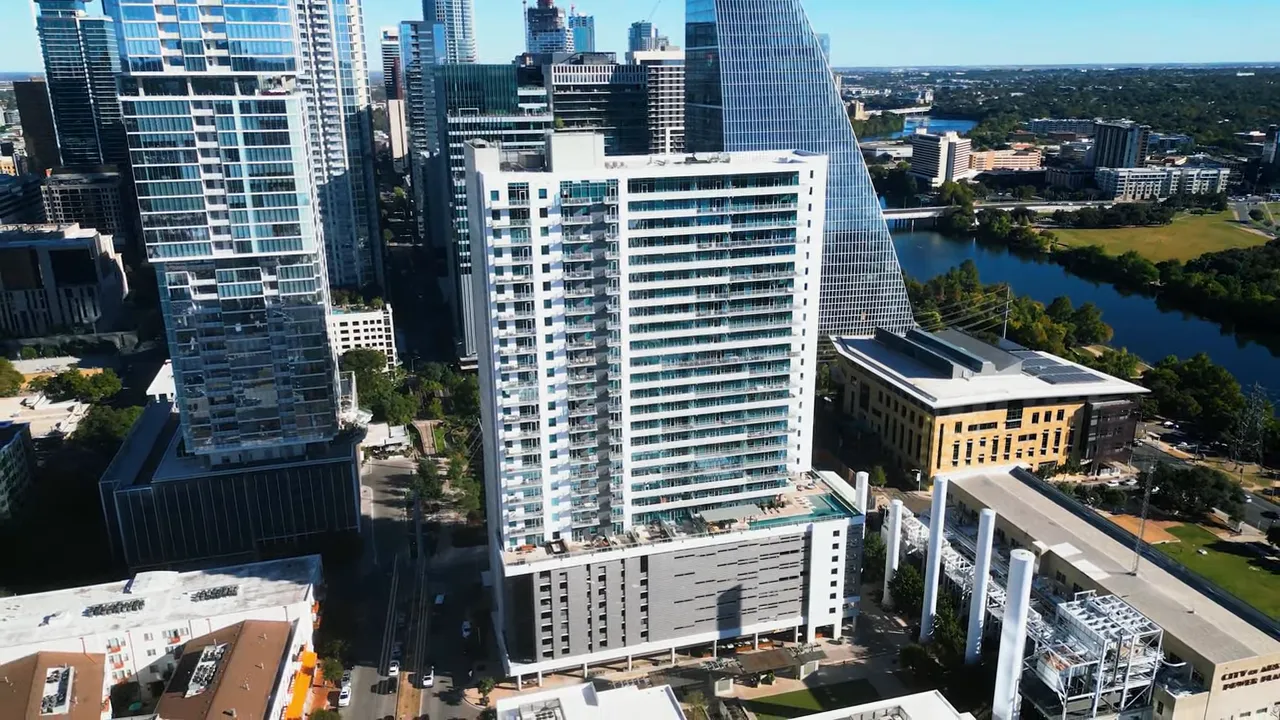
Downtown Austin
Downtown is for people who want walkability and do not care much about yard space. Condos can range widely, from around $800,000 into the multimillion dollar range depending on building and unit.
Tarrytown
Tarrytown is all about charm, larger lots, attractive homes, and a tucked away central location. It appeals to buyers who want beautiful homes, mature landscaping, and a more established luxury neighborhood feel.
West Lake Hills
West Lake Hills is one of the most expensive and most sought after areas in the region. Big homes, big views, highly regarded schools, and very limited inventory keep demand high. Entry level here starts around $1.5 million, but many homes push well into the $3 million to $5 million range and beyond.
Mueller
Mueller is a master planned community in the heart of Austin. Think dense homes, sidewalks, parks, pools, walkability, and a wide mix of residents. It is a strong fit for people who want convenience and community in one package.
Hyde Park
Hyde Park has old bungalows, walkable streets, coffee shops, and that classic central neighborhood feel. It brings a little Portland or Seattle energy into Austin with older homes and a strong sense of place.
For Mueller or Hyde Park, the pricing range discussed was around $800,000 to $1.25 million.
Final Tips for Moving to Austin, TX
The biggest mistake people make when moving to Austin, TX is choosing by map distance alone. The second biggest mistake is choosing by home price alone. In this metro, roads, commute patterns, school pockets, and neighborhood identity all matter a lot.
If we want the short version, here it is:
- Want family friendly value and schools? Start with Round Rock, Leander, Georgetown, and parts of Cedar Park.
- Want land and more breathing room? Look at Dripping Springs, Lakeway, Bastrop, Driftwood, and Liberty Hill.
- Want affordability? Consider Del Valle, Hutto, Taylor, Elgin, Manor, Buda, and Kyle.
- Want to be in the middle of Austin life? Focus on Zilker, Hyde Park, Mueller, downtown, Tarrytown, and West Lake Hills.
There is no perfect area. Every part of Austin comes with tradeoffs. But if we are honest about budget, commute tolerance, lifestyle, and the kind of energy we want around us, moving to Austin, TX gets a lot less overwhelming.
Thinking about moving to Austin, TX? Whether you're still exploring neighborhoods or you're ready to make your move, having a local expert can make all the difference. I'll help you narrow down the best areas based on your budget, commute, lifestyle, and long-term goals so you can move with confidence.
Contact me today at (512) 855-2713 or book a FREE consultation to start planning your move to Austin, TX. I'd love to help you find the right place to call home.
View Homes For Sale in Austin, TX
FAQs About Moving to Austin, TX
What is the best suburb for families moving to Austin, TX?
Round Rock, Leander, Georgetown, and Lakeway stand out for families, especially if schools are a major priority. The best choice depends on whether we want affordability, newer homes, charm, or more space.
Which Austin suburb is the most affordable?
Taylor, Hutto, Del Valle, Elgin, and parts of Buda and Kyle were some of the more affordable options discussed. Manor can also offer value, though property taxes deserve close attention.
Is I 35 really that bad in Austin?
Yes, that was one of the clearest takeaways. If we can choose an area or commute pattern that does not depend heavily on I 35, we usually give ourselves a better day to day experience.
Should we live north or south of the river?
North Austin tends to feel more tech and business oriented. South Austin tends to feel more creative, quirky, and relaxed. Neither is better across the board. It comes down to the vibe we want and where we need to go most often.
What are the best in city neighborhoods for moving to Austin, TX?
Zilker, downtown, Tarrytown, West Lake Hills, Mueller, and Hyde Park were the main in city areas highlighted. Each one serves a different lifestyle, from walkable condo living to luxury homes with larger lots.
Read More: BEST PLACES TO LIVE IN AUSTIN TEXAS: WHY GEORGETOWN AND WOLF RANCH KEEP RISING TO THE TOP