If we are moving to Austin, TX and buying a home, one of the worst moves we can make is dropping a random pin on a map and assuming every part of the metro is basically the same. It is not. Austin is huge, its suburbs have wildly different personalities, and the best fit depends on what we value: affordability, schools, scenery, commute, lifestyle, or simply getting ahead of the next wave of growth.
The Domain and the neighborhoods around it have already had their moment. Growth there has been absolutely nuclear. But if we are moving to Austin, TX and want to look beyond the obvious hot spots, three areas deserve a serious look: Bastrop to the east, Lakeway and Spicewood to the west, and Liberty Hill in the northwest.
None of these areas is a guaranteed investment play, and nobody can predict exactly what home values will do. But each has concrete catalysts that make it worth understanding before making a move.
Why Location Matters When Moving to Austin, TX
We should not choose a suburb just because it looks close enough on a map. A location can be geographically near Austin while still delivering a completely different daily experience. Commute patterns, school zoning, commercial development, housing inventory, terrain, and nearby employers all matter.
For people moving to Austin, TX, the big question is not simply, “Where can we afford a home?” It is, “What kind of life do we want once we get there?” Some buyers want historic downtown streets and local businesses. Some want Hill Country views and lake access. Others want a newer home in a master-planned neighborhood without paying central Austin prices.
These three places are not interchangeable. Bastrop is an east-side value and job-growth conversation. Lakeway and Spicewood are about scenery, schools, and Lake Travis. Liberty Hill is about affordability, new communities, and the kind of retail investment that tends to follow population growth.
Bastrop's Growth and East Austin Access
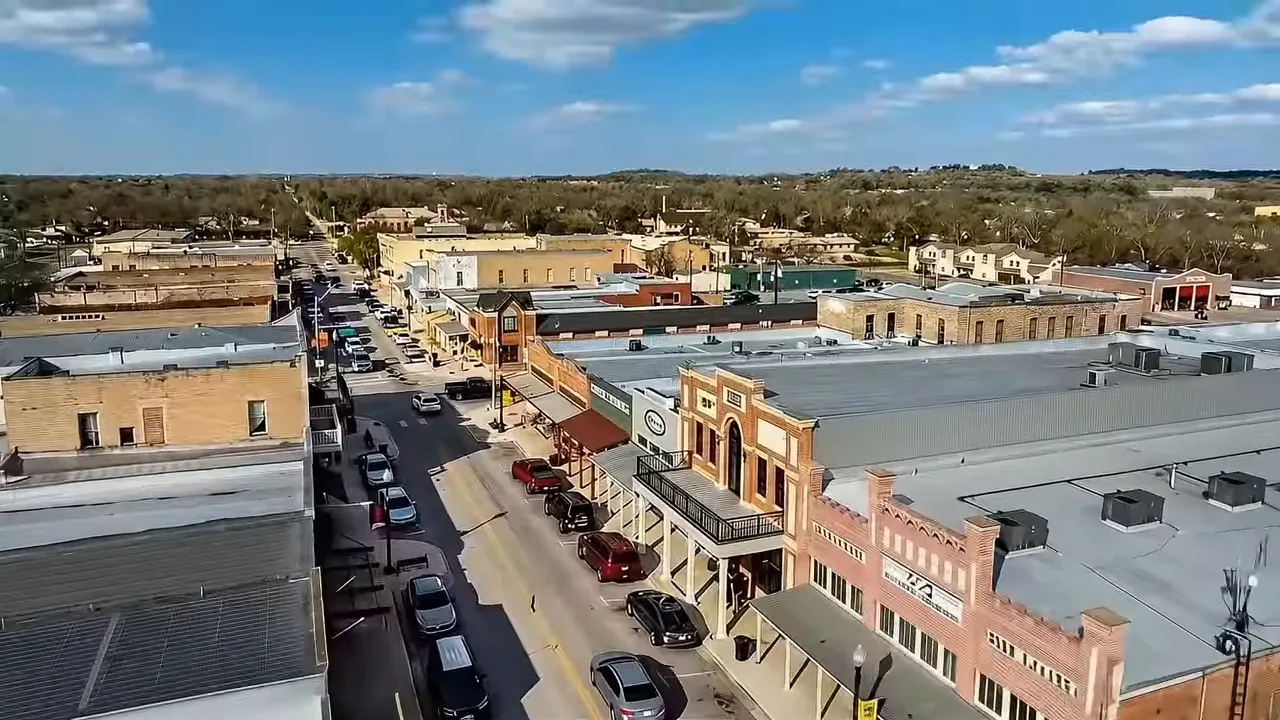
Bastrop is the easternmost suburb on this list, and it has always had its own thing going on. Historically, it has felt like a sleepy, quintessential Texas town. As we enter the area, the tall pine trees immediately change the scenery. For anyone who appreciates that Piney Woods feel, Bastrop has a nostalgic, down-home quality that is hard to manufacture.
The Colorado River runs through the middle of town, and the historic downtown strip has restaurants, cafés, bars, coffee shops, and local mom-and-pop businesses. That is a huge difference when moving to Austin, TX from a place where every suburban commercial corridor looks exactly the same.
We like to think of Bastrop as the eastern version of Georgetown. It has a real downtown identity, local character, beautiful surroundings, and enough distance from the core to feel independent. If the goal is to avoid a suburb that is nothing but chain restaurants and strip malls, Bastrop needs to be on the list.
Why Bastrop is positioned for growth
The first major factor is housing affordability. Austin home prices have pushed many normal working households farther from the city center, especially buyers who want a single-family home, usable yard space, and a home that feels substantial.
In Bastrop, buyers can still find entry opportunities in the low to mid $300,000s. With roughly $500,000 to $600,000, it is possible to find a large, polished four-bedroom, three-bath home on around a third of an acre. For people moving to Austin, TX with a budget that does not stretch to west Austin or central Austin, that gap is a big deal.
The next catalyst is employment. Tesla’s Gigafactory sits near Austin-Bergstrom International Airport, on the southeast side of Austin in the direction of Bastrop. That creates a logical housing search pattern for people who work there and want a reasonable commute along with a larger home and lot.
Neighborhoods such as The Colony are part of the appeal, but Bastrop also has plenty of one-off homes and smaller communities. It is not a one-neighborhood town, which gives buyers moving to Austin, TX more ways to match a home search to their lifestyle.
The third factor is the movie industry. Large studio projects have opened or neared completion in Bastrop proper, with productions connected to major entertainment companies. The reported scale includes substantial capital investment and potentially thousands of employees across the projects.
Those workers need places to live, eat, shop, and spend money. Combine that with Tesla-related demand, lower housing costs, an attractive historic core, and a real natural setting, and it is easy to understand why Bastrop could look dramatically different over the next decade.
Lakeway and Spicewood Near Lake Travis
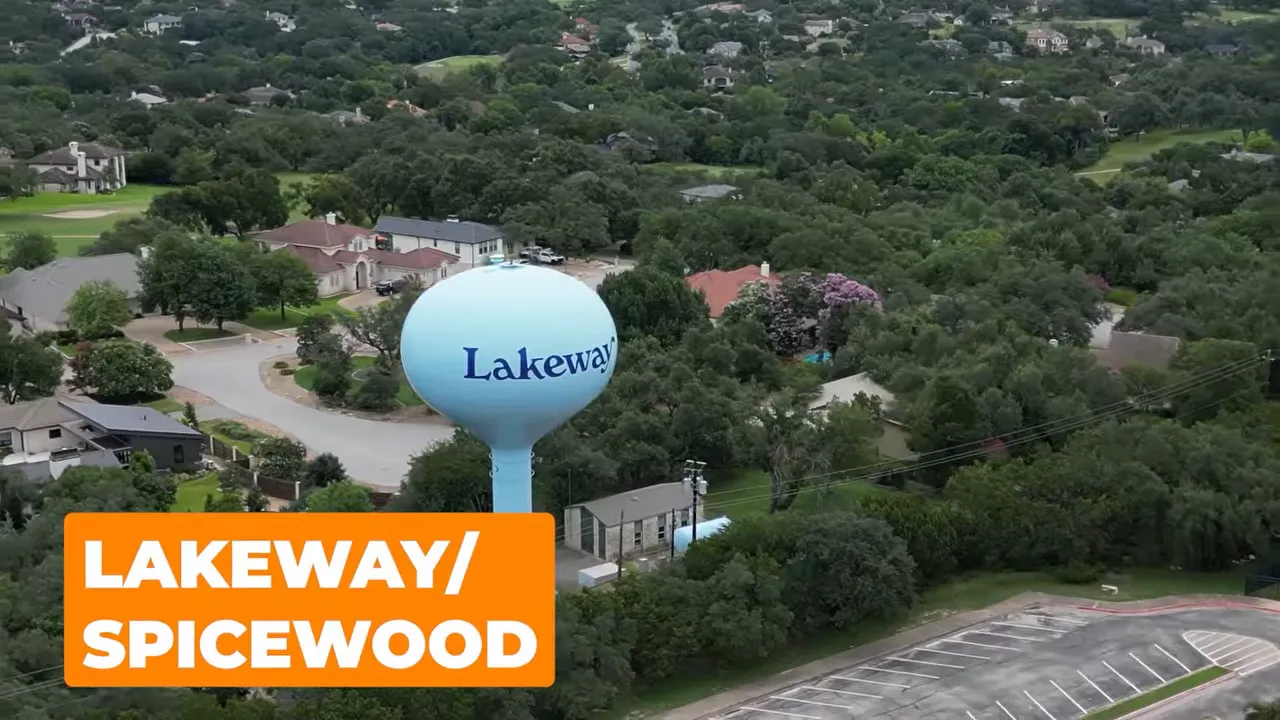
Lakeway and Spicewood are west Austin options, and they bring a totally different vibe from Bastrop. These are areas for people moving to Austin, TX who want hills, views, mature trees, and proximity to Lake Travis.
Lakeway does not feel like a beach town or a spring-break lake community. It is much more elevated than that. Lake life matters here, plenty of residents own boats, and the lake is a major amenity, but we do not see people wandering around in flip-flops and beachwear like it is the Outer Banks. It is a polished Hill Country lifestyle.
For many people, the first drive into Lakeway is the moment it clicks. The landscape has a dramatic Texas Hill Country look, almost like a Central Texas version of the Hollywood Hills. Lakeway was historically associated with retirement living, but that perception has changed substantially over the last few decades.
Lake Travis ISD is a major draw
Lakeway and much of Spicewood are zoned to Lake Travis ISD. The district is consistently rated among the very best in Central Texas and has a major reputation for athletics as well as highly rated schools throughout the district.
That consistency matters. In some areas, school quality can change significantly from one neighborhood to the next. In Lake Travis ISD, buyers generally know that the district itself is a central part of the value proposition.
There is a meaningful price comparison here as well. Eanes ISD is typically the highest-rated district in the region, but its average single-family home price has been around $3 million to $3.5 million. Lake Travis ISD has been described as nearly comparable in quality while averaging closer to $1.5 million. That does not make Lakeway inexpensive, but it gives context for families moving to Austin, TX who are comparing premium school districts.
Why lake levels could influence demand
Lake Travis is not a constant-level lake. Central Texas has experienced serious drought periods, and low water levels have affected the emotional appeal and market perception of lake-adjacent homes. The lake has risen with improved rainfall, though lake levels can change with weather patterns and water conditions.
The point is simple: a full and beautiful Lake Travis makes this entire area more compelling. If water levels remain strong or improve, it could intensify demand for Lakeway and Spicewood. Buyers who want a scenic setting, access to the lake, a highly rated school district, and a more conservative political environment should give this side of town a serious look.
For moving to Austin, TX with a sub-$1 million budget, Lakeway can still be possible, although planning around roughly $700,000 or more is realistic for many home searches. The days of finding a solid Lakeway home under $1 million may not last forever if demand and lake conditions strengthen.
Why Liberty Hill Is Growing So Fast
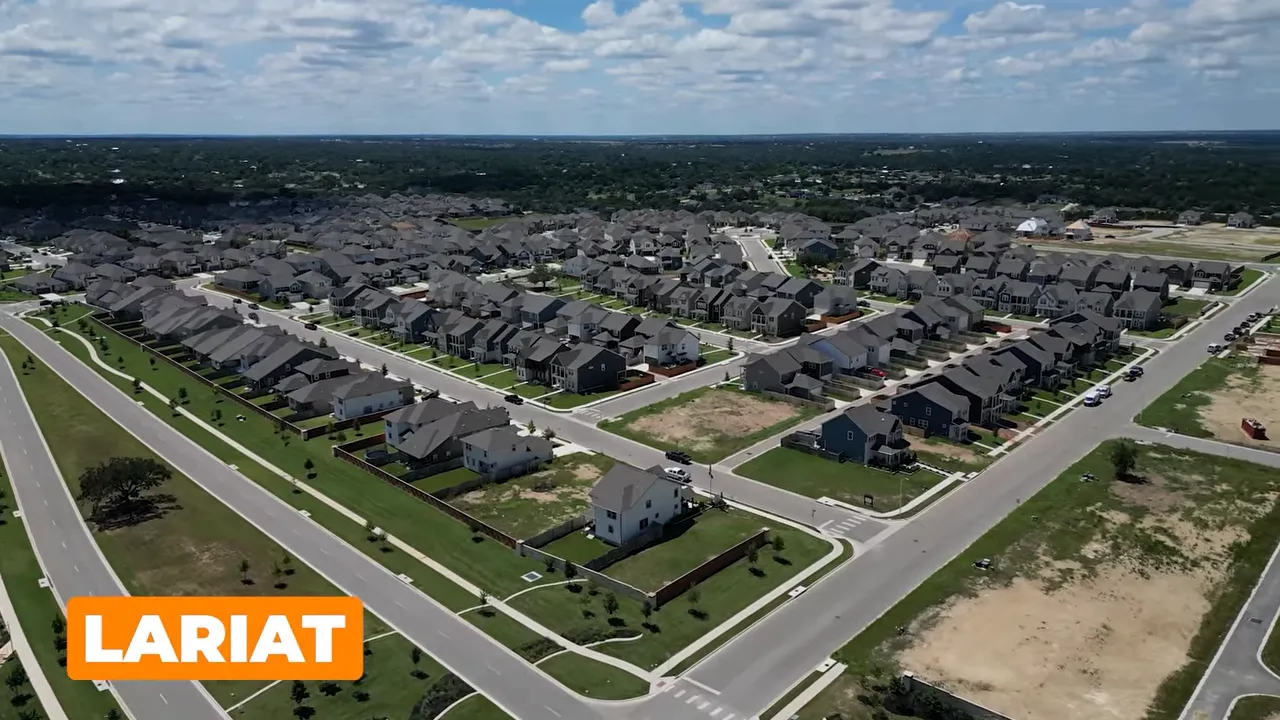
Liberty Hill is northwest of Austin, beyond Cedar Park and Leander along the Highway 183 corridor. For a long time, it felt like the last frontier before we got out into truly rural territory. It had more scattered horse properties and one-off developments than cohesive, master-planned communities.
That is changing. The community that really changed our minds is Lariat. It is a more polished, intentional neighborhood with builders we like all concentrated in one place. For people moving to Austin, TX who want a newer home but cannot stretch to Leander, Cedar Park, or many closer-in suburbs, Liberty Hill is becoming difficult to ignore.
Affordability is still the headline
Housing affordability in Liberty Hill is off the charts compared with much of the Austin metro. Buyers can still find homes in the upper $200,000s. With a $400,000 budget, it is possible to find a home that feels genuinely impressive rather than settling for something that barely works.
That makes Liberty Hill especially relevant when moving to Austin, TX with a budget around $350,000 to $450,000. Newer construction, neighborhood amenities, and more house for the money are all part of the story.
Follow the retail investment
The bigger reason to pay attention is commercial development. Liberty Hill has recently gained a Costco. There are already multiple H-E-B stores within driving range of Lariat, with another H-E-B planned nearby. And a massive Target project is under construction close to the community.
Retailers such as Costco, H-E-B, and Target do not make billion-dollar location decisions on a whim. They use population projections, household data, traffic patterns, and demand forecasting. Their presence does not guarantee future appreciation, but it is a meaningful sign that sophisticated companies expect more rooftops and more consumers.
There are still considerations. Liberty Hill ISD has experienced changing attendance boundaries, and that can be frustrating for families with school-age children. Before purchasing, we should always confirm current zoning directly and think carefully about how potential changes could affect a child’s school experience.
Still, for moving to Austin, TX on a more restrained budget, Liberty Hill has the ingredients many buyers need: newer housing, expanding shopping, a growing community structure, and prices that have not yet caught up with more established north Austin suburbs.
How to Choose the Right Austin-Area Community
The goal is not to chase growth just because an area may get more popular. The goal is to buy in a place we would be happy living even if the market stays flat for a while. A great home purchase starts with lifestyle, then layers in location fundamentals.
When moving to Austin, TX, we should compare these areas through a few practical filters:
- Commute: Bastrop makes sense for southeast Austin and Tesla-related jobs. Lakeway and Spicewood are west-side plays. Liberty Hill works best for north and northwest commute patterns.
- Budget: Bastrop and Liberty Hill offer more entry points, while Lakeway and Spicewood generally require more purchasing power.
- School priorities: Lake Travis ISD is a major draw, while Liberty Hill buyers should verify current and future attendance boundaries.
- Setting: Bastrop has pines, river access, and historic Texas character. Lakeway has hills and lake proximity. Liberty Hill has newer master-planned neighborhoods and a more open northwest feel.
- Development tolerance: Growth means more stores, more roads, more construction, and more traffic. That can be exciting or exhausting, depending on what we want.
If we are moving to Austin, TX, the smartest approach is to tour these places in person, drive the possible commute at the right time of day, and compare actual homes rather than relying on a map radius. The right suburb is not the one with the loudest growth story. It is the one that works for the life we are actually building.
Planning a move up or relocating to the Austin area? Whether you're moving to Austin, TX for a new job, more space, a better lifestyle, or your next home, we're here to help you find the right community, from Bastrop and Liberty Hill to Lakeway and Spicewood. Call or text (512) 855-2713 or book a FREE consultation today for personalized guidance on your move-up purchase or relocation and make your transition as smooth as possible.
FAQs About Moving to Austin, TX
Which area is most affordable for moving to Austin, TX?
Liberty Hill and Bastrop are generally the strongest options for buyers seeking more affordability than central Austin or west Austin. Liberty Hill can offer homes in the upper $200,000s, while Bastrop has entry opportunities in the low to mid $300,000s.
Is Bastrop a good choice for Tesla employees?
Bastrop can be a logical choice for Tesla Gigafactory employees who want a larger home, a decent-sized lot, and a manageable commute toward southeast Austin. Its affordability relative to Austin is a key part of the appeal.
Why do families consider Lakeway and Spicewood?
Lakeway and Spicewood combine access to Lake Travis, Hill Country scenery, and much of the highly rated Lake Travis ISD. They appeal to buyers who want a more upscale west Austin setting and can accommodate higher home prices.
What is driving Liberty Hill growth?
New master-planned communities, relatively affordable housing, and expanding retail are key drivers. The arrival of Costco, additional H-E-B development, and a very large Target project suggests that major retailers expect significant population growth.
Should we buy solely because an Austin suburb may grow?
No. Growth potential is only one part of a sound decision. We should prioritize a location that fits our commute, budget, lifestyle, school needs, and comfort with future development. A home should work for us first, regardless of what the market does next.
Read More: BEST NEIGHBORHOODS NEAR AUSTIN TEXAS: WHY LEANDER ESTATES IS AN ACREAGE UNICORN