I Ranked All 25 Austin Texas Suburbs After 20+ Years Living Here
I have spent most of my life in Austin, and I have watched this city transform from a quirky college town into a sprawling metro that people either love or misunderstand. The suburbs around Austin are not all created equal. Some offer the Hill Country views and small-town charm that transplants imagine when they picture Texas. Others are master-planned communities with every amenity and a commute that will test your patience. A few are still building out, which means you get new construction and unfinished roads in the same package.
After 20+ years here, I have seen neighborhoods boom, stall, and reinvent themselves. I have worked with buyers who thought they wanted one thing and discovered they needed another once they understood the trade-offs. This ranking is my take on 25 suburbs around Austin, based on what I see every day: commute times, lifestyle fit, resale trends, and the honest pros and cons that do not make it into the glossy brochures. If you are moving here or considering a move within the metro, this is the guide I wish I had when I started.
This is not a countdown of the most expensive zip codes or the places with the best marketing. It is a ranking of where I think you will actually enjoy living, depending on what you value. Some of these suburbs are going to surprise you. Others are going to confirm what you already suspected. Let's get into it.
Table of Contents
Understanding the Austin Suburb Landscape
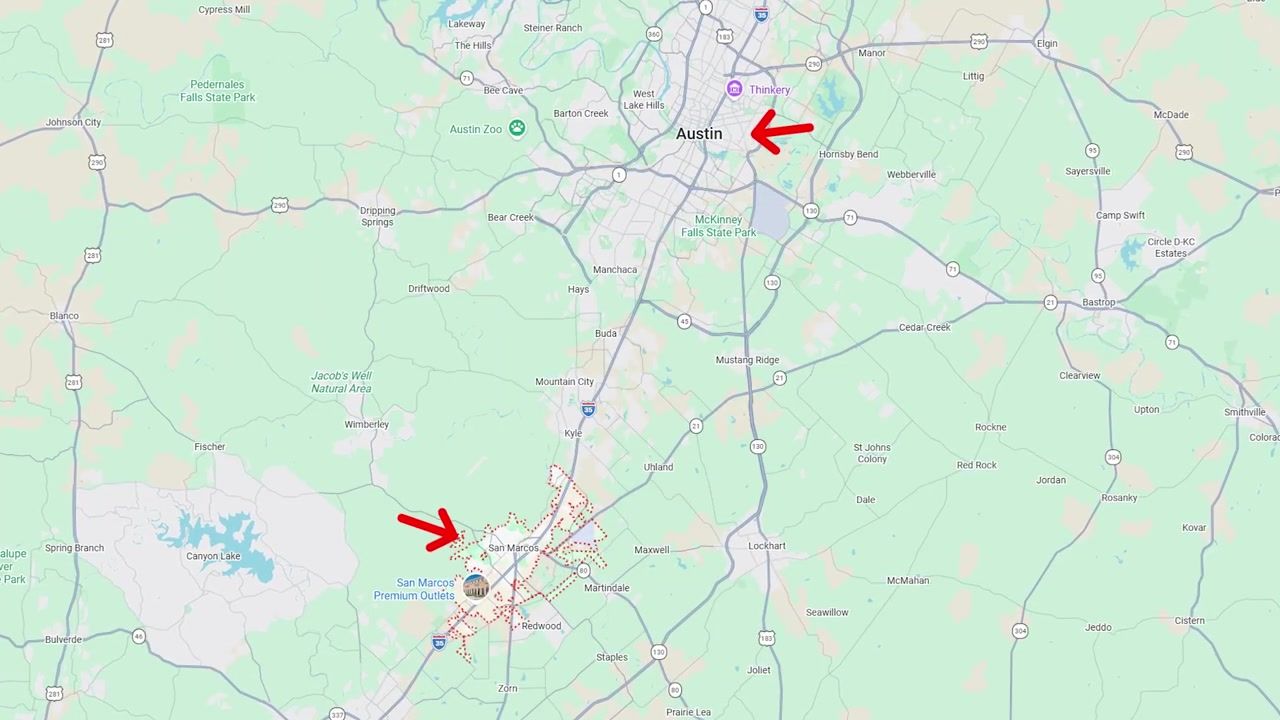
Austin is not one market. It is a collection of smaller markets that radiate out from downtown, each with its own personality and price point. The suburbs to the west and southwest hug the Hill Country and come with higher price tags, better views, and school districts that people move across the country for. The suburbs to the north and northeast are newer, more affordable, and still figuring out their identity as the infrastructure catches up to the growth. The suburbs to the south and southeast are a mix of old Austin character and new development, with pockets of value that get overlooked.
When I rank these places, I am thinking about more than just the house. I am thinking about the commute, because sitting in traffic on Mopac or I-35 will wear you down faster than you expect. I am thinking about the amenities, because some of these suburbs have everything within five minutes and others require a 20-minute drive to reach a decent grocery store. I am thinking about resale, because the neighborhoods that are hot today might not hold their value if the next wave of development shifts elsewhere.
I am also thinking about lifestyle fit. Some buyers want walkability and a sense of community. Others want land and privacy. Some want brand-new construction with a warranty. Others want character and mature trees. There is no single best suburb for everyone, but there are suburbs that consistently deliver on what they promise and suburbs that overpromise and underdeliver. That is what this ranking is about.
The Top Tier: Suburbs That Deliver on Lifestyle and Value

The suburbs at the top of my list are the ones that balance quality of life with practical considerations. They have strong schools, reasonable commutes, and a sense of place that makes you feel like you are part of a community, not just a subdivision. They also tend to hold their value well, which matters when it is time to sell.
These are the suburbs where I see buyers come back years later and tell me they made the right choice. They are not perfect. No place is. But they deliver on the things that matter most to the people who live there. The top-tier suburbs are the ones I recommend without hesitation, depending on your budget and priorities.
What sets these places apart is consistency. The infrastructure is in place. The amenities are built out. The schools have a track record. You are not betting on what the neighborhood will become in five years. You are buying into what it already is. That peace of mind is worth a lot, especially if you are relocating from out of state and do not have time to gamble on a neighborhood that is still finding its footing.
Why the Top Suburbs Earn Their Ranking
The top suburbs are not just expensive for the sake of being expensive. They command higher prices because they offer something that is hard to replicate: proximity to downtown without sacrificing space, access to nature without feeling isolated, and a sense of community that does not require you to join a dozen committees to feel like you belong. These are the places where the trade-offs are minimal.
I also see stronger resale trends in these areas. Homes move faster, and sellers have more negotiating power. That does not mean you will make a fortune flipping a house here, but it does mean you are less likely to get stuck if your job changes or your family grows. The top-tier suburbs are where I would buy if I were moving to Austin today, assuming I could afford the entry price.
The Middle Pack: Solid Options with Trade-Offs
The middle of the ranking is where most buyers end up, and that is not a bad thing. These suburbs offer good value, decent schools, and enough amenities to make daily life convenient. The trade-offs are real, though. You might have a longer commute. You might be in a neighborhood that is still building out, which means construction noise and unfinished roads. You might be farther from the things that make Austin feel like Austin.
But here is the thing: the middle pack is where you can still find affordability in a market that has priced out a lot of people. These suburbs are not going to wow you with Hill Country views or walkable downtowns, but they are solid, functional places to live. If you are a first-time buyer or you are relocating on a budget, this is where you should be looking.
The middle pack also includes some suburbs that are on the rise. They might not be top-tier today, but they are improving as new development comes in and the infrastructure catches up. If you are willing to bet on the future, these are the places where you might see the most appreciation over the next decade. Just know that you are buying into potential, not a finished product.
What the Middle Pack Gets Right
The middle-pack suburbs are not trying to be something they are not. They are practical, residential, and designed for people who want a good house in a safe neighborhood without paying a premium for prestige. The schools are solid, the parks are clean, and the HOAs keep things looking tidy. You are not going to find a lot of character or quirk here, but you are also not going to find a lot of drama.
I see a lot of buyers in the middle pack who are happy with their choice because they knew what they were getting into. They did not expect a walkable downtown or a five-minute commute. They wanted space, local schools, and a neighborhood where their kids could ride bikes. The middle pack delivers on that.
Where the Middle Pack Falls Short
The biggest complaint I hear about the middle-pack suburbs is the commute. If you work downtown or in the Domain, you are looking at 30 to 45 minutes each way, and that is on a good day. Traffic in Austin is not getting better, and the suburbs that are farther out are feeling it the most. Some buyers underestimate how much that daily grind will wear on them.
The other issue is the lack of walkability. These suburbs are car-dependent, which means you are driving everywhere. If you are used to a city where you can walk to coffee or grab dinner without getting in the car, the middle pack is going to feel isolating. That is not a dealbreaker for everyone, but it is something to consider.
The Bottom Tier: Why Some Suburbs Miss the Mark
The suburbs at the bottom of my ranking are not bad places. They are just not places I would recommend unless you have a specific reason to be there. Maybe you work nearby and the commute savings make up for the other trade-offs. Maybe you have family in the area. Maybe you are getting a deal on a house that you could not afford anywhere else. But if you are moving to Austin with a blank slate, I would steer you toward other options.
The bottom-tier suburbs tend to have one or more of these issues: long commutes, limited amenities, weaker schools, or a lack of community identity. Some of them are too far out to feel connected to Austin. Others are older suburbs that have not kept up with the times. A few are just in awkward locations that do not offer much upside.
I also see weaker resale trends in these areas. Homes sit on the market longer, and sellers have less negotiating power. That does not mean you will lose money, but it does mean you need to be more strategic about when and how you sell. If you are planning to stay for 10+ years, that might not matter. But if there is any chance you will need to move in the next five years, the bottom tier is riskier.
What Holds the Bottom Tier Back
The biggest issue with the bottom-tier suburbs is distance. You are far enough out that you are not really part of Austin anymore, but you are not in a town that has its own identity either. You are in a suburb that exists because land was cheap and developers built there. That is fine if you want space and do not care about being close to anything, but it is a tough sell for most buyers.
The other issue is infrastructure. Some of these suburbs are still catching up, which means you are dealing with two-lane roads, limited shopping, and long drives to reach basic services. That gets old fast, especially if you have kids and you are shuttling them to activities all over the metro.
Which Austin Suburb Is Right for You?
Choosing the right suburb comes down to what you value most. If you want local schools and you are willing to pay for them, the top-tier suburbs are where you should focus. If you want affordability and you are okay with a longer commute, the middle pack has solid options. If you want land and privacy and you do not mind being far from the city, the bottom tier might work for you.
Here is how I think about it: Choose a top-tier suburb if you want the full Austin experience with minimal trade-offs and you have the budget to make it happen. Choose a middle-pack suburb if you want good value and you are willing to compromise on commute or walkability. Choose a bottom-tier suburb if you have a specific reason to be there, like a job nearby or family in the area, and you are not planning to move anytime soon.
The worst mistake I see buyers make is choosing a suburb based on price alone. You can find a cheaper house in a bottom-tier suburb, but if you hate the commute or you feel isolated, that savings is not worth it. Think about your daily life, not just your monthly payment. Think about where you will spend your time and how you will feel after a year of living there.
Conclusion
Ranking 25 Austin suburbs is not about declaring one place the winner. It is about helping you understand the trade-offs so you can make a decision that fits your life. I have been here for over 20 years, and I have seen neighborhoods rise and fall. I have seen buyers make great choices and buyers make choices they regretted. The difference usually comes down to how well they understood what they were getting into.
If you are moving to Austin or thinking about relocating within the metro, I would love to help you figure out which suburb makes the most sense for you. Every buyer is different, and every suburb has its own personality. Let's get on a call or set up a Zoom and talk through your priorities. I can show you what these neighborhoods actually look like and help you avoid the mistakes I see people make all the time.
Reach out to me at barrett@ravengrouptx.com or call me directly at (512) 855-2713. Let's make your move to Austin as smooth as possible.
FAQ
What are the best Austin suburbs for families?
The best suburbs for families are the ones with strong school districts, safe neighborhoods, and plenty of parks and activities. Look for places with established infrastructure and a sense of community. Verify current school information directly with the district, as ratings and boundaries can change.
How long is the commute from Austin suburbs to downtown?
Commute times vary widely depending on where you live and where you work. Suburbs closer to downtown or with access to major highways like Mopac or I-35 will have shorter commutes, typically 20 to 30 minutes. Suburbs farther out can push 45 minutes to an hour during peak traffic. Factor in traffic patterns and test the drive during your work hours before you commit.
Are Austin suburbs still affordable?
Affordability is relative. Compared to other major metros, Austin suburbs still offer value, especially in the middle and lower tiers of the market. But prices have risen significantly over the past decade, and the top-tier suburbs are no longer cheap. If affordability is your priority, focus on suburbs farther from downtown or areas that are still building out.
Which Austin suburbs have the best resale value?
Suburbs with strong schools, established infrastructure, and proximity to downtown or major employment centers tend to hold their value best. The top-tier suburbs consistently see faster sales and stronger appreciation. Resale trends can shift, so work with a local agent who tracks the market closely.
What should I know before moving to an Austin suburb?
Understand the commute, the amenities, and the lifestyle fit before you buy. Some suburbs are car-dependent and far from shopping and dining. Others are still building out, which means construction and unfinished roads. Visit the area at different times of day, talk to neighbors, and make sure the trade-offs align with your priorities. Do not choose based on price alone.
Do Austin suburbs have HOAs?
Many Austin suburbs, especially newer master-planned communities, have HOAs. Fees and rules vary widely, so review the HOA documents carefully before you buy. Some HOAs cover amenities like pools and parks, while others are minimal and focus on basic maintenance. Make sure you understand what you are paying for and what restrictions apply.

Barrett Raven’s approach blends deep Austin knowledge with a focus on customer service. Whether you're buying, selling, or relocating, Barrett and his team are here to ensure your real estate journey is smooth, informed, and successful.
Recent Posts