Table of Contents
- Introduction
- Living in South Austin TX
- Living in North Austin TX
- Best Suburbs Near Austin TX to Consider
- Pros and Cons of Living in North Austin vs South Austin
- How to Choose the Best Area to Live in Austin TX
- FAQs About Living in Austin TX
- Final Thoughts on Where to Live in Austin TX
Introduction
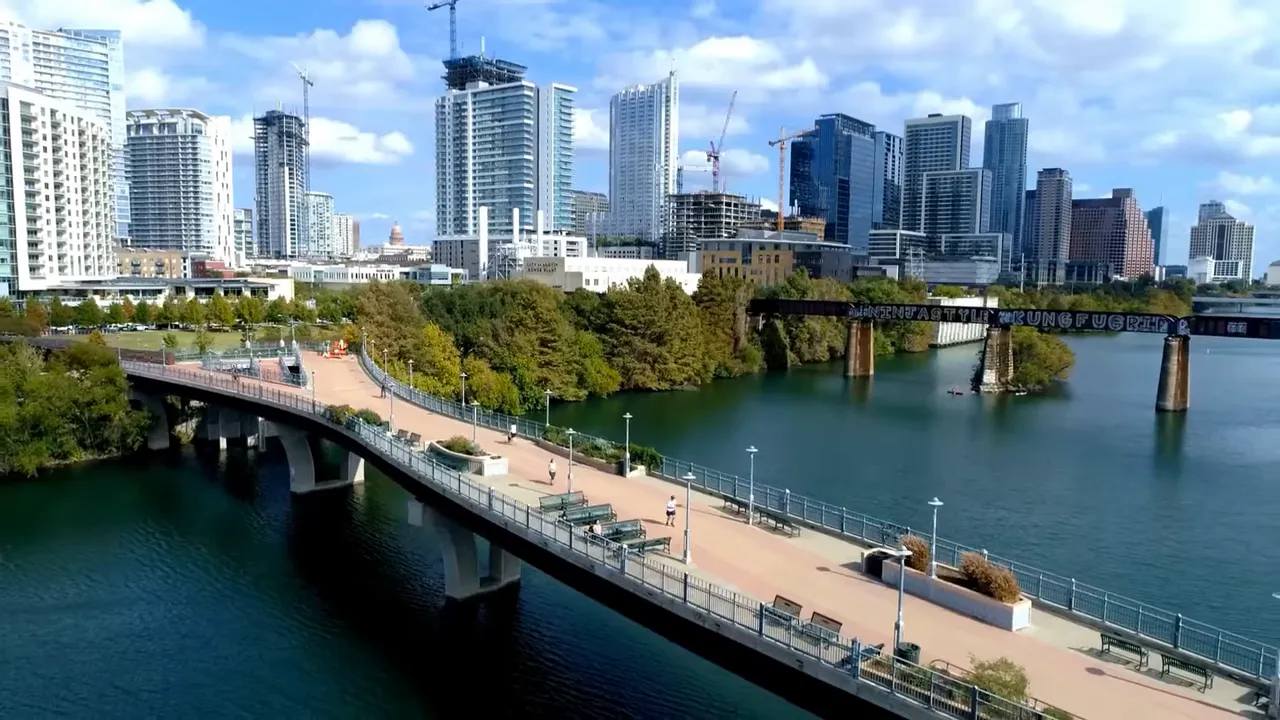
If you're living in Austin TX for the first time or thinking of moving here, the hardest part is often not the logistics — it's choosing the right side of the river. The Colorado River (called Ladybird Lake or Town Lake downtown) slices the city into north and south, but that line hides deeper cultural and practical differences. North Austin and South Austin each offer distinct lifestyles, price ranges, and community feels. This guide lays out those differences clearly so you can decide which side fits how you want to live.
SEARCH HOMES FOR SALE IN AUSTIN TX
Living in South Austin TX
South Austin tends to feel like a small town inside a growing city. Historically more working class and blue collar, it's kept a creative, eclectic DNA: local shops, music venues, and lots of independent restaurants and bars. If “keep Austin weird” matters to you, South Austin is likely where you'll feel at home. South Congress (SoCo) is the neighborhood many people picture when they think of this side — boutiques, live music, and an unmistakable laid-back energy.
Key streets and layout
Imagine the rectangle between I-35 on the east and MoPac (Loop 1) on the west. Inside that you’ll find the spine streets that carry the South Austin identity: South Congress, South First, and South Lamar. These north-south arteries are where the nightlife, coffee shops, and local retail clumps together.
Price brackets in South Austin
South Austin isn't uniform. There are tiers:
- Near South Austin (river to Ben White / 71): essentially central Austin — expect high prices, often averaging $1.5M to $1.7M for desirable homes.
- Ben White to Stassney: still central but slightly more attainable — typical prices often around $700k to $800k.
- Stassney to William Cannon and William Cannon to Slaughter Lane: family-friendly, residential neighborhoods with mid-range pricing. Here you’ll find 3–4 bedroom houses from the 60s–80s in the $450k to $650k range.
Who South Austin is for
People who choose South Austin often want local businesses, live music within easy reach, and a relaxed community where creativity is part of the daily backdrop. If you like gardening, artists, backyard chickens, or a neighborhood bar with regular local acts, South Austin is likely a strong match. If your job is south of the river or you prioritize the nightlife and food scene being nearby, this side is a natural fit.
Living in North Austin TX
North Austin feels different. It’s often described as more “put together”: family-friendly, white collar, and closer to a lot of Austin’s major employers. Tech campuses, government offices, and large corporate centers cluster north of the river, so people who work those jobs frequently prefer living nearby to cut commute time.
Vibe and daily life
Expect parks full of kids, established neighborhoods with a steady rhythm, and streets where people plan playdates and community events. North Austin neighborhoods like Brentwood, Crestview, Rosedale, and Allandale vary in character but share a common emphasis on family life, good schools (in many pockets), and accessibility to job centers.
What the map looks like
North Austin is less grid-like than the south. Roads shift, pockets appear and reappear, and neighborhoods cluster in ways that can look random on a map. Because of that, getting local guidance really helps when shopping for a house here.
Price examples and variety
Prices in North Austin span a wide range:
- Family-friendly central neighborhoods like Brentwood: often $700k–$850k for a solid single-family home.
- High-end pockets like Tarrytown (across MoPac): multi-million-dollar homes are common.
- Planned communities like Mueller: newer homes and townhomes that often list around $700k–$900k.
Best Suburbs Near Austin TX to Consider
Both sides of the city have suburbs worth considering depending on commute and lifestyle. For people focused on tech jobs and corporate hubs, the north suburbs are popular choices. If affordability and a down-to-earth community appeal, several south suburbs are also excellent.
North-side suburbs
- Round Rock: classic suburb with strong schools and family amenities.
- Leander: fast-growing, newer housing stock and commuter access to Austin.
- Cedar Park and Pflugerville: family-focused communities within reasonable drive times to the city.
- Georgetown: often highlighted for its charm and is a favorite for those willing to commute a little further.
South-side suburbs
- Buda and Kyle: historic downtowns, very affordable housing options, and a slower pace compared with central Austin.
- Circle C: a master-planned community in southwest Austin with great parks, pools, and strong schools — a different flavor of South Austin that leans family-oriented.
Pros and Cons of Living in North Austin vs South Austin
South Austin — Pros
- Vibrant local culture: restaurants, bars, and live music are closer and often local-owned.
- Laid-back lifestyle: a small-town feel inside the city limits and a strong creative community.
- Easy access to nightlife and food scenes: you’ll spend less time driving to music and dining spots.
South Austin — Cons
- Variable school quality: many near-South neighborhoods don't have the same public school ratings as parts of North Austin.
- Fewer job centers: most corporate and tech employers are north; commutes can be long if you work there.
- Some areas feel rougher around the edges: that’s part of the charm for some and a downside for others.
North Austin — Pros
- Close to employment hubs: tech, government, higher education, and corporate offices are mostly north.
- Family-friendly communities: parks, schools, and neighborhood activities are abundant.
- More predictable commutes: living north often means shorter drives to work in the same general area.
North Austin — Cons
- Less "hip" in many areas: the creative, bohemian energy of South Austin is less prominent north of the river.
- A packed calendar: families and professionals can be busy; social plans sometimes require coordination.
- Price variability: affordability depends heavily on the exact neighborhood.
How to Choose the Best Area to Live in Austin TX
A few practical rules of thumb make decisions easier when living in Austin TX:
- If you work north (Domain, The Arboretum, major tech campuses), prioritize North Austin to avoid long daily commutes.
- If you work south or downtown and want access to music and food scenes, pick South Austin for walkability and vibe.
- If schools and family amenities are top priorities, North Austin and many of its suburbs offer stronger public school options in many pockets.
- If you want local shops, neighborhood bars, and a creative community, South Austin usually delivers that culture.
- When price matters, check the specific neighborhood: both sides have expensive and affordable pockets. Research, visit, and walk the streets at different times of day.
SEARCH HOMES FOR SALE IN AUSTIN TX
FAQs About Living in Austin TX
How do I decide between South Austin and North Austin if I work remotely?
Consider lifestyle over commute. If live music, local cafes, and a laid-back vibe matter, South Austin is a strong option. If you prefer a family-oriented atmosphere with lots of parks and organized activities, North Austin might be a better fit. Either way, look at neighborhoods that match your leisure priorities since work location is less of a constraint for remote workers.
Are schools really better in North Austin?
By many ratings, several North Austin neighborhoods and suburbs have stronger public school options. That said, good and bad schools exist on both sides. Always check current school zoning and local ratings for the specific property you’re considering.
Which side has better nightlife and live music?
South Austin is the cultural epicenter for live music and nightlife — South Congress and other south-of-river corridors host many venues and independent bars. North has nightlife too, but South Austin remains the historic music hub.
Is traffic worse living on one side?
Traffic patterns depend on commute direction. Living north and working north tends to cut drive time. Living south and commuting north during rush hour often means time on MoPac or I-35, which can be heavy. Choose based on where you’ll spend most weekdays.
Can I afford to live in South Austin?
It depends on the neighborhood. Near downtown South Austin is expensive, but farther south and in suburbs like Buda or Kyle, prices are much more accessible. There’s a range of options on both sides for different budgets.
Final Thoughts on Where to Live in Austin TX
Whether you love the idea of living in Austin TX on the north side with its family-first neighborhoods and job access, or you’re drawn to the creative, music-forward soul of the south, Austin offers both worlds. The decision rarely hinges on a single factor. Match commute, schools, and lifestyle priorities, then visit neighborhoods at different times to get a real feel.
If you want clarity, focus on two questions: where will I spend most of my weekdays, and what kind of community fills my weekends? Answer those, and you’ll be much closer to choosing the side of town that will let you thrive while living in Austin TX.
Ready to explore specific neighborhoods? Call or text me at (512) 855-2713 — we’ll help you find the right side of Austin for your lifestyle.