Table of Contents
- Introduction to Living in Austin TX
- Why Living in Austin TX Is Great for Families
- Outdoor Lifestyle in Austin TX
- Best Suburbs Near Austin TX to Consider
- Austin TX Home Prices vs Coastal Cities
- Things to Do Around Austin TX
- FAQs About Living in Austin TX
- Final Thoughts on Living in Austin TX
Introduction to Living in Austin TX
If you are thinking about living in Austin TX and buying a home, chances are you have heard the usual talking points. The heat. The politics. The costs. The things people love to complain about.
We get it. Those topics matter. But over the years, we have sat down with families and couples who moved here expecting the worst, or at least expecting nothing surprising. And then they would reach back out after a few months and say something like, “Why did nobody tell me about this?”
That is the theme here. We want to share five things that often surprise people about living in Austin TX in a good way. These are not generic “Austin is fun” lines. They are real day to day lifestyle and location factors that tend to catch newcomers off guard.
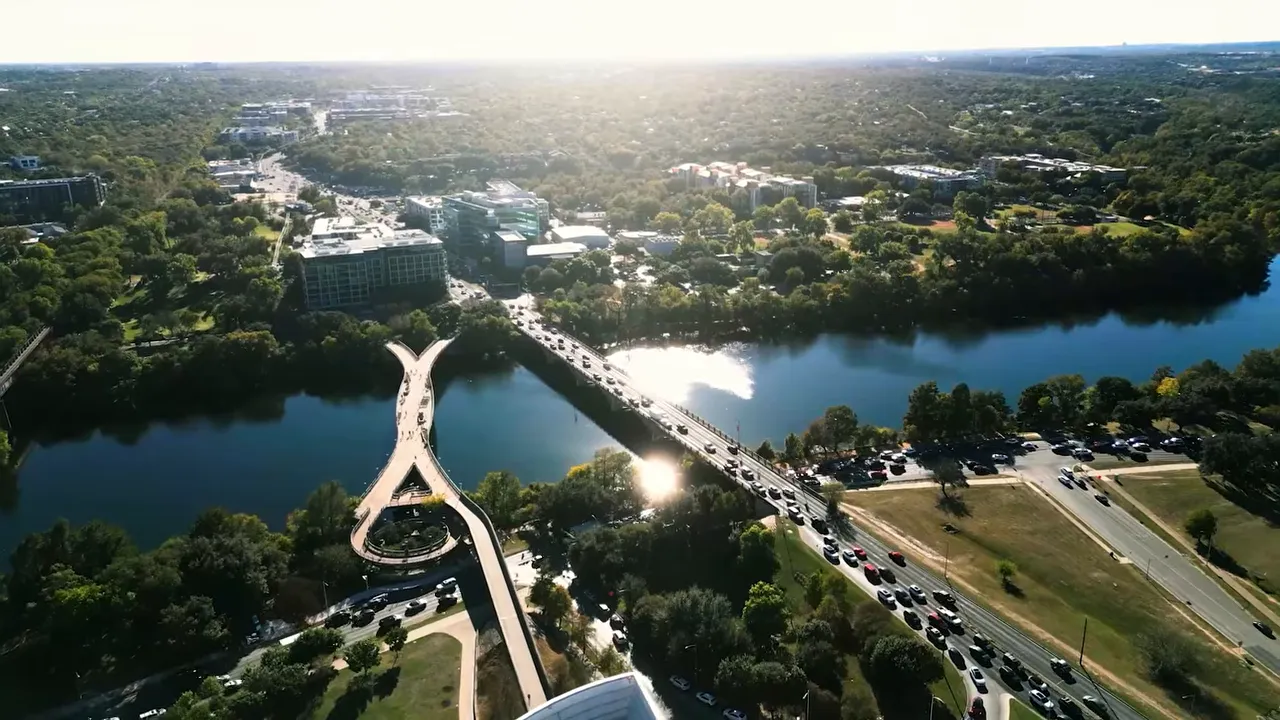
VIEW HOMES FOR SALE IN AUSTIN TX
Why Living in Austin TX Is Great for Families
One of the most common surprises we hear when people start living in Austin TX is how family friendly it feels once they are here for a while.
When people move from places like Miami, LA, San Francisco, Seattle, Chicago, or New York City, they often tell us they love those cities for adults. They love the energy. They love the options. They love that there is always something to do.
But then they hit the “raising kids” question and freeze. They cannot imagine putting their kids into that environment. So they assume Austin will be only marginally better. Maybe a little more calm. Maybe a little more practical. Maybe a lot more parks.
And then they arrive and realize Austin is not just marginally better. It is genuinely great for families and kids, including many areas of the central city, not only the suburbs.
Central Austin can be a kid friendly base
We see this again and again with clients, and it matches our own experience. We walk through the neighborhood where our kids were born and raised, and it just feels right. Think of it like a city where life does not have to revolve around driving everywhere.
When kids are small, nearby activities matter. We remember when our kids were tiny and we basically lived at the Thinkery, the children’s museum at Mueller. It is the kind of place where kids can do hands on crafts and learn through play, and it is exactly what you want when you are juggling schedules and energy levels.
And Mueller, especially as it continues to evolve, has a surprisingly strong “kid friendly ecosystem” around it. You have places to eat, grab coffee, and generally keep the day moving without turning every outing into a big project.
There is also a real culture of water play
Austin and Texas in general sometimes get labeled as too hot, which is not wrong. But what surprises people is how many ways there are to cool off.
In Austin, you can swim in lots of places. We are talking neighborhood pools, city pools, and plenty of water features like springs, creeks, and streams. It is almost ridiculous, in the best way.
One thing that really stands out for newcomers is that they expected “hot and dry” to mean “limited recreation.” Instead, Austin often feels like a parent and kid wonderland during warm months. And even in spring and fall, you still get opportunities to be outside without it feeling miserable.
We even compare it to growing up in other parts of Texas where there is water nearby but not a lot of people use it for swimming. In Austin, it is different. The water is not just scenery. It is part of life.
Outdoor Lifestyle in Austin TX
Another “wait, what” moment for people living in Austin TX is how much outdoors matters here. Not just for kids. For everyone.
We meet families, young parents, singles, married couples, and older adults who all say the same thing in their own way: “I did not realize how outdoor focused Austin is.”
Parks are not only parks
For kids, it starts with parks. Austin has a lot of parks, and many of them are built for the exact problem parents face: how do you keep kids entertained safely in the heat?
When our kids were younger, we could go to parks with splash pads, like Pease Park, Bailey Park, and Ramsey Park. Those splash pads were genuinely lifesaving. They also made it easy to feel comfortable letting kids have fun without constantly worrying about logistics.
Again, we are not only talking about suburban convenience. We are talking about the central city being set up for outdoor time.
Fitness culture is outdoors and social
Then there is the adult side of outdoor culture, which is just as real.
In Austin, you see trail runners on the greenbelts. You see road cyclists. You see triathletes. You see mountain bikers. You see hikers. And you can join groups.
We are not exaggerating when we say there are lots of fitness clubs and organized groups. If you ride bikes, run, swim, or train for triathlons, there are people doing that all the time. That matters because it turns exercise from “a solo chore” into something social and consistent.
We also notice how many people build workouts into public spaces. A lot of cities have gyms and studios, sure. But Austin has a particular vibe where organized workouts regularly show up in parks.
The “you should be in better shape” expectation
There is a joke we make that is only half a joke. If someone moves to Austin and after a year they are not noticeably more fit than when they arrived, they probably did something wrong, because the city practically hands you outdoor opportunities.
And this matters because many people do not place Austin in the “outdoors” bucket. They picture Boulder, Colorado for mountains and Seattle for rainy hikes. Austin is not positioned that way, at least not in people’s mental map.
But once you live here, you realize outdoors is a major part of the soul and culture. Austin may be famous for tech and live music, but outdoors shows up in daily life, and it shapes how people connect with the city.
Best Suburbs Near Austin TX to Consider
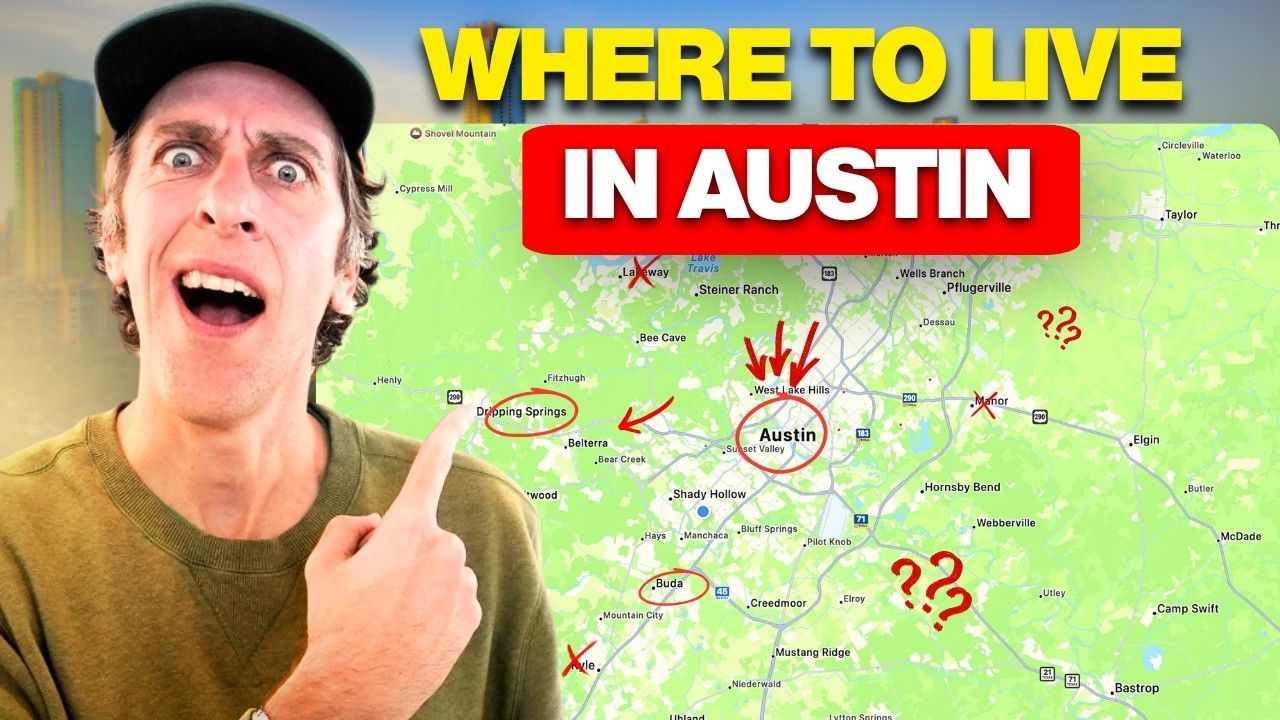
We are going to say something that sounds funny at first. A lot of people are surprised by how great Austin’s suburbs are.
Because when you start living in Austin TX, you might assume you either want “right in Austin” or you want “far away.” But what we see is different. The suburbs are not just where people settle when they cannot afford the center. For many areas, they are their own lifestyle destination.
It is not always a compromise
In other cities around the country, the “go to the suburbs” story usually means you wanted the city but could not afford it. People commute or downgrade their expectations.
In parts of Austin, we hear the opposite. We hear people say they are happy they live outside the city because the neighborhoods feel better suited to their lives.
One client told us they bought in Round Rock and were upset we did not push them to do it sooner. That is the kind of comment we hear more than you would think. People often love the area they chose and do not want to move closer to Austin proper.
We also hear similar sentiments from people who moved for work and discovered they preferred places like Lakeway. Their story is not “we had no choice.” Their story is “I did not realize I would like it this much.”
Many suburbs have their own character
We have toured and researched a lot of these areas. And one reason it lands differently in Austin is that so many communities feel distinct.
We often hear people talk about moving to Georgetown because it started independently of Austin. Over time, it became more connected, but it still feels like its own place. You get a historic Texas downtown vibe without everything feeling identical to central Austin.
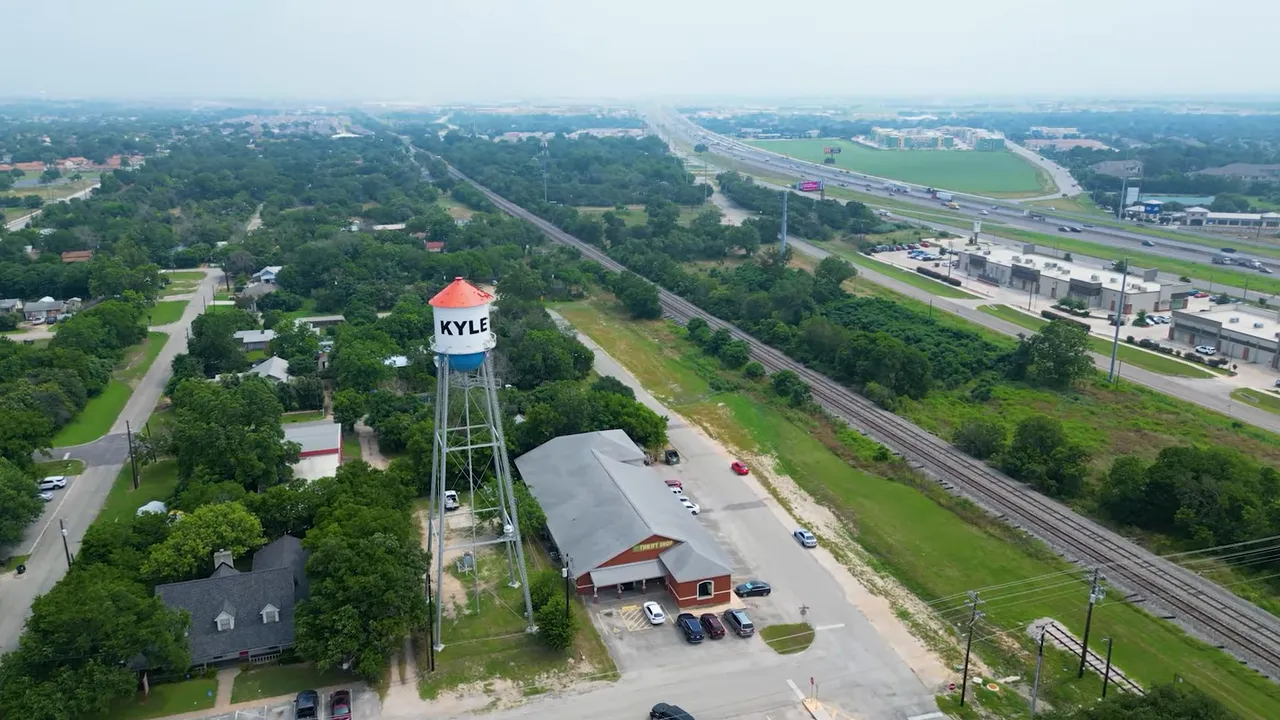
We have also found that areas like Buda and Kyle feel full of personality. Kyle, for example, leans into its identity in a fun way, and it shows up in community events. That matters because it makes everyday life feel less generic.
Other areas are popular for views, water access, and specific community setups. Lakeway is a good example, where certain parts offer scenery you might not easily find from inside Austin.
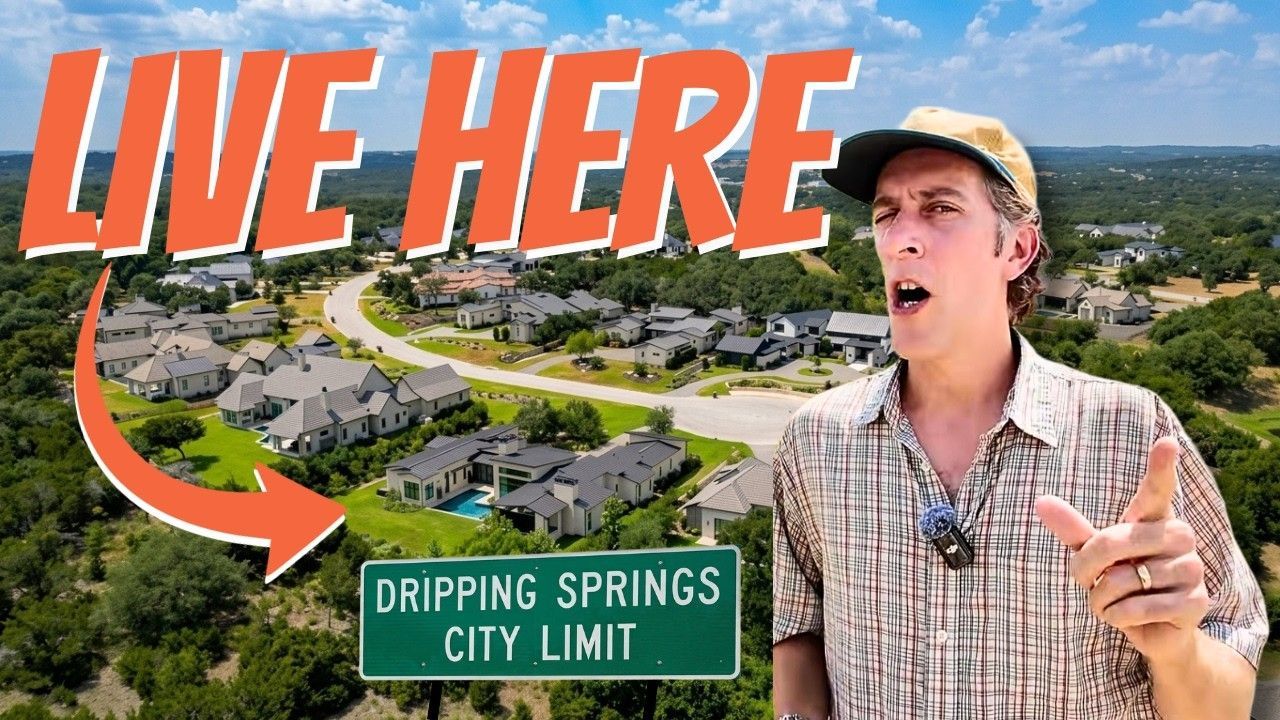
And then there are the many communities people consider part of the broader Austin lifestyle, including Leander, Cedar Park, Round Rock, Liberty Hill, Pflugerville, Manor, Bastrop, Dripping Springs, and Driftwood.
Suburb tours become real “wish list” conversations
Here is a funny detail. We have spent a lot of time touring neighborhoods and communities, including “destination” spots that show up in regional life. The more we do that, the more our brain starts treating these suburbs like potential home options.
We have literally called out places during tours and said, “I could see us living here.” Not once. Multiple times. That is usually the moment when people understand the point: these are not just areas on a map. They are places with daily life built in.
Austin TX Home Prices vs Coastal Cities
Let’s talk numbers, because this is the topic that triggers strong opinions fast.
Some people hear “Austin home prices” and immediately think, “No way. That is not affordable.” And if you are comparing Austin to small towns or to certain older markets, you might be right to feel that sticker shock.
But one surprise we hear from relocations is how Austin home prices compare to the cost of single family homes in major coastal and high demand cities.
Example baseline for Austin
At the time referenced in our conversations, the average single family home price in the city of Austin was around $750,000 for early 2026.
If you are moving here from places like Navasota, Mobile, Alabama, or Cleveland, you will likely still feel the jump. That makes sense.
But it is important to consider why many people are moving to living in Austin TX in the first place. A lot of newcomers arrive for tech jobs, university roles, or hospital system opportunities. Many are coming from places that are already expensive.
Compare single family homes, not condos
Here is the key comparison we stress with people: compare like for like.
When you look at cities like Los Angeles, the Bay Area, San Francisco, Seattle, Chicago, Miami, and New York City, getting a single family home becomes dramatically more expensive. And the typical “cheap” options in those areas are not single family homes. They are condos, co ops, or townhomes where you share walls or do not get the yard space people want.
So we challenge people to do a quick exercise: search Zillow for single family homes in places like New York City or San Francisco and see if you can even find a true single family listing. If you can, you will probably see pricing that is far beyond $750,000.
The goal is not to say Austin is “cheap.” The goal is to show why Austin can feel surprisingly reasonable to people coming from higher cost markets, especially when they want a real yard and a detached home.
Things to Do Around Austin TX
Another surprise about living in Austin TX is how easy it is to find things to do nearby, even if you want variety beyond the city.
This comes up constantly with out of state and out of country relocations. Many people carry an old Texas image. They imagine huge distances and barren land, like everything is far apart and you will spend your weekends driving to nowhere.
We hear versions of this all the time. Someone will say they moved expecting that Austin would be “the only place,” and everything else would be a long trip.
Then they map it out and realize Austin is actually surrounded by a bunch of destination spots you can reach without living in the car.
It feels smaller than people expect
On calls with relocations, we sometimes hear comparisons like “In Albuquerque, we can only go so many places.” The person might explain that you can get to places like Santa Fe or Las Cruces, but everything else feels directionless. When they ride motorcycles, it just becomes a long ride for a short payoff.
We usually respond with the same thought: once you look at a map of Austin, there are so many directions to choose from. You can head south, west, or north and end up in completely different experiences.
Day trip options people love
Here are a few examples we commonly mention, just to give you a real feel for nearby variety:
- San Marcos to the south, with the San Marcos River for tubing and fishing.
- San Antonio, about an hour and a half south, known for food, culture, and a strong local identity.
- Fredericksburg to the west, right in the heart of Hill Country, with shops, cafes, and a great day trip atmosphere.
- Round Top, an antique shopping destination that attracts people from all over the world.
- Waco to the north, including iconic destinations people plan trips around.
- Wimberley, where many families head for a river town feel, often renting places near the Blanco River for a week.
- Hamilton Pool southwest of Austin for a natural escape and a classic “I have to see this” experience.
- State parks within reach, like McKinney Falls, Bastrop State Park, and Colorado Bend State Park outside Lampasas.
The big takeaway is simple. You do not have to “be bored inside Austin” because there is plenty to do inside the city. And you also do not have to accept that weekends are limited. You can go beyond Austin just a little bit and still feel like you changed your environment.
VIEW HOMES FOR SALE IN AUSTIN TX
FAQs About Living in Austin TX
Is living in Austin TX really family friendly?
Yes. People are often surprised by how family oriented it feels, even in central Austin. There are kid focused destinations, parks with water play like splash pads, and plenty of options that make day to day life easier for families.Can you swim in Austin even during hot months?
Yes. Austin has neighborhood pools and city pools, plus natural water options like springs, creeks, and streams. That makes cooling off much easier than newcomers expect.
Is living in Austin TX only about being outdoors?
No. Austin is known for music and food, and we still have plenty of indoor options. The surprise is how strongly outdoor time is woven into daily culture, including fitness groups, parks, and nearby day trips.
Are Austin suburbs just for people who cannot afford the city?
Not always. A lot of people end up loving their specific suburb lifestyle and feel like it is not a compromise. Many communities have their own character and draw residents because they fit real life better.
How do Austin home prices compare to coastal cities?
Austin can feel surprisingly attractive when you compare single family homes in high cost areas. Many coastal comparisons break down if you are comparing detached homes versus condos or shared wall setups.
Are there good day trips near Austin?
Yes. Many destinations like San Marcos, San Antonio, Fredericksburg, Round Top, Wimberley, Hamilton Pool, and multiple state parks are within a reasonable drive, which makes it easy to change scenery without major travel planning.
Final Thoughts on Living in Austin TX
Living in Austin TX can be a game-changing move, but the key is finding a home that truly fits your lifestyle—not just choosing between Austin and the suburbs. The right decision comes down to how you live day to day, from community vibe and outdoor access to commute and convenience. When those pieces align, Austin becomes more than just a place you moved to—it becomes a place that feels right.
If you want clarity on where you should be looking, we’ll help you break it down step by step based on your priorities, must-haves, and what matters most to your family. That’s how we turn options into a clear plan and help you land in the right spot.
Thinking about living in Austin TX? Let’s find the right area for you— call or text us at 512-855-2713.
READ MORE: Parkside On The River Homes for Sale in Georgetown TX: Full Guide