Table of Contents
- Introduction to Pros and Cons of Living in Austin Texas
- Pros of Living in Austin Texas
- Cons of Living in Austin Texas
- FAQs About Living in Austin Texas
- Final Thoughts
Introduction to Pros and Cons of Living in Austin Texas
If you are considering the pros and cons of living in Austin Texas, you have probably heard two very different stories. Some people say Austin is one of the best places in the country to live. Others say it used to be great, but it has changed too much.
I have lived here for about 20 years. I came to Austin for the University of Texas in 2006. I met my wife here, started my career here, and now I am raising my kids here. I also help people relocate to the Austin area, so I see the questions you are probably asking long before you move.
Here is the honest take: Austin is incredible, but it is not perfect. It is a real tradeoff. And the better you understand the tradeoffs, the easier it is to pick the right neighborhood, build a routine you will actually enjoy, and avoid the common surprises.
This guide walks through the real pros and cons of living in Austin Texas from a local, day-to-day perspective, including fitness culture, how spread out everything is, crowding at popular spots, weather realities, and why Austin neighborhoods can feel like completely different worlds.
Pros of Living in Austin Texas
Fitness Culture That Feels Social
One of the biggest reasons people love the lifestyle in Austin is fitness and being active. If you move here and after a year you are not noticeably in better shape, you are doing something wrong.
But the detail many people miss is this: Austin’s fitness culture is social. In a lot of major cities, you see people exercising alone, but in Austin you will regularly see groups.
That shows up everywhere. When you ride bikes around central Austin, you will see clusters of cyclists. Sometimes the groups are 10 to 20 people, and sometimes it is way more. There is even a group called the Breakfast Club that rides around Austin, and it can be shockingly large.
Swimming can be social too. Barton Springs is a perfect example. If you go early, before 8:00 a.m., it is free, and you get a glimpse of the community vibe. Before the day gets hectic, you will notice people swimming in groups, taking runs, meeting friends, and turning outdoor time into an actual social event.
And yes, you will see plenty of CrossFit-style group training, outdoor workouts, and gym scenes built around community. You do not have to do everything with people. Plenty of Austin residents still do home workouts or work out with headphones in peace.
But if you like the idea of being active and you also like being around people, Austin can feel like it was built for you.
It Is Easy to Build a Weekly Routine
One of the most underrated pros for living in Austin Texas is how easy it can be to build a routine that actually sticks.
I have three kids. I have teenagers and a pre-teen. I run a business. I am involved with my church. Life is busy. And yet, Austin makes it surprisingly simple to keep doing the same things each week, with seasonal changes.
In the summer, people talk constantly about how hot it is. What you may not hear as often is how many ways there are to beat the heat through water.
There are swimming holes, creeks, streams, rivers, neighborhood pools, and springs. Summers can mean weekly swimming for a lot of families. You might have certain days when you are done with work and you head straight to a community or neighborhood pool, then possibly go to Barton Springs after a run on the greenbelt.
Austin also supports routines with farmers markets, food trucks, and popup coffee spots with consistent hours. It gives people something to anchor their week around, and it is common to hear: “Yep, I do the same thing every week.”
Even hobbies can become a repeatable ritual. I personally play tennis and have a weekly clinic. Then it is home, family time, and a late breakfast tradition. That kind of routine is easy to create here.
The Airport Is Surprisingly Convenient
This is one of those Austin facts that tends to surprise people. Austin’s airport is small, but it punches above its weight.
I have traveled through bigger airports in places like Denver, Dallas, Atlanta, and Toronto. They can feel more impressive purely by size. But when you look at real outcomes, Austin residents and visitors often find they can get to many destinations on direct flights, and it does not always come with an expensive price tag.
Clients moving from large metro areas often tell the same story: they did not expect such a small airport to be that useful. They find it efficient and convenient, with solid flight options and practical access.
There is also a vibe element. People talk about airport food and coffee as being great, and there is often live music. The airport can feel like a little preview of the Austin personality.
A Friendly Community That Still Feels Local
Despite growth and change, Austin can still feel friendly. Hospitality is part of the culture in Texas, and it is real.
In Austin, people can be genuinely interested in what you are doing. It is not always a rhetorical “How are you?” If someone nods at you and asks how you are, they often want to hear the answer.
One of the most memorable local habits: if you nod back and greet people, it builds easy connection. Ignore people like they are invisible and some people will assume you are being unfriendly for a reason.
I still see conversations in everyday places like the grocery store line. Sometimes I start it. Sometimes the person in front or behind me starts it. It is common.
There is also a myth that “all the locals left.” That is not true. There are still plenty of Austinites. My kids are seventh-generation Austinites, and I am the only one of those seven generations who was not born here.
At the same time, people do move here from out of state because they want what Austin offers: friendliness, a strong sense of community, and an area where people have each other’s backs. That new energy blends with long-time culture, and it can be a positive thing.
So if you move into a neighborhood and someone brings you cookies or a cake, it is not weird. If you get sick and someone checks on you or offers help with childcare or meals, that can be normal here.
You May Get Amazing Weather for Most of the Year
Even with brutal summer heat, the weather in Austin can be amazing for a large part of the year.
The “bad” stretch is roughly June through September, with July and August often being the worst. But if you look at October through May, you can get what many people describe as dreamy weather for patios, front porch hangouts, swimming, hiking, and biking.
When the season is right, it feels like you can enjoy outdoor time without feeling miserable. You might be outside in the sun with just a light layer, thinking, “Why is this so nice?”
It is also why many major festivals and events happen during these months, including South by Southwest, Austin City Limits, and lots of marathons and triathlons.
If you are touring and trying to decide whether you can handle Austin, a practical suggestion is to visit during summer to test your tolerance. If you love Austin while you are sweating through it, you are probably going to love it overall because the rest of the year gives you so much more flexibility.
Cons of Living in Austin Texas
A City That Is More Spread Out Than You Expect
Now here is one of the biggest cons that people often do not understand until they live here for a while: Austin is more spread out than you think.
People relocating from denser cities expect to move around quickly. They think they can walk or bike between neighborhoods easily, maybe even use public transit like a big-city pattern. Austin can feel different immediately, because “getting from one part of town to another” tends to take time.
There is a phrase locals use: Austin is “30 minutes away from Austin.” The meaning is simple. If you are going to another part of the city, it is probably around 30 minutes, even when traffic is not the main issue.
This is partly because Austin grew and expanded. But it is also because things are truly positioned further apart than many newcomers expect. That surprises people who move here thinking everything will be close.
To be fair, some people end up loving the spread out layout. It can feel more relaxed. You can stretch your legs, slow your pace, and enjoy space. But you do need to plan ahead. If you think something should be a 15-minute drive, it is likely closer to 30.
Popular Spots Get Crowded Fast
Another con that catches people off guard, especially on weekends, is crowding. Many of the best-known Austin attractions and hangout spots can get extremely busy.
Barton Springs is a great example. It is one of the coolest things Austin offers. People love it because you can swim in the springs while downtown rises above you. It is a unique experience.
But daytime visits are another story. If you try Barton Springs on a weekend during the day, you should expect packed conditions and a tough time finding your rhythm. Many residents recommend going during off hours, which is often a more enjoyable experience anyway.
Zilker Park and Butler Pitch and Putt are similar. As a kid, people remember the older, cheaper, more laid back par three course. Over time, it has improved and attracted more attention. If you want to go on a weekend when the weather is good, expect to wait a long time to get a tee time.
If you are the type of person who wants to “swing by” for a quick frisbee moment or a casual game, crowding can disrupt your schedule. The workaround is simple: choose off hours when possible.
Summers Are Hot and Dry, Not Just Hot
Let’s address the weather directly, because it matters for living in Austin Texas more than people realize.
Yes, summers are hot. Austin regularly sees temperatures around 100 to 101 degrees. That part is not shocking.
The key nuance is that summers are dry. It is hot and crispy. And there can be extended drought stretches that make the landscape feel sad: grass browns out, trees can look like they are struggling, and lake levels can drop significantly.
If you go to places like Lake Travis during a dry period, the docks may sit on dirt rather than mud. It can look and feel depressing if you are expecting the water to behave like it does in wetter climates.
So while you absolutely will sweat, there is more to it than “hot.” You will feel the dryness, and it can change the mood of the season. Even outdoor fitness routines can shift to earlier mornings or later evenings.
A practical takeaway from locals: you do not just “tolerate” summer. You adapt. And one of the best adaptations is leaning hard into swimming spots, creek runs, and neighborhood pools, especially during the hottest part of the day.
A City Still Figuring Out Its Identity
One of the more “meta” cons is that Austin can feel like it is still defining itself.
Historically, Austin saw itself as a small college town with live music, artsy culture, and an overall hippie-dippy vibe. People came to chill by the river and enjoy a creative atmosphere.
Then the tech bubble helped shift the identity. In the late 1990s and early 2000s, technology companies expanded and brought new workers. Austin became a tech and business-friendly hub, aided by factors like no state income tax and a generally business-oriented environment.
And with that came entrepreneurship and an influx of tech workers. That created a feeling that Austin changed fast, like it went from being primarily a music capital to a tech entrepreneurship center almost overnight.
Now Austin still juggles multiple identities at once. People ask questions like: Are we a music town, a tech town, an entrepreneurship town, or a fitness town?
For some people, that “identity puzzle” is frustrating. For others, it is exactly what they want. They get a culturally diverse, idea-rich environment where business opportunities exist and health and fitness are valued.
So this is not just a negative. It is a real dynamic: Austin’s mix can feel like chaos or like opportunity, depending on your personality.
You Might Move Neighborhoods If You Choose Affordability Over Fit
This is one of the most important cons in the real estate side of pros and cons of living in Austin Texas.
Many people end up moving neighborhoods at least once after they arrive. Why? Because it is hard to fully understand Austin’s “lay of the land” before you live it.
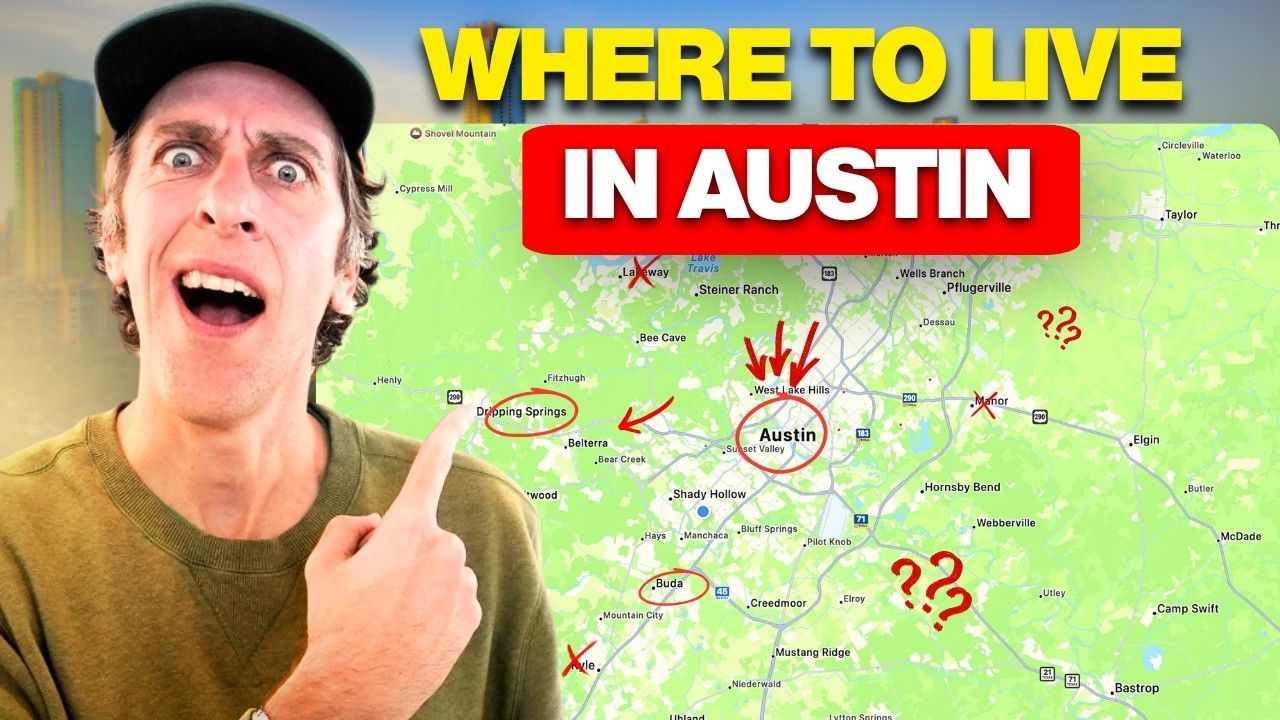
Here is the challenge: Austin is not one uniform city. The north feels different than the south. The east feels different than the west. Central can feel different from northwest. South central can feel different from west central.
So when someone moves and chooses based mostly on affordability, they might buy a home in an area that does not match how they want to live.
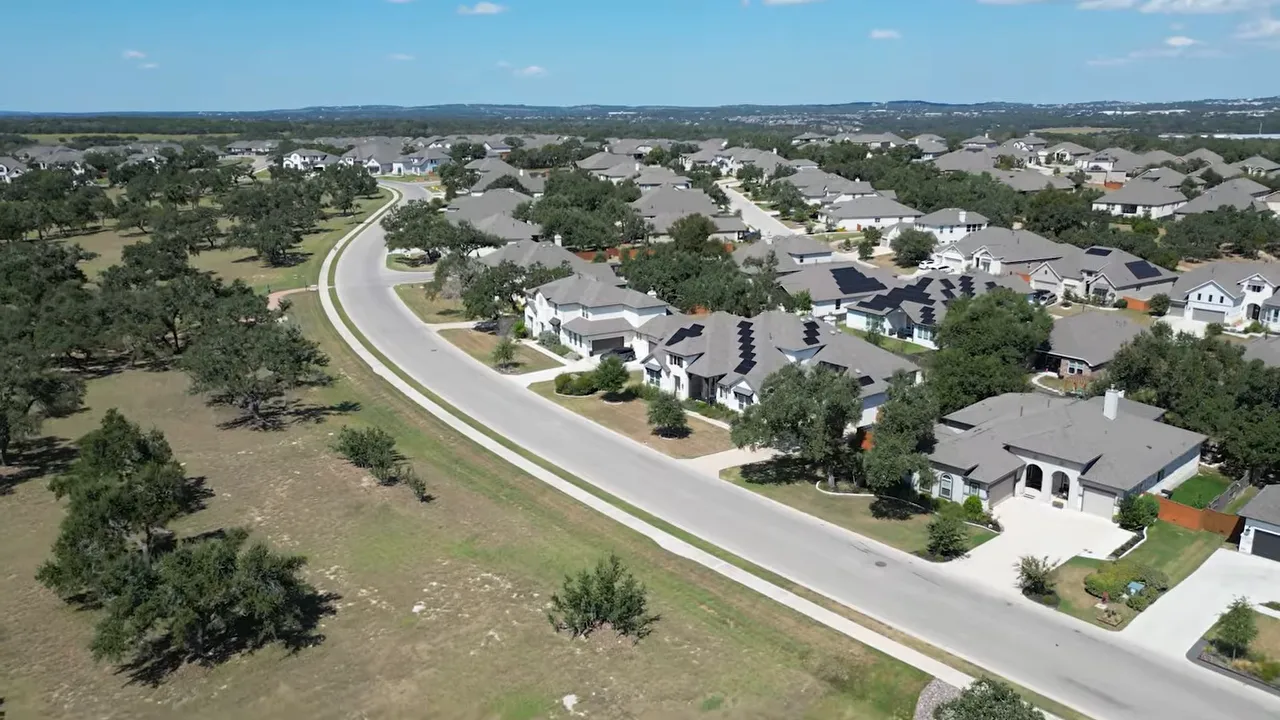
For instance, some neighborhoods are gorgeous and master-planned with amazing builders and homes. But if you specifically want to be close to local coffee shops, cafes, restaurants, and bars, or if you want to bike and walk for daily life and school, a more spread-out master plan area might not fit.
The solution is not just “pick a neighborhood.” The solution is to match your lifestyle priorities to the area’s character.
When you do that well, neighborhood life becomes better fast. When you do it poorly, you can spend time commuting, missing the vibe you expected, or feeling disappointed that your home is not located how you thought it would be.
If you want a better lay of the land overall, use guided neighborhood tours and map-based planning. The neighborhoods side-by-side can feel nothing alike, and that is why education matters.
FAQs About Living in Austin Texas
What are the biggest pros and cons of living in Austin Texas?
The biggest pros include a social, vibrant fitness culture, easy-to-build weekly routines, friendly community connections, and strong weather for much of the year. The biggest cons include Austin being more spread out than expected, weekend crowding at popular spots, hot and dry summers, and the reality that neighborhood fit matters a lot, sometimes leading people to move again.
Is Austin good for people who like fitness and outdoor activities?
Yes. Austin has a strong culture of being active, and it is especially social. You will see groups for biking, swimming, running, and outdoor workouts. If you enjoy both fitness and community, it can be a great match.
How spread out is Austin, really?
Austin can feel more spread out than many newcomers expect. A common local framing is that moving between parts of town often takes around 30 minutes, even when traffic is not the only factor.
Do popular Austin attractions get crowded?
Yes, especially on weekends. Spots like Barton Springs and Zilker area activities can be packed during daytime weekend hours, so off hours tend to be less stressful and more enjoyable.
What is the weather like in Austin?
Summers are hot and also dry, with possible drought periods. The upside is that October through May is often described as ideal patio, swimming, hiking, and biking weather. July and August are typically the hardest months.
Why do so many people move neighborhoods after arriving in Austin?
Because Austin neighborhoods and regions can feel very different from each other. If you choose based mostly on price without matching lifestyle needs like walkability, access to specific spots, and commuting patterns, it is easy to realize you need something else.
Final Thoughts
READ MORE: Why So Many People Love Living in Austin TX (5 SURPRISING Reasons)