Table of Contents
- Introduction to top neighborhoods in Austin, Texas
- North Austin - Wolf Ranch (Georgetown) and upscale alternatives
- West Austin - Headwaters, Calera and Rough Hollow in Lakeway
- South Austin - 6 Creeks (Kyle) and Elliot Ranch
- East Austin - The Colony (Bastrop) and Holly Street
- Central Austin - Mueller and Tarrytown
- How to choose the right Austin neighborhood
- Practical moving tips and budgeting when moving to Austin, Texas
- FAQs about top neighborhoods in Austin, Texas
- Final thoughts on moving to Austin, Texas
Introduction to top neighborhoods in Austin, Texas
Thinking about moving to Austin, Texas means balancing lifestyle, commute, schools, and price. Neighborhood choice shapes daily life more than almost anything else. You can chase great schools, hit a short commute, or find the best value per square foot. You rarely get all three, so knowing the local tradeoffs before making offers or touring homes saves time, money, and stress.
Moving to Austin, Texas is exciting because options are diverse: resort-style master plans, historic inner-city enclaves, family-first suburbs, and lakefront escapes. Below I highlight one sensible pick for each part of town plus an upscale alternative if you have more budget. Every suggestion focuses on real-world pros, cons, commute realities, builders to watch, and price expectations.
North Austin - Wolf Ranch (Georgetown) and upscale alternatives
North Austin drew massive tech growth over the last decade. If you are moving to Austin, Texas and want a short commute to corporate campuses like the Domain, Round Rock, or the tech corridors along Mopac and 183, the northern suburbs are where many people end up. For a family-friendly blend of amenities and builder options, one standout is Wolf Ranch in Georgetown.

Why Wolf Ranch? Wolf Ranch is quintessential family-friendly: schools inside the community, kids everywhere on bikes, multiple amenity centers, and a fitness and pool setup that was even recognized locally. Builders like Perry Homes, Highland Homes, David Weekley, Coventry, and DR Custom Homes build there, so new construction inventory is common and attractive. That also means negotiating power when inventory is up.
Price expectations: Plan on roughly $475,000 on the lower end up to $800,000 or $900,000 for more upgraded homes. Recent deals have shown significant seller flexibility when market conditions allow.
Pros
- Outstanding community amenities and walkable, family-focused design.
- Great builder lineup with varied floorplans and price points.
- Excellent sense of neighborhood and new-construction appeal.
Cons
- Georgetown Independent School District is solid but not consistently top tier compared to central Austin and some West Austin districts.
- Commute to downtown can be 45 minutes plus in peak traffic, so plan accordingly if you need daily downtown access.
Upscale alternative - Cimarron Hills
If you have a larger budget and want more estate-style lots plus resort amenities, Cimarron Hills near Georgetown offers golf course living with tennis, pools, and larger lots. Expect starting prices near $900,000 rising into the $1.6 million to $1.7 million range for premium homes.
Another option - Travisso in Leander
Travisso is a huge, amenity-packed master plan in the Leander area with builders like Toll Brothers building high-quality products. If you're moving to Austin, Texas and prefer northwest locations with roomy amenities, Travisso sits in a similar price band to upscale Georgetown options, roughly $900,000 to $1.5 million for many homes.
West Austin - Headwaters, Calera and Rough Hollow in Lakeway
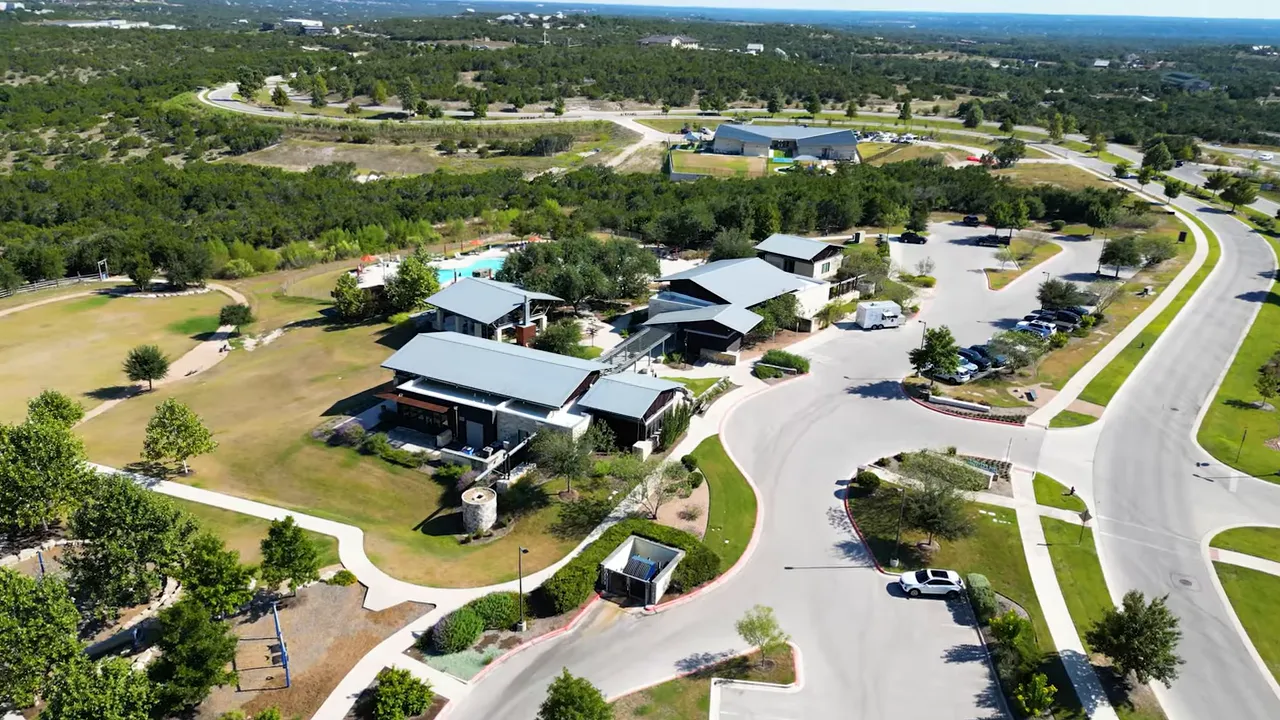
West Austin opens the gateway to the Hill Country. If you picture slower pace, natural scenery, rolling terrain, and upscale schools, this region is a common choice for families who want space and excellent districts without losing access to Austin.
Neighborhood pick - Headwaters (Dripping Springs)
Headwaters blends new construction sensibility with strong family vibes and classic Hill Country scenery. Builders like Toll Brothers and David Weekley have product lines here that feel smart and livable rather than overly big or wasteful. The community offers multiple amenity centers, pools, and kid-first spaces. Dripping Springs ISD typically ranks highly in central Texas school lists, often landing near the top 3, which makes Headwaters an attractive school-driven option.
Price expectations: Expect homes in Headwaters roughly between $650,000 and $950,000 depending on size and finishes.
Pros
- Top-ranked schools through Dripping Springs ISD.
- Authentic Hill Country feel and strong community maintenance.
- Great builder choices and resort-style amenities without the highest-end price tag.
Cons
- Single main commuter corridor, Highway 290, which can bottleneck during peak times.
- Lot sizes in many sections are smaller than the idea of "country living" that some buyers expect.
Upscale alternative - Calera
Calera offers larger lots, higher-end builders, and a more exclusive resort-like atmosphere near Dripping Springs. Plan budgets from about $750,000 to $1.3 million for many homes.
Bonus West Austin option - Rough Hollow in Lakeway
If you want daily lake access, marina amenities, insane pools, trails, and the resort lifestyle of Lakeway, Rough Hollow is a top choice. Prices vary widely depending on waterfront position and upgrades, starting around $900,000 and running well into the $2 million range for premium lots or lakefront properties.
South Austin - 6 Creeks (Kyle) and Elliot Ranch
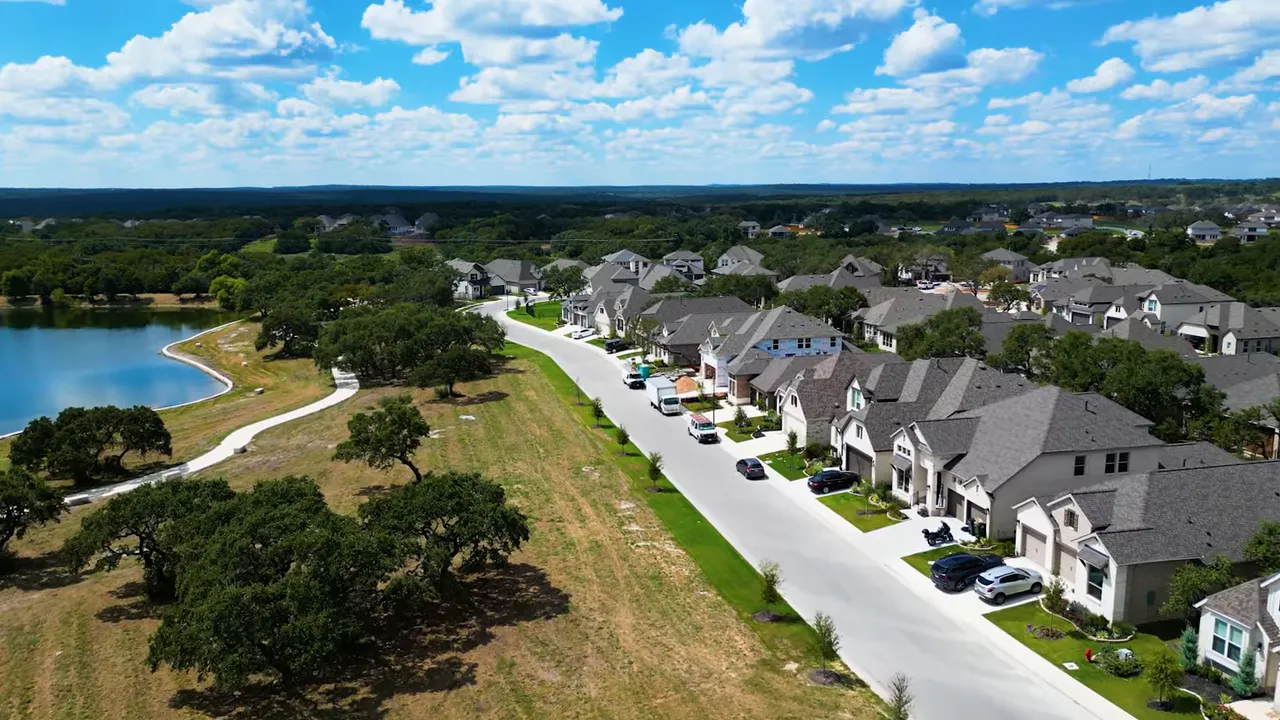
South Austin carries a different vibe: artists, musicians, and a laid-back culture mixed with family-friendly neighborhoods. If you are moving to Austin, Texas for more down-to-earth living while still having access to Austin’s offerings, the south corridor gives great value.
Neighborhood pick - 6 Creeks (Kyle)
6 Creeks is an excellent Perry Homes community with flat terrain, big yards compared to many inner suburbs, and a strong amenity package. This area appeals to buyers who want space for kids to run, affordable square footage, and a true neighborhood feel without the mountain rises of the Hill Country.
Price expectations: Real value here — many homes fall in the $400,000 to $600,000 band, with upgraded builds pushing into the $700,000s.
Pros
- Best price per square foot among family neighborhoods discussed here.
- Strong amenities and a real community feel.
- Great for families who prioritize yard space and affordability.
Cons
- Commute can be challenging via I-35 into central Austin, particularly during peak hours.
Upscale alternative - Elliot Ranch (Buda)
Elliot Ranch is a South Austin classic with larger lots and a more rural character. Expect fewer new builds and more established houses with pricing from about $650,000 to $900,000. If you want acreage-feel living without straying too far from the city, this is a strong pick.
East Austin - The Colony (Bastrop) and Holly Street

East Austin covers a wide range. If proximity to the airport or Circuit of the Americas (F1 track) matters, or you want classic Texas town charm close to Austin, the eastern edge and Bastrop area deserve attention.
Neighborhood pick - The Colony (Bastrop)
The Colony offers gated sections, larger lots, and an almost small-town Texas charm. Bastrop has a proper historic downtown, the Colorado River, and boutique shops that give it a genuine Texas identity rather than a purely suburban one. If you are moving to Austin, Texas and want to feel like you live in Texas rather than right in the middle of the urban core, this area blends both.
Price expectations: New construction can start in the $450,000 to $500,000 range and older established properties range from $800,000 into the low millions for large lots and custom homes.
Cons: Bastrop ISD and nearby school options are mixed and not among the top-ranked in central Texas, so families prioritizing elite schools will want to consider alternatives.
Upscale alternative - Holly Street (East Austin)
For a hip, walkable urban experience in East Austin, the Holly Street corridor just east of I-35 is vibrant, dense, and very walkable. Homes near Holly Street start around $800,000 and quickly rise to $1.5 million for larger or more modern builds. This is where culture, restaurants, and walkability override yard size and lower price.
Central Austin - Mueller and Tarrytown
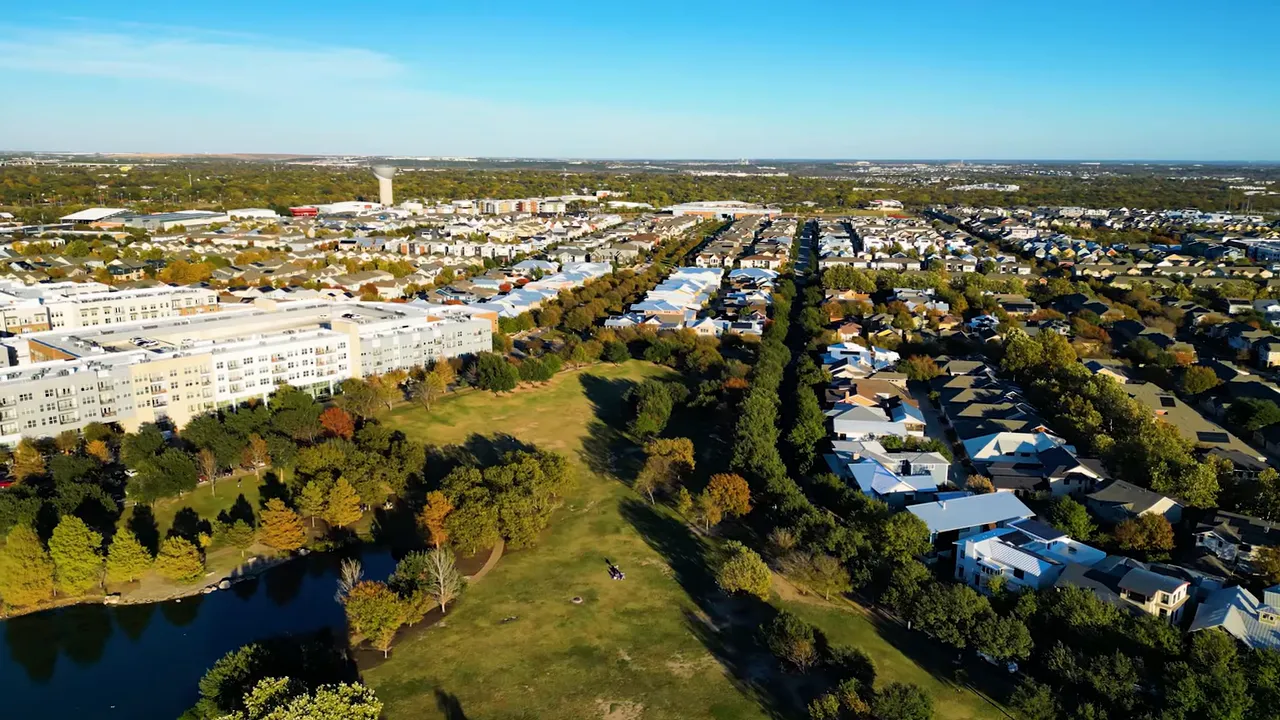
If your priority is minimal commute and city living, central Austin is the way to go. However, living centrally comes at a premium in both price and square foot cost. Expect to pay more for location, walkability, and short commutes.
Neighborhood pick - Mueller
Mueller is central Austin’s most cohesive master plan. It blends condos, townhomes, and single-family homes with parks, retail, pools, and cultural amenities integrated. Mueller gives the feeling of a village close to downtown where you can walk, scooter, or bike to work in many cases. It is safe, community oriented, and built with connectivity in mind.
Price expectations: Typical single-family pricing runs from $700,000 up through a million and beyond. Density is higher and lot sizes are smaller, so expect compact footprints and a premium per square foot.
Pros
- Exceptional walkability and short commutes to downtown employers and the university.
- Integrated retail, parks, and community programming for families and singles alike.
- Strong safety and social options without chaos.
Cons
- Small lot sizes and fewer large yards.
- High price per square foot; larger homes cost significantly more.
Upscale alternative - Tarrytown
Tarrytown sits between Mopac and Lake Austin and represents aspirational central Austin living: large historic bungalows, modern estates, and frequent celebrity or political residents. Plan on at least $1.5 million to start and costs can rise into multi-million dollar territory quickly for lake-adjacent properties.
How to choose the right Austin neighborhood
There is no one-size-fits-all answer, but a simple framework helps: pick the two priorities you care about most and be willing to compromise on the third. People usually want three things: a good price, a good commute, and family friendliness. You can realistically get two very well, but rarely all three without significant budget flexibility.
Usually people want three main things. They want a good price, a good commute, and family friendliness. You get to pick two.
Ask yourself these direct questions:
- How many hours a week do I accept spending in the car?
- Are top-ranked schools non-negotiable?
- Do I prefer new construction with amenities or an established neighborhood with larger lots?
- How important is walkability and daily social activity versus privacy and yard space?
Use your answers to map neighborhoods to your priorities. For example, if you value schools and a resort-style lifestyle, West Austin's Dripping Springs pockets make sense. If you need value and yard space, 6 Creeks or Wolf Ranch deliver.
Practical moving tips and budgeting when moving to Austin, Texas
Some practical tips to make relocation smoother:
- Drive the commute at peak times- nothing replaces firsthand experience of morning and evening traffic.
- Visit schools or review recent performance- ISD boundaries matter, and one street can change your school assignment.
- Factor in property tax and HOA dues- HOA fees can be substantial in master-plan communities with multiple amenity centers.
- Ask about builder incentives and inventory- new construction markets fluctuate and motivated builders provide real opportunities.
- Plan for insurance costs- depending on location (flood zones, lake proximity), insurance varies.
- Be realistic about square footage needs- central Austin sacrifices yard size; suburbs offer more space for less money.
If you need help figuring out the top Austin neighborhoods for your needs, I can help—call or text me at (512) 855-2713. I’m happy to answer questions, walk you through neighborhood options, or schedule tours.
FAQs about top neighborhoods in Austin, Texas
Which neighborhood is best for families when moving to Austin, Texas?
Several strong family neighborhoods exist. Wolf Ranch in Georgetown, Headwaters in Dripping Springs, 6 Creeks in Kyle, and Mueller in central Austin all offer family-focused amenities. Your choice should balance schools, commute, and yard size.
What should I budget for a single-family home if I am moving to Austin, Texas?
Expect wide variability. Many central Austin single-family homes start around $700,000 and go high. Suburban family neighborhoods often range from $400,000 to $900,000. Upscale or lakefront properties can exceed $1 million to multiple millions.
Is commuting from Georgetown or Dripping Springs realistic for daily downtown work?
Yes, but plan for longer commute times. Georgetown to downtown can be 45 minutes one way in peak traffic. Dripping Springs relies heavily on Highway 290, which can be heavily congested during rush hour. Consider hybrid or flexible schedules if you choose these suburbs.
Are there affordable options for people moving to Austin, Texas who work downtown?
Mueller and certain pockets near central east Austin offer smaller homes or townhomes with walkable access to downtown. Prices are still premium, but you can find condos and townhomes closer to $400,000 to $600,000 depending on timing and inventory.
How important are builders when choosing a neighborhood during a move to Austin, Texas?
Builders matter for new construction neighborhoods. Reputable builders influence resale value, construction quality, and available floor plans. In hot markets, builder inventory and incentives can also impact affordability.
Final thoughts on moving to Austin, Texas
Moving to Austin, Texas is about matching lifestyle priorities to neighborhoods. Whether you chase the Hill Country calm, the lakefront resort life, family-first master plans, or the pulse of central Austin, each option has tangible tradeoffs. Identify your top two priorities, test commutes, and weigh school boundaries before making offers.
Every neighborhood mentioned here offers a distinct vision of life in the Austin area. If you want to live near great schools and hill country views, head west. If budget and yards matter more, look south or north. If walkability and a short commute are essential, central neighborhoods like Mueller or Tarrytown are where you start.
These neighborhood picks will help you narrow the search and align expectations. Happy house hunting and welcome to the adventure of moving to Austin, Texas.
Read More: Moving to Austin Texas: 10 Costly Mistakes to Avoid