Moving to Austin, Texas suburbs is about tradeoffs. You trade closeness for space, nightlife for calm, instant access for planned trips. If you want to know whether those tradeoffs are worth it, identify your nonnegotiables now. Do you need a 20–30 minute drive to downtown? Or is a bigger house and safer streets more important?
Table of Contents
- Introduction: What to Expect When Moving to Austin, Texas Suburbs
- 1. Proximity to Downtown Austin and Cultural Hotspots: What You Need to Know
- 2. Interior Space vs. Lot Size: The Tradeoff of Austin, Texas Suburbs
- 3. Walkability and Daily Convenience in Austin Suburbs: How to Evaluate
- 4. Commute Times and Traffic Realities in Austin, Texas Suburbs
- 5. Cost Per Square Foot and Value in Austin Suburbs: What You Get for Your Money
- 6. School Districts and Family Amenities in Austin Suburbs: A Complete Guide
- 7. Community Vibe and Nightlife in Austin Suburbs: Finding the Right Fit
- 8. Car Dependence and Infrastructure in Austin, Texas Suburbs: What to Consider
- 9. HOA Rules and Builder Practices in Austin Suburbs
- 10. Future Growth, Resale, and Development in Austin Suburbs: What’s on the Horizon
- How to Decide Whether Moving to Austin, Texas Suburbs Is Right for You
- Practical Touring Tips When Evaluating Suburbs in Austin, Texas
- Case Study Snapshot: Comparing Kyle and Buda, Austin Area Suburbs
- Final Practical Advice for Moving to Austin, Texas Suburbs
- FAQs About Moving to Austin, Texas Suburbs
- Closing Thoughts: Is Moving to Austin Suburbs Right for You?
Introduction: What to Expect When Moving to Austin, Texas Suburbs
Thinking about moving to Austin, Texas suburbs means weighing big lifestyle choices. When you picture life outside the city, you might imagine more square footage, quieter streets, and family-friendly neighborhoods. Those gains are real. But you also give up things that make Austin feel like Austin — proximity to concerts, favorite restaurants, and the spontaneous energy of downtown. This guide lays out the top 10 tradeoffs of moving to Austin, Texas suburbs and gives practical tips so you can decide what matters most for your next move.

VIEW HOMES FOR SALE IN AUSTIN, TX
1. Proximity to Downtown Austin and Cultural Hotspots: What You Need to Know
Move farther out and you inevitably give up proximity. That means longer drives to downtown, Barton Springs, Zilker Park, ACL and South by Southwest events, and many of the restaurants and barbecue spots that define the city.
If proximity is a major part of why you moved to Austin originally, living in the suburbs changes how often you can realistically participate in downtown culture. Weekend plans that used to be a 10-minute walk can become an hour-long round trip.
That said, not all suburbs are equally distant. Two neighboring towns can be very different in commute time. For example, Kyle sits about 45 minutes to an hour from downtown Austin, whereas Buda — just north of Kyle — can shave off 15 to 20 minutes while offering similar home prices.
Tip: Make a list of the places you visit most often. Use real driving times during the hours you would be traveling (commute hours and weekend evenings) to see which suburbs keep you within an acceptable range.
2. Interior Space vs. Lot Size: The Tradeoff of Austin, Texas Suburbs
One of the biggest reasons people are moving to Austin, Texas suburbs is space — especially interior square footage. Builders in suburban neighborhoods often deliver larger floor plans for the same or lower price than comparable homes inside the city.
Neighborhoods like 6 Creeks in Kyle show this well: amenity-rich communities with big, modern homes and excellent family-focused features. You usually get more rooms, bigger master suites, and additional living areas that are harder to find in central Austin.
However, suburban lots can be paradoxical. Many newer subdivisions maximize the footprint of the house at the expense of lot size, so yards might be smaller than you’d expect even while interior space grows.
Tip: If interior space is your priority but a big yard is not, moving to a suburb can be a huge value win. If outdoor space matters, compare lot sizes closely and tour corner lots or older custom builds where lots tend to be larger.
3. Walkability and Daily Convenience in Austin Suburbs: How to Evaluate
Walkability is a phrase that gets used a lot, but it means different things to different people. Some want sidewalks and a quick walk to coffee; others want a downtown-feel where entertainment is a short stroll away.
Most Austin suburbs are less walkable in the downtown sense. You’ll find neighborhood pools, parks, and sometimes a mixed-use strip center within walking distance, but the breadth of daily errands — grocery, dentist, restaurants, live music — usually requires a short drive.
Tip: Ask yourself what you consider a walkable amenity. If it’s “a grocery store within a five-minute walk,” then verify that. If it’s “a life where I can walk to events nightly,” a suburb may not meet that standard unless you choose a specific walkable town center.
4. Commute Times and Traffic Realities in Austin, Texas Suburbs
Distance in miles is a poor proxy for commute quality. Traffic patterns, two-lane state highways, and limited arterial roads can turn a short trip into a long one. Moving to Austin, Texas suburbs often means planning around commute windows.
Commute times can also be directional. Some suburbs have heavy inbound traffic in the morning and lighter outbound flow in the evening, or vice versa. Consider public transit options, but be realistic — many suburbs have limited transit coverage.
Tip: Time your prospective commute in peak traffic and off-peak hours. A weekday test run will tell you more than estimates on a map app.
5. Cost Per Square Foot and Value in Austin Suburbs: What You Get for Your Money
One immediate benefit of moving to Austin, Texas suburbs is cost per square foot. You’ll generally get more house for your money, newer construction, and community amenities like pools and playgrounds.
But cost isn’t just the purchase price. Consider higher fuel costs, maintenance on a larger home, property taxes, and possibly higher homeowner association fees for community amenities and landscaping standards.
Tip: Build a monthly budget that includes commute costs, HOA dues, utilities for a larger home, and property tax estimates. Compare that to the cost of living in-town to see the true financial tradeoff.
6. School Districts and Family Amenities in Austin Suburbs: A Complete Guide
Family priorities often drive moves to the suburbs. Many buyers choose suburbs for perceived better schools, playgrounds, and a neighborhood environment that feels safe and family-centric.
Research school districts early. Suburban school quality varies, and attendance zones can change. Neighborhoods built around elementary schools and local parks provide convenient family life, but check actual ratings and tour schools where possible.
Tip: If schools are a high priority, contact the district for enrollment rules, tour schools, and talk to parents in the neighborhood to get a feel for extracurricular offerings and community involvement.
7. Community Vibe and Nightlife in Austin Suburbs: Finding the Right Fit
If your social life depends on frequent live music, late-night restaurants, or spontaneous downtown outings, moving to Austin, Texas suburbs may change that rhythm. Suburban life often means planning evenings out ahead of time rather than walking to a show last minute.
That tradeoff can be a benefit for families or people who prefer a quieter evening routine. But it is a real cultural shift for anyone used to the city’s 24/7 personality.
Tip: Decide how often you want to be in the city and whether that frequency fits with longer drives. Some people adopt a hybrid approach: living in the suburbs during the week and spending weekends in-town.
8. Car Dependence and Infrastructure in Austin, Texas Suburbs: What to Consider
Outside the city core, car ownership becomes more of a necessity. Sidewalks, bike lanes, and frequent public transit are less common, and errands are usually spread out.
Consider whether your household is comfortable managing multiple cars, longer gas expenses, and scheduling for carpools or after‑school activities if you have kids.
Tip: Look at the neighborhood layout. Some suburbs are designed with connected streets and sidewalks that support walking for short errands. Others are car-first with limited pedestrian infrastructure.
9. HOA Rules and Builder Practices in Austin Suburbs
Many suburban developments are governed by homeowner associations with rules about exterior appearance, landscaping, and even holiday decorations. New construction neighborhoods often have consistent design standards and shared amenities.
Some buyers love the tidy, uniform look and predictable maintenance. Others find restrictive covenants limiting. New builders also have standard options and upgrades that can limit customization without paying extra.
Tip: Read HOA covenants before you make an offer. Ask about special assessments and common-area maintenance. If customization matters, consider resale homes or custom builds on larger lots.
10. Future Growth, Resale, and Development in Austin Suburbs: What’s on the Horizon
Suburbs near growing employment centers or with planned infrastructure projects often appreciate well. But rapid growth can mean more congestion and new construction near your home that changes the neighborhood character.
Look at planned developments, road expansions, and zoning changes. Being on the leading edge of growth can be an investment opportunity or a source of long-term noise and traffic.
Tip: Check city and county planning maps and talk to long-time residents or local agents to understand what’s planned for the next 5 to 10 years.
Final Practical Advice for Moving to Austin, Texas Suburbs
Use this decision checklist. Rank each item from 1 to 5 based on importance to your life:
- Commuting time you will tolerate
- Interior space versus outdoor space
- Walkability needs
- School and family priorities
- Budget, taxes, and HOA tolerance
- Nightlife and cultural access
- Desire for quiet and community feel
If your highest priorities align with space, family amenities, and a quieter pace, moving to Austin, Texas suburbs will likely be worth the tradeoffs. If proximity, nighttime energy, and walk-to-everything culture are nonnegotiable, staying closer to the city is a better fit.
How to Decide Whether Moving to Austin, Texas Suburbs Is Right for You
- Tour at different times: check mornings, evenings, and weekend traffic patterns.
- Walk the neighborhood: sidewalks, lighting, and pedestrian routes matter.
- Check commute routes: use your actual workplace address for drive-time tests.
- Visit nearby amenities: grocery stores, clinics, gas stations, and coffee shops.
- Talk to neighbors: their experiences reveal daily reality beyond listings.
Practical Touring Tips When Evaluating Suburbs in Austin, Texas
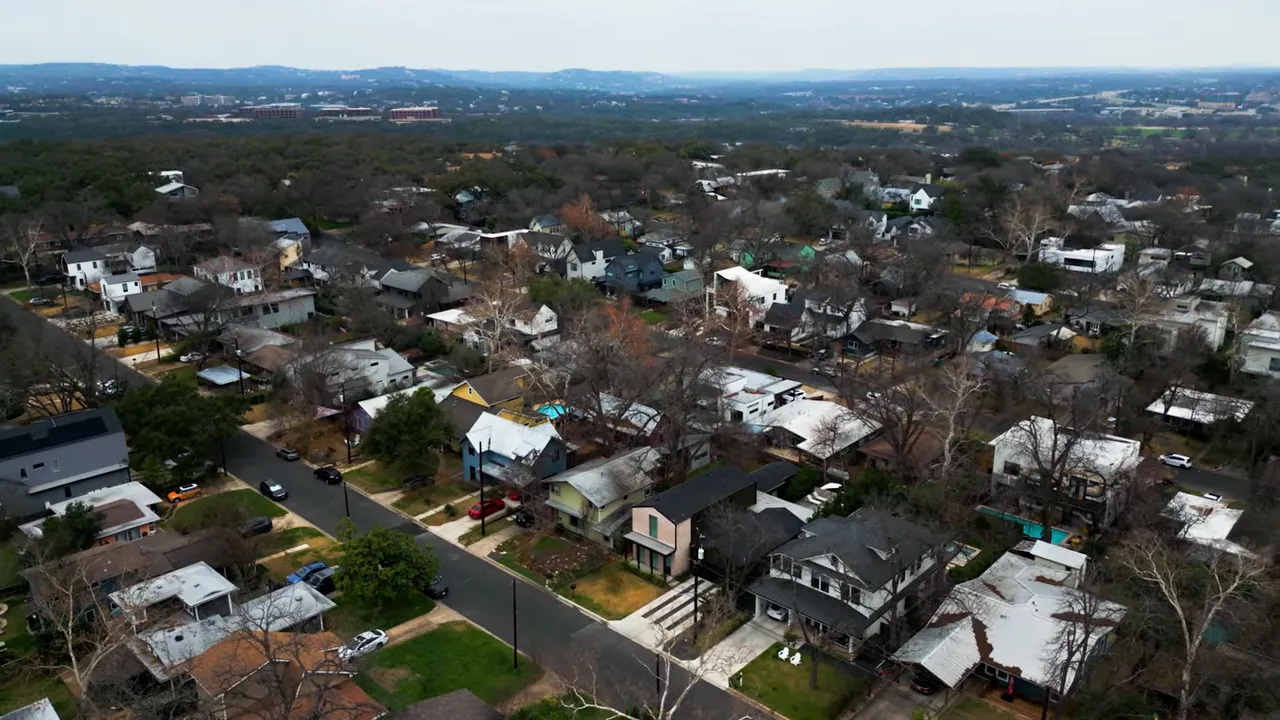
Kyle shows why proximity matters in practical terms. It offers strong family neighborhoods, new construction, and attractive prices, but sits further from downtown. Buda, just north of Kyle, can be a strategic alternative because it often keeps you closer to Austin while the price difference may be small.
These micro-choices — which suburb, which street, which lot — often determine whether moving to Austin, Texas suburbs feels like freedom or friction. Spend time comparing towns that appear similar on a map; small location differences can make a large lifestyle impact.
Case Study Snapshot: Comparing Kyle and Buda, Austin Area Suburbs
Moving to Austin, Texas suburbs is a lifestyle decision as much as a financial one. Be honest about what you will miss and what you will gain. Make lists instead of relying on impressions, test commutes, and tour neighborhoods more than once. That process will reveal whether the suburban tradeoffs align with your life stage and long-term goals.
If you decide to move forward, focus on neighborhoods that match your top priorities: commute, schools, walkability, or lot size. If you want a balance, target suburbs that are nearer to the city or that have a strong town center with walkable amenities.
VIEW HOMES FOR SALE IN AUSTIN, TX
FAQs About Moving to Austin, Texas Suburbs
Is moving to Austin, Texas suburbs worth it?
It depends on priorities. If you value larger interior space, family amenities, and a quieter neighborhood, moving to Austin, Texas suburbs often offers strong value. If easy, frequent access to downtown culture is essential, staying closer to the city might be a better fit.
How far are common Austin suburbs like Kyle and Buda from downtown?
Kyle is typically 45 minutes to an hour from downtown depending on traffic. Buda is just north of Kyle and can be about 15 to 20 minutes closer to downtown while offering similar price points.
Will moving to Austin, Texas suburbs get me better schools?
Many families find that suburban districts offer strong school options, but quality varies by neighborhood. Investigate district ratings, tour schools, and confirm attendance zones before deciding.
Are Austin suburbs walkable?
Walkability varies. Some suburban town centers are walkable for basic errands, but most suburbs are more car-dependent than central Austin. Define what walkability means for you and check specific neighborhoods.
What hidden costs should I expect when moving to Austin, Texas suburbs?
Consider increased commute expenses, larger utility bills, HOA dues, property taxes, and potential maintenance for a larger home. Factor these into your monthly budget before committing.
How do I test whether a suburb is right for me?
Do timed commute tests, visit at different times of day, walk local streets, check amenities, and talk to current residents. Rank what matters most to you and compare it to what each suburb offers.
Closing Thoughts: Is Moving to Austin Suburbs Right for You?
Choosing to move to Austin, Texas suburbs is about shaping your daily life intentionally. The tradeoffs are real, but they are manageable when you enter the process with clear priorities and facts. Whether you prioritize space, schools, or city energy, the right suburban choice exists — you just have to match the neighborhood to the life you want to live.
Ready to find the Austin suburb that fits your lifestyle? Call or text us now at (512) 855-2713 to get tailored neighborhood options and schedule a tour. You can also visit our site to browse listings and book a free consultation.
READ MORE: What $700K Buys You in Austin Texas Real Estate: City vs Suburbs