Table of Contents
- Introduction
- 1. Not understanding school districts
- 2. Assuming all of Austin is politically homogenous
- 3. Underestimating property taxes
- 4. Thinking North, South, East, or West Austin does not matter
- 5. Believing close on a map equals close in real life
- 6. Assuming new builds are always better
- 7. Expecting Austin to feel like a big city everywhere
- 8. Not researching future development around the property
- 9. Not preparing for summer heat
- 10. Skipping the guidance of a local expert
- Conclusion
- Frequently asked questions
Introduction
If you are moving to Austin Texas, congratulations. This region blends live music, green spaces, and a booming job market in ways that draw people from across the country. That said, excitement without preparation can get expensive and stressful. I meet families who love Austin but regret certain choices they made when relocating. The differences between neighborhoods, school zoning, taxes, and future development are real and can reshape daily life faster than you expect.
Below are the ten most common, costly mistakes people make when moving to Austin Texas, explained plainly with actionable steps to avoid them. Think of this as a practical playbook so the move enhances your life instead of creating surprise headaches.
1. Not understanding school districts
One of the biggest surprises for people moving to Austin Texas is how strict school zoning can be. In many places around the U.S., parents shift kids between schools with relative ease if they are willing to commute. In Austin and the surrounding suburbs, where you buy determines where your children can attend public school.
Each property is assigned to a specific school district and then to a particular elementary, middle, and high school. Transfers within a district are sometimes possible, but transfers across separate districts are not. That means if you want your child to attend a school in Round Rock or Leander, you need to live in the district that serves that campus.

Practical steps
- Before making an offer, confirm the exact school zone for the property. Don’t assume district boundaries match county lines or town borders.
- Speak directly to the school district’s enrollment office about transfer policies and wait list procedures.
- If public schools are a priority, center your search on homes inside the district you want rather than hoping transfers will work later.
2. Assuming all of Austin is politically homogenous
Austin has a reputation as a liberal town, and much of central Austin certainly skews that way. But the metro area is politically varied. Suburban pockets can be quite conservative, and communities around Lake Travis, Lakeway, and parts of Georgetown or Cedar Park may surprise newcomers.
For many people, political culture matters. Neighborhood politics influence local planning, school board elections, HOA rules, and community events. If you are moving to Austin Texas and expect the entire region to feel like downtown Austin, you may end up in a place that simply does not align with your social or civic expectations.
Practical steps
- Visit neighborhoods at different times of the day and week to get a clearer sense of culture and civic life.
- Ask local residents about community organizations, festivals, and meeting places to gauge whether the area fits your values.
- Remember that Texas is diverse; political labels in one part of town do not paint the whole region.
3. Underestimating property taxes
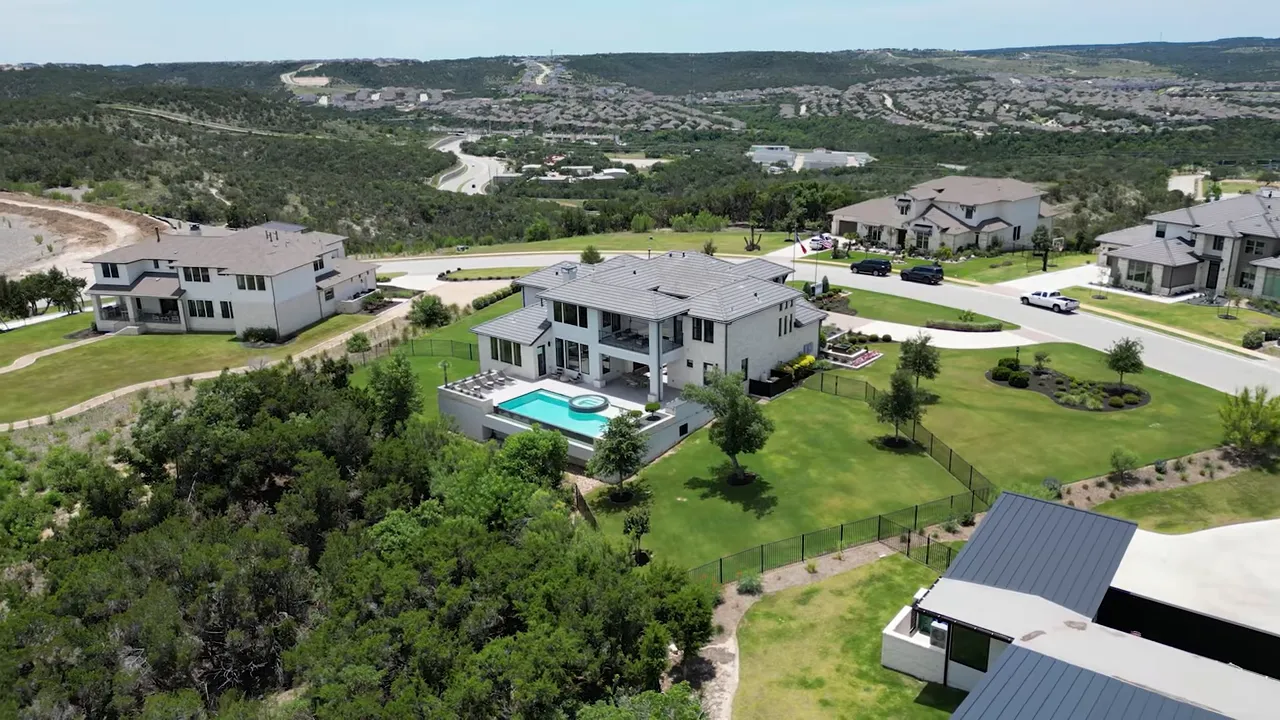
Property taxes in the Austin area are one of the most tangible financial differences for newcomers. Many parts of Central Texas have effective property tax rates between 2 and 3 percent of assessed value. On a midrange home, that becomes a significant annual bill.
For example, a $700,000 house with a 2 percent effective rate has about $14,000 in annual property taxes. At 3 percent, that jumps to $21,000 a year. That is additional to mortgage principal and interest, insurance, HOA dues, and routine maintenance.
Texas makes up for no state income tax, which helps many households. But when planning budgets for housing costs, include property taxes in monthly affordability calculations so you do not find yourself financially stretched after the move.
Practical steps
- Ask the seller or listing agent for the last tax bill and recent appraisal history.
- Work with your mortgage lender to build a complete monthly payment estimate that includes taxes and insurance.
- Explore property tax exemptions you may qualify for, such as homestead exemptions or age-based relief programs.
4. Thinking North, South, East, or West Austin does not matter
Austin is a city made of neighborhoods with different vibes and practical tradeoffs. North Austin leans corporate and tech-driven; East Austin tends to be more urban and experimental; South Austin skews laid back and eclectic; West Austin often feels upscale and suburban. Where you land shapes commute time, daily amenities, restaurant choices, and the feel of your block.
If you are moving to Austin Texas and select a neighborhood by a single metric like price or perceived proximity on a map, you risk landing somewhere that does not match how you want to live.
Practical steps
- Write a list of non-negotiables: walkability, green spaces, nightlife, school quality, commute preferences.
- Spend time in candidate neighborhoods during rush hour and on weekends to test daily life rhythms.
- Use local guides or agents who can explain micro-neighborhood differences rather than relying on town-level descriptions alone.
5. Believing close on a map equals close in real life
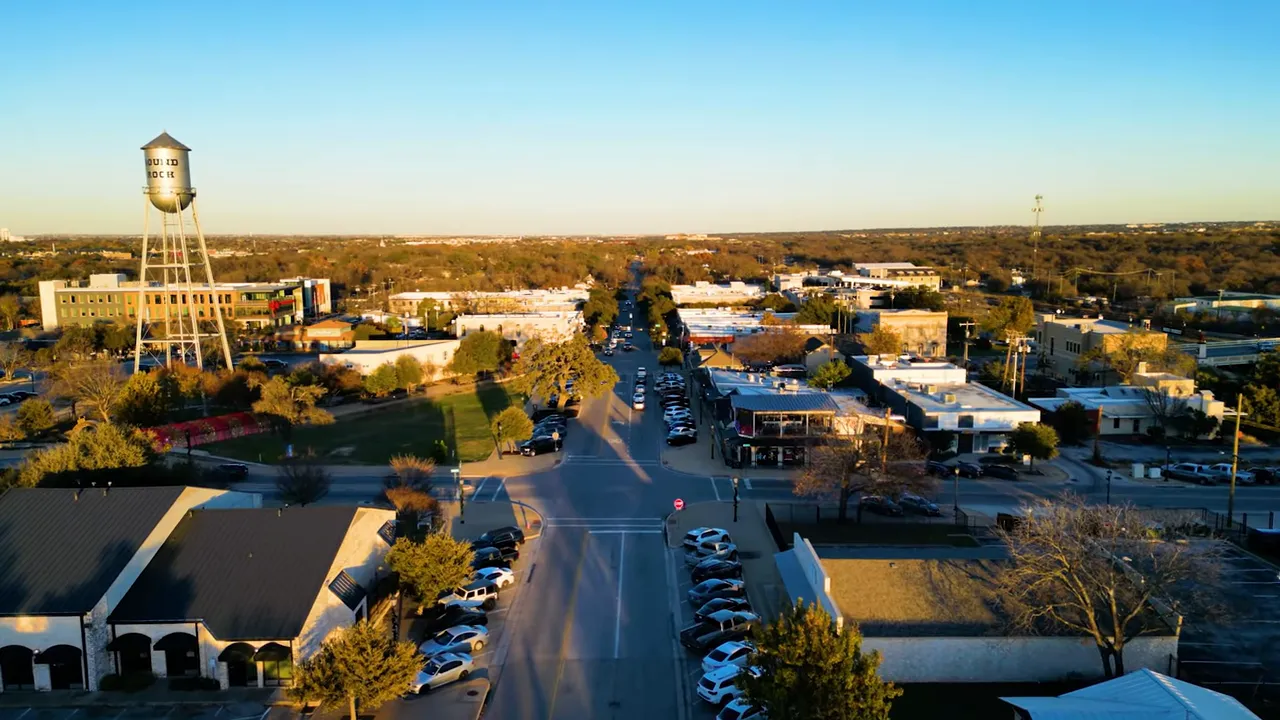
Maps lie when it comes to commute time. Freeways like I-35 and MoPac, and key arterials such as 183, can be congested for long stretches of the day. A neighborhood that looks 10 miles from downtown might take 45 minutes to reach during peak hours.
If you accept a long daily drive before you fully understand commute patterns, your quality of life can erode quickly. Many people moving to Austin Texas underestimate how time-consuming driving can become here.
Practical steps
- Drive your intended commute during real rush hours before signing a lease or purchase agreement.
- Consider proximity to multiple routes and not just the straight-line distance to work.
- Factor in potential traffic delays for school runs, grocery trips, and weekend plans.
6. Assuming new builds are always better
New construction has many perks: warranties, modern layouts, and energy systems. But limiting your search to new builds can cut you off from established neighborhoods that offer larger lots, mature trees, and closer proximity to jobs and downtown amenities.
Many new subdivisions are farther from dense job centers. If you are moving to Austin Texas and prioritize being near work or nightlife, consider older neighborhoods where homes may need cosmetic updating but deliver better location value.
Practical steps
- Compare commute times and lifestyle tradeoffs between brand-new communities and older established areas.
- Budget for potential renovation costs if an older home gets you into the right neighborhood.
- Think long term about resale value: location often wins over new finishes.
7. Expecting Austin to feel like a big city everywhere
Austin’s core delivers many big-city amenities: restaurants, music venues, and walkable neighborhoods. Yet step outside the core and you may find classic suburban America—quiet streets, strip malls, and car-dependent daily routines.
People moving to Austin Texas from large coastal cities often assume suburbs like Cedar Park or Round Rock will feel like downtown. They do not. If urban living is important, choose neighborhoods within or immediately adjacent to central Austin.
Practical steps
- Decide whether you want walkable urban life or suburban space and set search criteria accordingly.
- Visit potential homes at night and during the weekend to see how walkability and evening life feel.
- Plan for lifestyle tradeoffs: more yard and space often means less dining and music within walking distance.
8. Not researching future development around the property
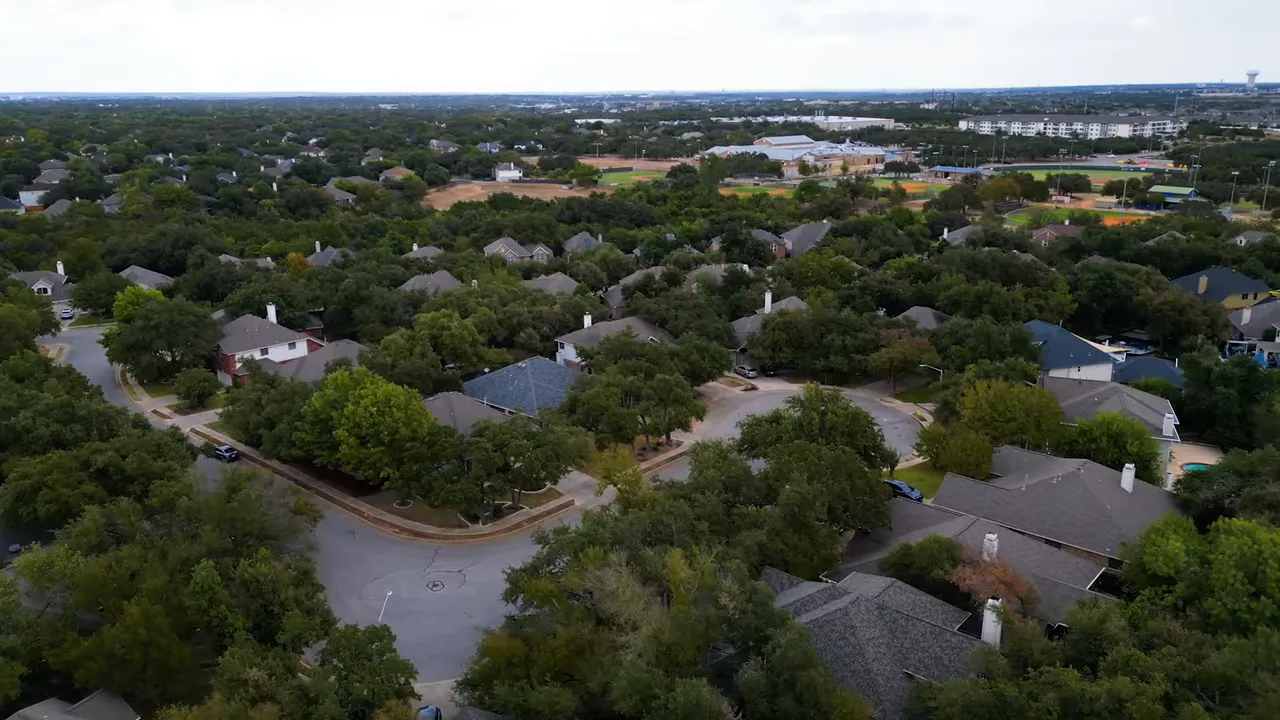
A serene backyard view today can become a loud industrial site tomorrow. Always research land ownership and zoning for adjacent parcels when you consider a property. A family I know moved into a home that backed up to what appeared to be protected green space. A year later the property was sold and turned into a noisy fabrication site, and resale value dropped as a result.
Such surprises are avoidable through due diligence. Public land, city-owned preserves, and conservation easements offer more stability than privately held vacant lots with unclear plans.
Practical steps
- Check the county tax records to identify the owner of undeveloped land next to the home.
- Review local zoning maps and future land use plans available from city planning departments.
- Ask neighbors and the seller about any known proposals or historical uses for nearby parcels.
9. Not preparing for summer heat
Austin summers are long, often with months of temperatures over 100 degrees and high humidity. For people moving to Austin Texas from northern climates, a few hot days are not the same as a season-long heat cycle.
Heat affects your daily choices: outdoor time with children, energy bills, landscaping, and even where you choose to park. Thankfully, Austin offers abundant swimming spots and natural springs for relief, but home systems like efficient HVAC and shaded outdoor spaces matter a lot.
Practical steps
- Inspect HVAC systems and insulation before purchase; factor any replacement into your budget.
- Prioritize homes with shade trees and consider landscaping that reduces heat load.
- Learn where public swimming holes and recreation centers are near your new neighborhood.
10. Skipping the guidance of a local expert
Trying to move to Austin Texas without local guidance is possible, but costly mistakes are common. Local agents and guides know school boundaries, neighborhood microclimates, traffic choke points, and how future development is likely to unfold. They can steer you away from sudden pitfalls and toward neighborhoods that match your priorities.
A local guide does not make the decision for you, but they supply the context you cannot get from a map or a listing alone. That context saves time, money, and stress during a major life move.
Practical steps
- Work with a local real estate professional who specializes in relocations and can provide neighborhood tours.
- Ask for references from recent relocations to understand how your agent handled similar priorities.
- Use local resources like city planning sites, school district maps, and community groups to verify what you are told.
If you don’t have an agent yet and are planning a move, I can help. I specialize in relocations across the Austin area and will guide you through schools, taxes, commute tradeoffs, and future development so you avoid costly surprises. Call or text me anytime at (512) 855-2713 to get started — I’d be happy to set up a free consultation and a custom neighborhood tour.
Conclusion
Moving to Austin Texas brings opportunities and tradeoffs. Success is less about luck and more about informed decisions. Prioritize what matters most to your family—schools, commute, political culture, taxes, or outdoor life—and use the practical steps above to keep surprises to a minimum.
The most common regrets come from assumptions: that all of Austin is the same, that a lot on a map will stay green forever, or that commuting will be easy. Avoid those assumptions and you will give yourself the best shot at a happy, long-term move.
VIEW HOMES FOR SALE IN AUSTIN, TEXAS
FAQs About Moving to Austin, TX
How do school district boundaries affect home choice when moving to Austin Texas
School district boundaries determine which campuses children may attend. Transfers across districts are generally not permitted, and transfers within districts are limited. If public schools are important, buy inside the district you want rather than assuming you can switch later.
What can I expect to pay in property taxes in the Austin area
Property taxes vary but commonly fall between 2 and 3 percent of assessed value. On a $700,000 home, that equates to roughly $14,000 to $21,000 per year. Include taxes in monthly affordability calculations and ask about exemptions that might lower your bill.
Are all parts of Austin politically similar
No. Central Austin tends to be more liberal, while many suburbs and outlying communities are conservative. Visit neighborhoods and speak with locals to find a community that fits your expectations and values.
Is new construction a better option when moving to Austin Texas
New homes have advantages like warranties and modern layouts, but they are often farther from job centers. Older neighborhoods can offer better location value and mature landscapes. Compare tradeoffs based on commute and lifestyle priorities.
How can I avoid unexpected development behind my future home
Research property ownership, consult county tax records, and review zoning and future land use maps. If adjacent land is privately owned and not conserved, ask questions and factor potential development into your decision.
What are practical steps to prepare for Austin summers
Ensure efficient HVAC and good insulation, prioritize shade and water access, and learn nearby cooling and recreation options. Factor higher cooling costs into the household budget and choose landscapes that reduce heat absorption.
Read More: Best Places to Live in Austin Texas – Where Should YOU Live?