Thinking about moving to Austin? You are not alone. Families, remote workers, healthcare professionals, entrepreneurs, and people who just want more sunshine are packing up and relocating here every week. This guide lays out the top 11 reasons people give when moving to Austin and breaks down what to expect—from schools and jobs to lifestyle and neighborhoods—so you can decide if moving to Austin makes sense for you and your family.
Below you’ll find an organized look at each reason, practical tips, and where to look depending on your priorities. If your plan is moving to Austin with kids, with a job transfer, or just for a change of pace, this article will help you narrow down the possibilities.
Table of Contents
- 1. Top-rated school districts (why families say moving to Austin is about schools)
- 2. More space without sacrificing city conveniences
- 3. Jobs are still a major reason people are moving to Austin
- 4. Outdoor lifestyle and year-round sunshine
- 5. A strong sense of community and Texas hospitality
- 6. Cost of living and housing value (you can get more for your money)
- 7. Austin is a genuinely great place to raise kids
- 8. You get nature and culture in the same city
- 9. Many people move to Austin to be near family
- 10. Momentum, startups, and opportunity
- 11. A slower, less chaotic pace of life that still has excitement
- How to choose the right neighborhood when moving to Austin
- Quick moving-to-Austin checklist
- Common misconceptions when moving to Austin
- Final thoughts on moving to Austin
- FAQs About Moving to Austin
- Need help narrowing things down?
1. Top-rated school districts (why families say moving to Austin is about schools)
One of the first reasons parents tell me when moving to Austin is the schools. Around the metro area there are pockets of exceptional school districts where academic performance, extracurriculars, and college prep are all strong.
Five districts stand out:
- Westlake (Eanes ISD) — widely regarded as the top district; expect premium home prices.
- Lake Travis ISD — excellent academics and activities; higher price point but less than Westlake in many cases.
- Dripping Springs ISD — great ratings and a bit more affordable than the very top suburbs.
- Leander ISD — strong schools at a more approachable price.
- Round Rock ISD — consistent performance and very family friendly.
Important local rule: Texas schools are largely attendance-zone based. If you’re moving to Austin with kids, you need to check the exact elementary, middle, and high school zones for a specific address. Transfers are possible in some cases, but do not rely on them. Make sure your chosen home is zoned to the schools you want your children to attend.
2. More space without sacrificing city conveniences
One of the most common surprises for people moving to Austin is how much home and outdoor space their budget buys here.
Compared to dense cities where yards are rare, in Austin you can often get a four-bedroom house with multiple living spaces, a decent yard, and neighborhood amenities (pool, amenity center, pickleball courts) without being isolated in the middle of nowhere. That hybrid of suburban space and quick access to urban amenities is a major pull when moving to Austin.

Commuting times also feel generous to people coming from cities with long daily rides. A 30–35 minute downtown commute here often gets laughed off by people relocating from places where an hour-plus commute is normal.
3. Jobs are still a major reason people are moving to Austin
Even during tech cycles and headlines about layoffs, Austin’s economy remains broad and active. People move to Austin for:
- Tech transfers and startups
- Healthcare hiring —doctors, nurses, therapists
- Education and university roles
- Government and state jobs(it’s the state capital)
- Remote work relocations —people who can work from anywhere choose Austin for lifestyle
If your reason for moving to Austin is career-driven, the market still offers solid opportunities across multiple sectors, not just one industry. That makes the local job market resilient.
4. Outdoor lifestyle and year-round sunshine
For many, moving to Austin is about the ability to live outdoors most of the year.
From neighborhood parks to rivers, creeks, and natural springs, the area is full of places to swim, paddle, hike, bike, and play. Families become spontaneous on sunny days—packing swimsuits and towels because it's normal to stop by a creek or Barton Springs on the way home.
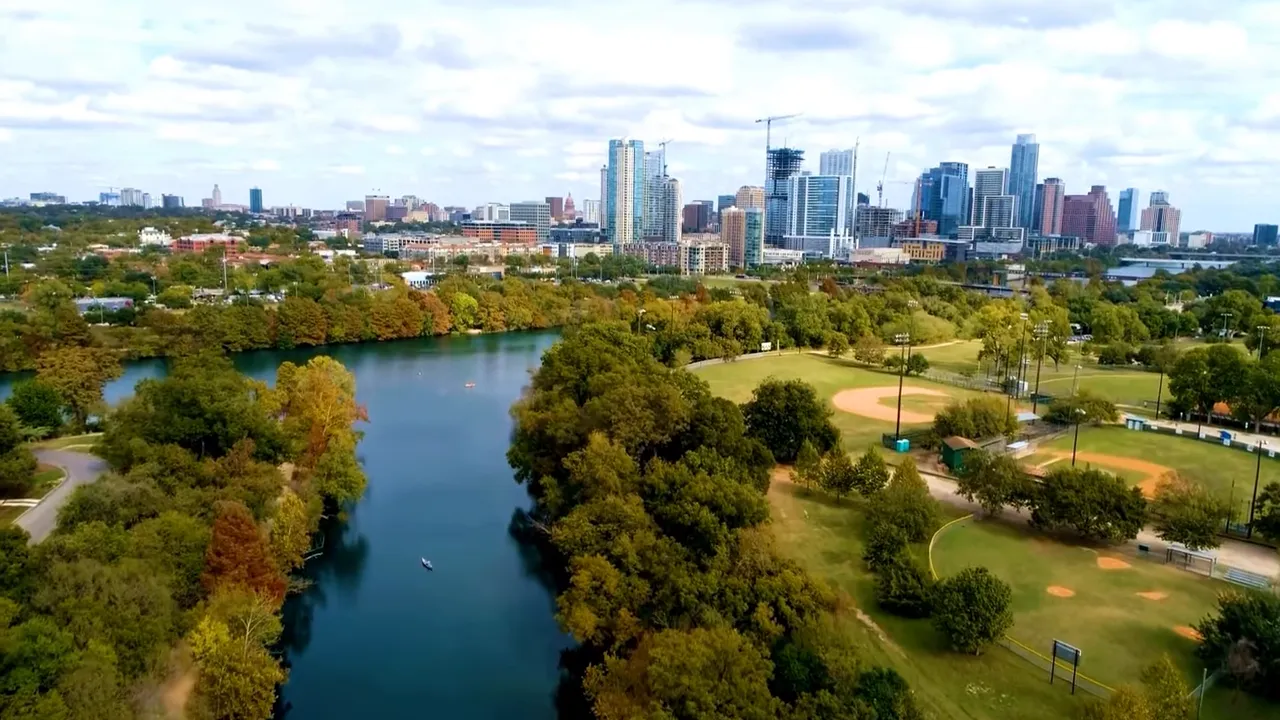
Favorite local feature: Barton Creek Greenbelt. It runs through the city and offers miles of trails and creek-side escapes that feel far more remote than they are. That mix of easy access and real natural beauty is a big draw when moving to Austin.
5. A strong sense of community and Texas hospitality
People moving to Austin often cite friendliness as a key surprise. Neighborhoods—especially master planned communities—tend to be welcoming. Strangers smile and say hello. Neighbors actually talk to each other.
That warmth often shows up the moment new arrivals land: someone helps with luggage, offers advice, or simply asks how you are and expects an answer. For families moving to Austin, that extra layer of neighborly help and goodwill matters.
6. Cost of living and housing value (you can get more for your money)
A common question: “Is moving to Austin affordable?” The answer depends on where you look. Central Austin and some western suburbs carry high prices, but if you expand the search 20–30 minutes outside central zones, the value becomes compelling.
Example: Buyers relocating from New York, California, or the Northeast are often stunned by what their budget buys here—front yard, backyard, 4 bedrooms, 3 bathrooms, and a great school for a fraction of what the same features cost in major coastal metros. If your goal for moving to Austin includes home size and neighborhood amenities, the suburbs deliver a lot of value.
7. Austin is a genuinely great place to raise kids
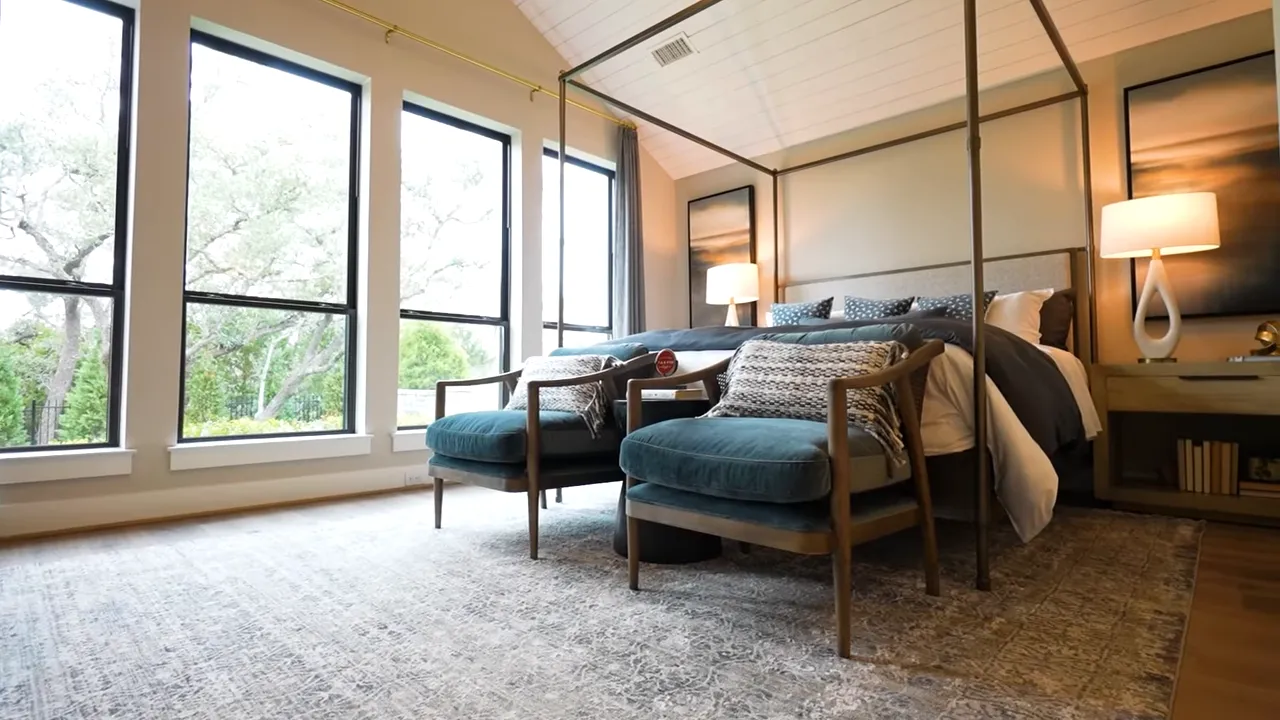
Combine good schools, access to nature, safe neighborhoods, and abundant youth sports and activities, and you have an area that’s tuned for family life.
Sports in Austin are inclusive—kids don’t have to be elite to play and make lasting memories. Parks, organized activities, and community events give families many ways to connect and build routines that help kids thrive.
8. You get nature and culture in the same city
Austin is rare in that you can hike a world-class trail in the morning and catch a major concert the same night. Music, art, festivals, and a lively food scene sit next to rivers, springs, and greenbelts.
Barton Springs pool is a perfect example of the city’s mix. Natural swimming and a social vibe sit within sight of high-rises and corporate campuses—nature and culture coexisting in a way many newcomers find refreshing.
9. Many people move to Austin to be near family
Follow-the-family moves are common. Once grandparents, aunts, or siblings land here, relatives often relocate too. That pattern explains part of the steady migration into Austin—people seek support networks and closeness.
If your reason for moving to Austin is family-centered—childcare, eldercare, or the desire to raise kids near grandparents—Austin’s growth has created many family clusters across neighborhoods.
10. Momentum, startups, and opportunity
There’s a feeling of movement in Austin. Whether it’s a side hustle becoming a business, an emerging band, or a new restaurant concept, the city attracts people who are trying something new.
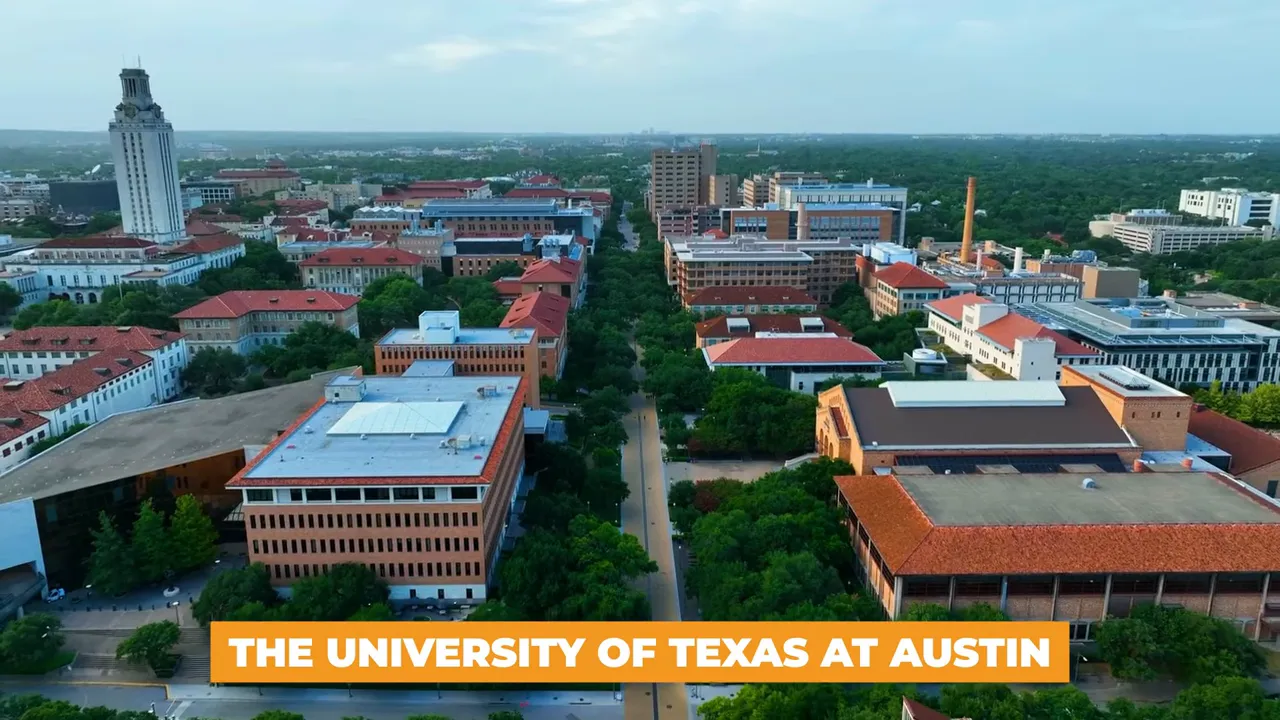
That energy matters when moving to Austin if you want to be surrounded by hustle without the constant grind culture found in some larger cities. The University of Texas and local arts and tech communities fuel new ideas and collaboration.
11. A slower, less chaotic pace of life that still has excitement
Despite the momentum, Austin is laid back. People move to Austin because they can be part of a vibrant city and still enjoy a pace that allows breathing room and real neighborhood living.
New arrivals from extremely fast-paced cities often say they can finally slow down without sacrificing culture, food, or professional opportunity. That’s a rare combination that makes moving to Austin appealing to many.
How to choose the right neighborhood when moving to Austin
Deciding where to move depends on priorities. Here’s a simple framework to match priorities to areas:
- Top schools and prestige: Look west toward Eanes ISD and Lake Travis areas.
- Best value for schools: Consider Leander ISD and Round Rock ISD (excellent quality at more affordable price points).
- Urban lifestyle with culture: Central Austin neighborhoods north of UT, South Congress, East Austin.
- Outdoor-focused or hill country living: Dripping Springs and parts of the Hill Country.
- Short commutes to major corporate hubs: Search within 20–30 minutes of The Domain and downtown.
When moving to Austin, always check school zones for the exact address, and ask about HOA amenities, commute patterns at peak times, and future development plans near the property you like.
Quick moving-to-Austin checklist
- Identify your top three priorities (schools, commute, outdoor access, cost).
- Set a realistic budget and map what that buys 20–30 minutes from your target workplace.
- Research school attendance zones for candidate addresses.
- Visit neighborhoods at different times of day if possible.
- Ask locals about community events, safety, and family activities.
Common misconceptions when moving to Austin
“Austin is unaffordable.” The city core can be pricey, but expanding your search to nearby suburbs reveals strong value.
“Tech layoffs mean no work here.” Austin has a broad economy—healthcare, education, government, manufacturing, and entrepreneurship—so opportunities are diversified.
“You must choose between nature and culture.” Austin offers both in spades. Hike in the morning, catch a concert at night, and still get home before dinner.
Final thoughts on moving to Austin
Moving to Austin is more than a real estate decision. It’s a lifestyle choice: do you want more outdoor time, friendlier neighborhoods, better value for your money, and an energetic yet livable city? For many people, the answer is yes.
If your plan for moving to Austin includes schools, commute tradeoffs, or finding a neighborhood that feels like home—take the time to prioritize what matters most. The right part of the Austin area will give you access to great schools, outdoor options, community warmth, and career opportunities without feeling trapped by the cost or the commute.
VIEW HOMES FOR SALE IN AUSTIN, TX
FAQs About Moving to Austin
Is moving to Austin still a good idea if I work in tech?
Yes. While headlines mention layoffs from time to time, Austin’s tech presence remains significant, and the local economy is broad. Many people relocate here due to transfers, startups, or remote-friendly roles while benefiting from the region’s lower costs compared to several coastal tech hubs.
Which areas are best for families moving to Austin?
Leander ISD, Round Rock ISD, Dripping Springs, Lake Travis, and parts of Westlake are popular family choices. Each has a different price point and vibe, so match schools, commute time, and neighborhood amenities to your family’s needs.
How important are school attendance zones when moving to Austin?
Very important. Most Texas public schools are zoned by address. Transfers aren’t guaranteed, so confirm the elementary, middle, and high school zones for any property you consider.
Can I find affordable housing when moving to Austin?
Yes—relative affordability depends on how far from central Austin you’re willing to look. Expanding your search 20–30 minutes out typically yields much more home for the money, particularly in family-friendly suburbs.
What’s the outdoor situation like if I’m moving to Austin and love nature?
Excellent. The region has creeks, springs, greenbelts, and hiking trails. You can swim in natural springs, bike year-round, and access a variety of outdoor spaces within a short drive of most neighborhoods.
Any tips for someone seriously considering moving to Austin?
Start by listing your must-haves and deal-breakers. Research school zones, plan a neighborhood visit if possible, and compare commute times during rush hour. If you need help narrowing options based on schools, lifestyle, or budget, talk to agents who specialize in relocations for personalized guidance.
Need help narrowing things down?
If you’re planning a move and want tailored neighborhood or school recommendations, call or text Barrett at (512) 855-2713 or email barrett@ravengrouptx.com. I’d love to help you narrow things down.
Read More: Top Austin Neighborhoods I Would Choose