7 Reasons Austin, Texas Is One of the Best Places to Live
Imagine stepping off a plane in Austin and feeling the sun hit your face, 300 days of it a year, while a stranger at the coffee shop asks how you're doing and actually waits for an answer. That warmth, both literal and human, is what separates Austin from the cities most people are leaving behind. This isn't the Seattle Freeze or the Northeast grind. It's a place where neighbors show up with barbecue within 72 hours of your move-in day, where you keep spare swimsuits in the car because Bull Creek is always 10 minutes away, and where a 4-bedroom new-construction home on a quarter-acre lot costs half, or a third, of what you'd pay in Los Angeles or Washington, D.C.
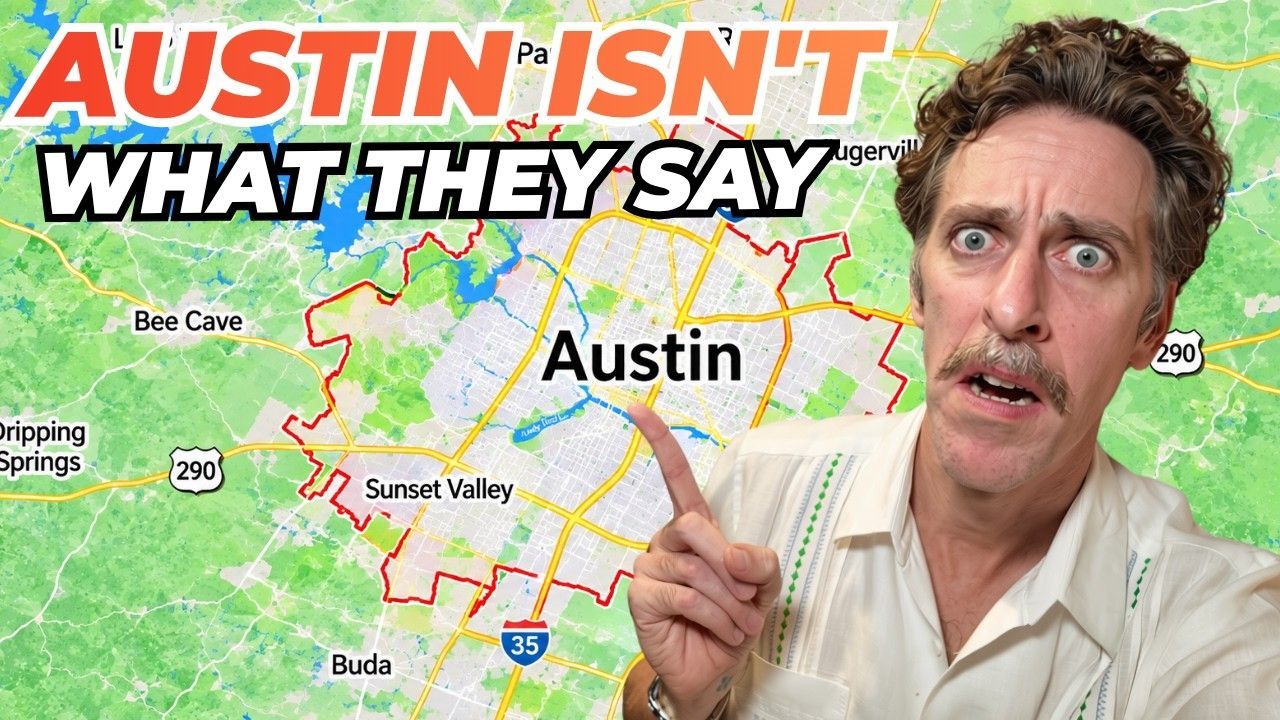
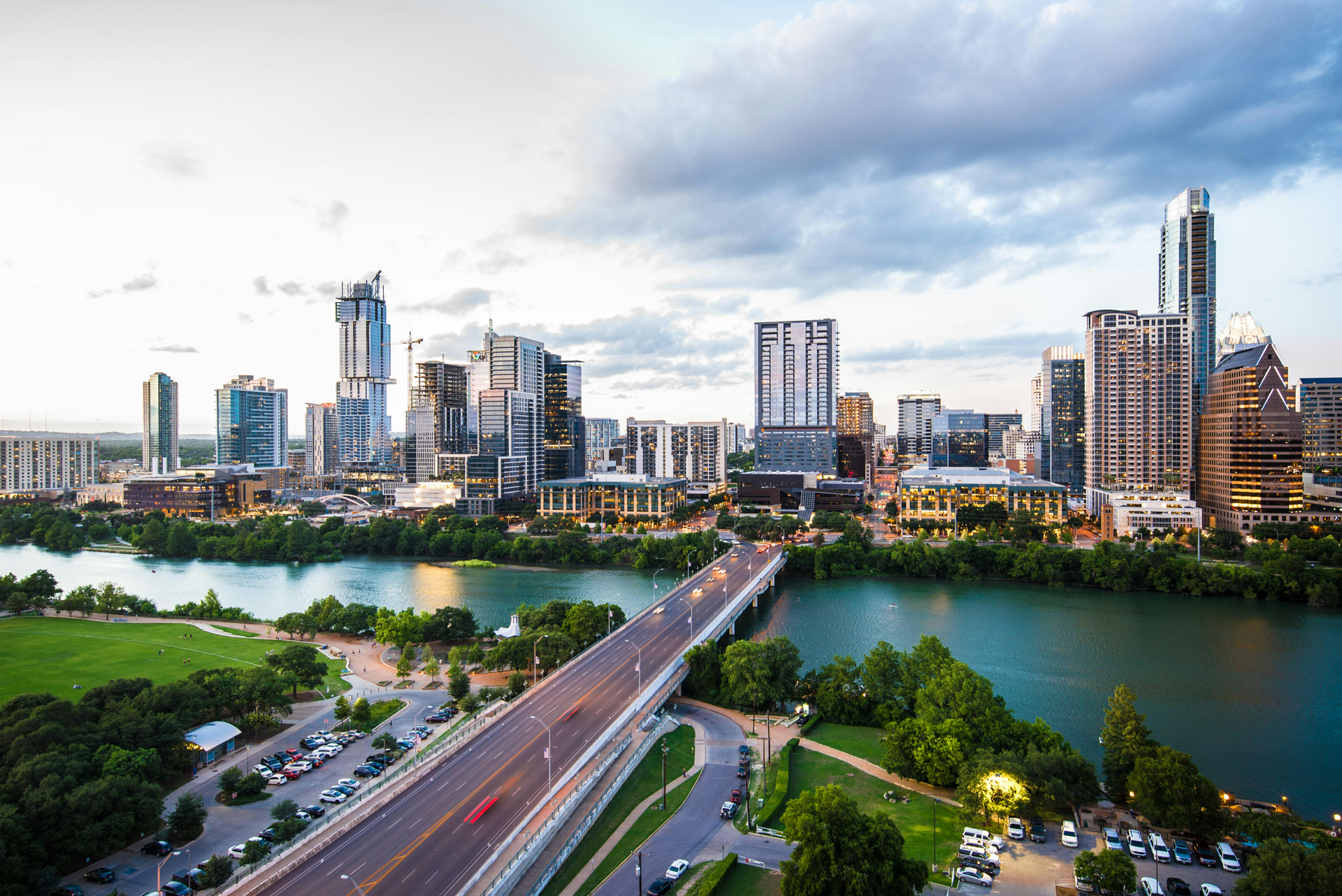
Austin sits at the foothills of the Texas Hill Country, blending rolling terrain, spring-fed swimming holes, and a tech-driven economy that still makes room for manufacturing, healthcare, education, and entertainment. The city of Austin averages $700,000 to $750,000 for a home, but the greater metro, Round Rock, Leander, Cedar Park, Georgetown, Pflugerville, Liberty Hill, Dripping Springs, Kyle, and Buda, hovers around $500,000 to $525,000. That gap matters when you're weighing commute, schools, and the kind of life you want your family to live.
Some people move here and love it immediately. Others arrive expecting one thing and find something else entirely. The difference, I think, comes down to whether you understand what Austin actually is before you pack the truck. So here are my seven favorite things about this city, the reasons I think it's the best place to live, and the reasons you need to know before you decide if it's right for you.
Table of Contents
- The People: Texas Hospitality That Means It
- Jobs and the Broad-Based Economy
- Outdoor Culture: Parks, Trails, and Year-Round Swimming
- Affordable Home Prices Compared to Coastal Markets
- Hill Country Beauty and Varied Terrain
- The Weather: 300 Days of Sun and How to Handle the Heat
- Top-Rated School Districts Across the Metro
- Which Austin Suburb Fits Your Priorities
- Conclusion: Understanding the Essence of Austin
The People: Texas Hospitality That Means It
The first reason Austin is the best city to live in is the people. I say this all the time, but I don't think it's exclusive to Austin, it's exclusive to Texas. Texas has the best people on the planet. You've heard about Southern hospitality, and yes, people are warm and polite across the South. But a friend of mine who moved here from Tennessee put it this way: in a lot of places, that kindness is surface-level. It's nice to your face, but it doesn't go deeper. Texas is different. It's not Southern hospitality. It's Texas hospitality. When someone here asks how you're doing, it's not a rhetorical question. They actually want to know, and they're probably trying to start a real conversation.
I had a client move here recently from Las Vegas. My family and I went to their housewarming party about three weeks after they closed on the house. The place was packed, and I asked who all these people were. Neighbors, they said. Every single one. Within 72 hours of moving in, people were bringing them barbecue, baked goods, and offers to babysit their son. When the wife had a health issue, the neighbors stepped in without being asked. That's not an anomaly. That's what happens here.
We hear this from people relocating from all over the country. A lot of them mention explicitly that where they're from, people just aren't outwardly warm. They don't talk to strangers. They keep to themselves. I work with a ton of people moving here from the Seattle area, and I kept hearing about something called the Seattle Freeze. I thought it meant the weather. Turns out it refers to how people interact, or don't. The culture there is more like, you do your thing, I'll do mine, and we don't need to engage. That's fine if it works for you, but it's the opposite of Austin.
We also work with a lot of people from the Northeast, Baltimore, New York, Boston, and they'll say things like, "Everyone just seems upset all the time where I'm from." They're excited to move somewhere warm, sunny, and vibrant, where people actually want to connect. If that sounds like what you're looking for, Austin delivers. If you prefer to keep your distance and not have neighbors show up unannounced with casseroles, you might want to think twice.
Jobs and the Broad-Based Economy
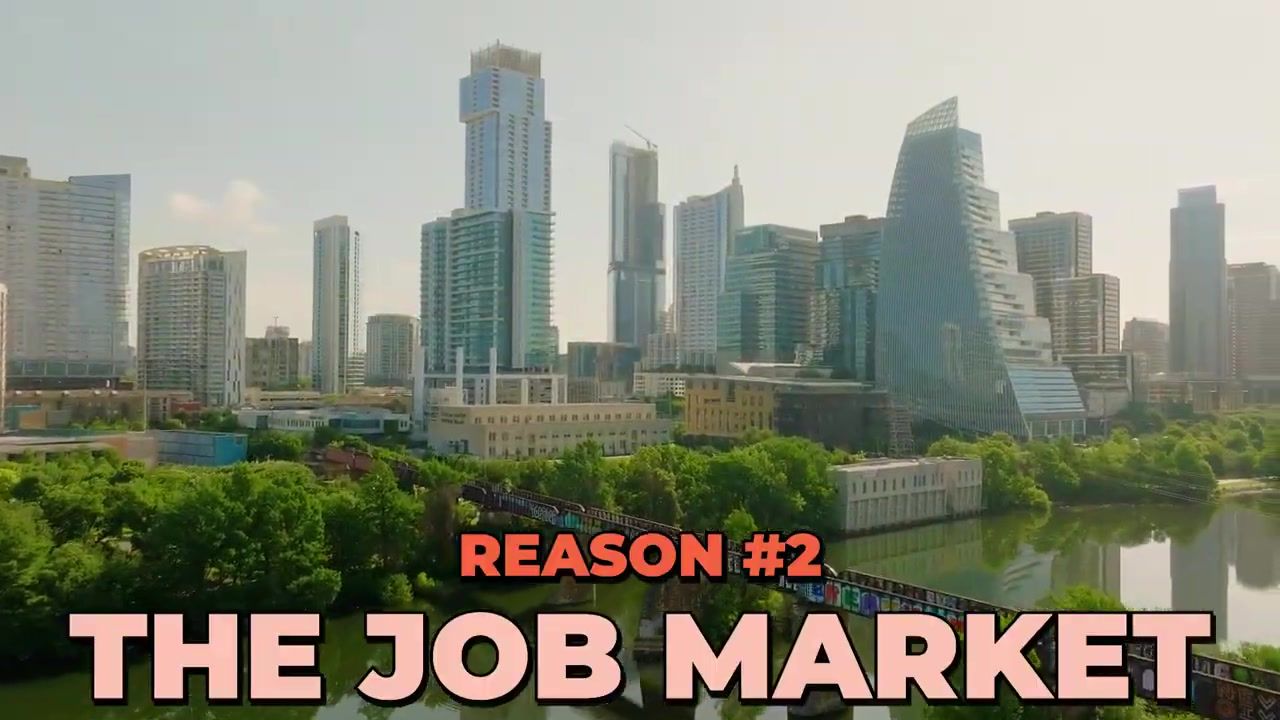
The second reason Austin is the best city to live in is the jobs and the job market. I want to be sensitive here. We're toward the end of 2026, and the economy isn't amazing. Unemployment is up in almost every part of the country. But Austin is a fascinating place when it comes to work because we have a broad-based economy. Silicon Valley is known for tech, right? If the tech bubble bursts, Silicon Valley bursts. Austin is different. Yes, we have tech, Dell started here in the late '90s, and we've been a tech hub ever since, but we also have manufacturing, education, healthcare, hardware, software, entertainment, and more. That diversity matters.
I wrote a social media post about this a few weeks ago. I was sitting in line at a coffee shop, Merit, actually, one of my favorites, and I overheard a real estate agent telling someone, "Yeah, people aren't really moving here for tech anymore. It's slowed down." I thought, what? I have a lot of evidence to the contrary. In the past 10 days alone, I've talked to people who moved here for Amazon, Microsoft, eBay, IBM, and a robotics company I can't name. There was a mechanical engineer relocating for a robotics firm in Southeast Austin. There was a couple moving here from LA, he works in AI for a commercial real estate company, she works for Reddit, and they're remote but choosing Austin because of the tech culture, the airport access, and the lifestyle.
A lot of tech workers who don't have to live anywhere are choosing Austin because it's a place where tech stuff is happening. They want to be around that energy, even if their office is their kitchen table. So yes, people are absolutely still moving here for tech. But even if you're not in tech, there are jobs here. The economy is diverse enough that you're not betting everything on one industry.
Outdoor Culture: Parks, Trails, and Year-Round Swimming
The third reason Austin is the best city to live in is the outdoor and fitness culture. I have never seen anything like it. Austin has a plethora of parks, trails, creeks, rivers, streams, and springs, and people here actually use them. If you live here for more than a year, it becomes part of your biological rhythm to just be outside, walking, running, hiking, biking, working out, swimming. There are so many opportunities, and people take advantage of them.
We talk to people relocating here every day, and it's crazy how often they say, "People where I'm from just don't really go outside. It's not a thing." I'm sitting there thinking, you live in California or New York, aren't you surrounded by natural beauty? And they're like, yeah, but it's just not part of the culture. That blows my mind. In Austin, it's the default. If the weather is nice, you're outside.
One thing I didn't realize was unique until I'd lived here for 10 years is how many places there are to swim. I used to play in a punk band, and we were on tour in 2005, driving through upstate New York. It was beautiful, rivers, trees, hills, and we stopped at a gas station and asked where we could jump in the river and swim. The woman at the register looked at us like we were insane. She had no idea. We had to bushwhack through the forest to find a spot. That's not something a lot of people do. But in Austin, it's normal.
We have public pools like Shipe Pool in Hyde Park. We have natural spring-fed pools like Deep Eddy and Barton Springs. We have the Barton Creek Greenbelt, a massive trail system that runs through the middle of town and out to West Austin, and all along it you can jump into Barton Creek. There's Bull Creek, Lost Creek, and more. My wife and I keep five spare swimsuits in each of our cars because you never know when we're going to be out with the kids and decide to go swimming at Bull Creek down the street.
Austin also has a huge community fitness culture. There are run clubs, biking clubs, swimming clubs, hiking clubs, walking clubs, and leagues for every sport you can think of. I'm on two tennis teams myself. If you move here and live here for a year and don't leave discernibly more fit than when you arrived, you've done something terribly wrong. There are just so many opportunities to work out in groups and be active. If being outdoors and staying fit matter to you, Austin is the place.
Affordable Home Prices Compared to Coastal Markets

The fourth reason Austin is the best city to live in is our affordable home prices. Now, if you live in Texas or a smaller city, you might hear me say that and think I'm high. The average price of a home in the city of Austin is about $700,000 to $750,000. For a lot of people, that's not affordable. But in the greater Austin area, Round Rock, Leander, Cedar Park, Georgetown, Pflugerville, Liberty Hill, Dripping Springs, Kyle, Buda, the average is around $500,000 to $525,000. And for people relocating here from Seattle, Portland, California, New York, D.C. Miami, or Chicago, that number is a revelation.
We sit down with clients and ask what they're looking for: how many bedrooms, bathrooms, square footage, old or new, commute, schools. When we show them homes that fit their criteria in their price range, they always think we're lying. They're like, "Wait, I can buy this house for this price?" And we're like, yeah, it's kind of nuts. If you're in Los Angeles and you want a 4-bedroom, 3-bath, 3,000-square-foot home with a 3-car garage on a quarter-acre lot, 40 minutes from downtown, good luck finding something under $2 to $3 million. In Austin, you can get that for $600,000 to $700,000. For $900,000, you can get the Taj Mahal.
Relative to the parts of the country where most of our clients are coming from, the prices here are bang-on when you take everything into account: the broad-based economy, the outdoor culture, the warmth of the people, and the fact that you don't pay state income tax. You can get a home that would cost you double or triple somewhere else, and you can get it in a suburb with local schools, low crime, and a real sense of community.
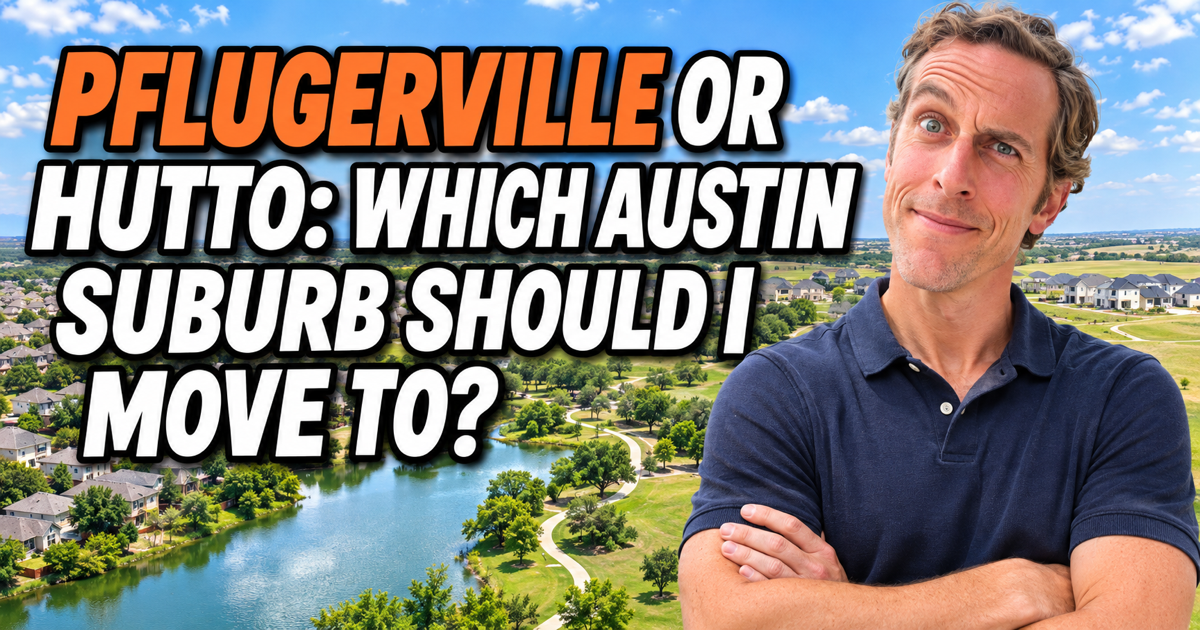
Now, if you're willing to be a 30- to 40-minute commute from Downtown Austin or The Domain, where a lot of the tech companies are, you're going to be living in one of our great suburbs. And honestly, if I could have had eight reasons instead of seven, I would have said our suburbs. We have an embarrassment of riches when it comes to suburbs that have their own identifiable culture: Leander, Cedar Park, Georgetown, Round Rock, Pflugerville, Liberty Hill, Dripping Springs, Kyle, Buda. A lot of cities have suburbs that feel like afterthoughts, not well run, not well organized. In Austin, that's not the case. These suburbs are thriving, and when you factor in the prices, the convenience, and the proximity, it's insane what you can get.
Hill Country Beauty and Varied Terrain
The fifth reason Austin is the best city to live in is the beauty of the Hill Country. A lot of people who have never been here think Texas is just one big monolith. They think it's all desert, and people ride horses everywhere. That is not the case. Texas has incredibly varied terrain. You've got the Gulf Coast in Southeast Texas, the Piney Woods with vast pine forests, the flat grassy Plains of North Texas, the oil fields of West Texas, and the mountains of far West Texas in Big Bend. Texas is not a monolith.
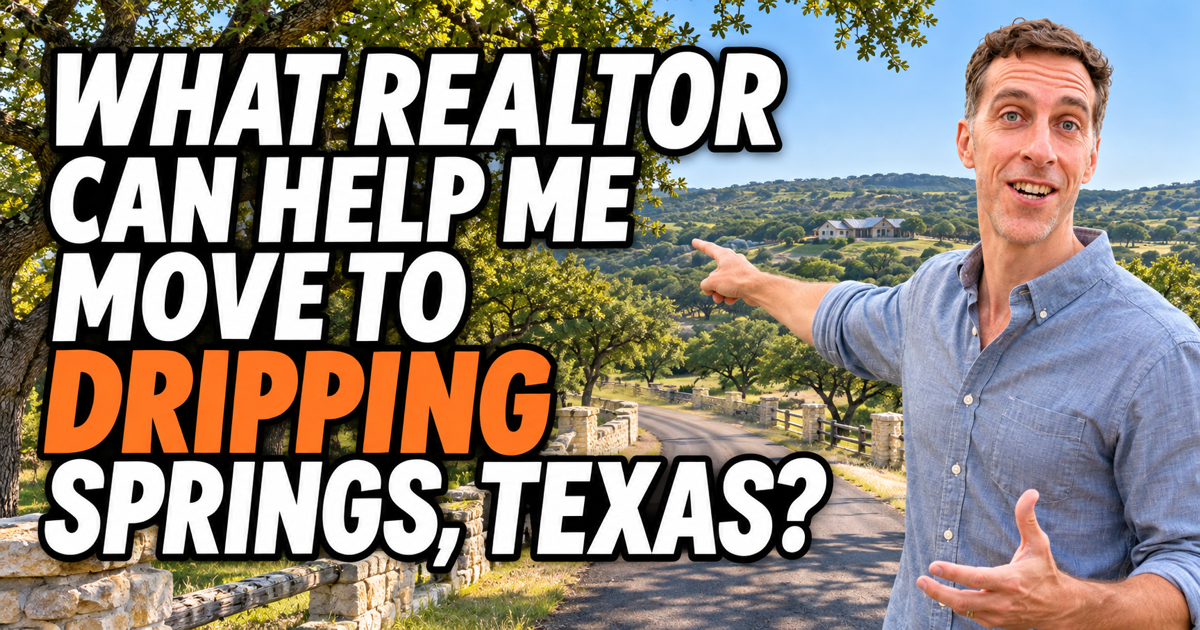
Austin is in Central Texas, and we're part of what's called the Hill Country. You get hills, trees, rivers, creeks, streams, and springs. In East Austin, it's flat Blackland Prairie, used to be all farmland. But when you go west of I-35, you start to see the hills. And when you get into West Austin, Dripping Springs, Leander, Liberty Hill, Georgetown, you're in the foothills of the Hill Country. It's some of my favorite land in the world. There are times I go out there and feel like I'm in Spain or Ireland. It's crushingly beautiful.
We get a lot of people who move here from Seattle and say, "I was bummed because I thought I was leaving natural beauty behind, and I'd just be living in an ugly place." Then they get here and realize it's not Seattle, it's not the redwoods, but it's a lot more naturally beautiful and varied than they expected. It's always been home to me, and I love it.
The Weather: 300 Days of Sun and How to Handle the Heat
The sixth reason Austin is the best city to live in is the weather. This one is controversial, but hear me out. Yes, Austin is in Texas, and Texas is hot. Everyone knows that. But I think people are surprised by how much cold weather we get and how much perfect weather we get. In the summer, there are probably two to three months where it's 100+ degrees outside. But there are always places to swim, and there are always ways to get relief from the heat.
What you're going to get in Austin is at least 300 days of sun. For people moving here from Washington, Oregon, or the Northeast, that's life-changing. They're dying for more sun. Despite the overcast rainy day we're having today, you're going to get a warm, energetic, vibrant climate. And if you're familiar with Houston, you know the weather there is oppressively humid. In Austin, the heat in the dead of summer is intense and violent, but it's a relatively dry heat compared to other parts of Texas. I'm from the Houston area originally, and when I moved here, I was like, oh, this is not nearly as bad as I thought.
Now, if you're not comfortable with 60 to 90 days in a row of 100+ degree weather, you've got to buckle up. You have to embrace the sweat. You're going to take a shower when you get home, you're going to take a shower at night, and you just have to learn to love it. I have. But if you can't handle that, Austin might not be for you.
Top-Rated School Districts Across the Metro
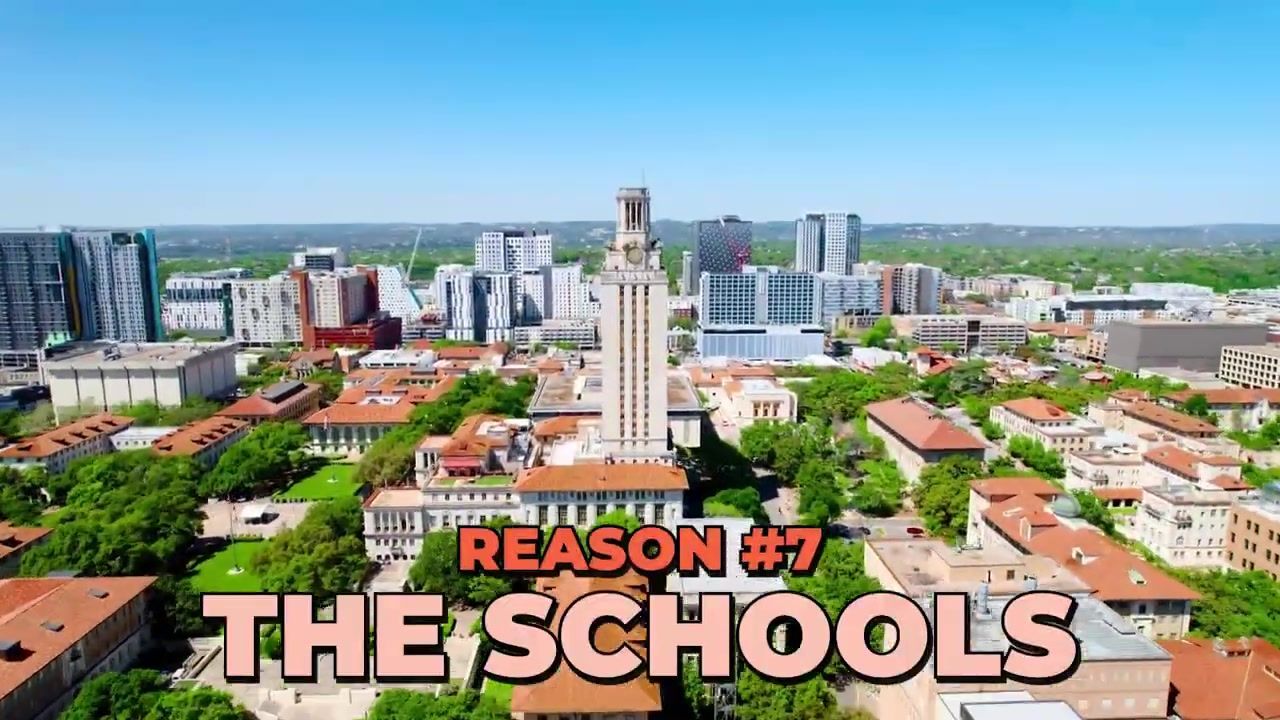
The seventh reason Austin is the best city to live in is the schools. We have an embarrassment of riches when it comes to great school districts all around Austin. Now, two quick caveats. First, if you look at the ratings for Austin ISD, the city of Austin, you'll find it's pretty mediocre on average. We have some really amazing schools in Southwest, Northwest, and West Austin. But the schools in East Austin and parts of South Austin are not rated very highly. So the city of Austin is a little mid when it comes to school ratings.
However, the suburbs of Austin have schools that are rated incredibly highly. Some of these schools are elite. Texas already has some of local schools in the country, and the schools in Central Texas are absolutely incredible. Here's how I break them down. Every year, I look at the ratings of the top five school districts in the greater Central Texas area. The number one is almost always Eanes ISD, which includes Westlake. The average home price there is around $3 million. The second is Lake Travis ISD, which includes Lakeway, Spicewood, and Bee Cave. The average home price is around $1.5 million. The third is Dripping Springs ISD, where the average home price is around $800,000 to $850,000. The fourth and fifth usually go back and forth between Leander ISD and Round Rock ISD, where the average home price is $500,000 to $550,000.
Think about that. Eanes ISD homes are six times more expensive than Round Rock ISD homes. But I'll tell you right now, the school district is not six times better. In my opinion, Round Rock ISD is probably 85 to 88 percent as good as Eanes ISD, but the home prices are six times less. That's a really sweet spot, a great bang for your buck when it comes to the ratio of average home price to school quality.
What do I mean by local schools? High college acceptance rates, good sports programs, very little crime, low teacher-to-student ratios, and parent involvement. That's what you're going to get in these districts. And right behind that top five are Georgetown ISD, Liberty Hill ISD, Pflugerville ISD, and Hays CISD. You've got great school districts all around here.
But here's the other caveat: just because you're moving to a highly rated school district doesn't mean every single school or school circuit is going to be great. Austin ISD has 12 or 13 high schools, even more middle schools, and even more elementary schools. There are 100 different school circuits you could go through. So if you want to move to a certain area because you love the prices, the community, and the culture, you've got to reach out to us to make sure your kids go to a highly rated school circuit. You can move to Leander ISD, but there are a lot of different schools your kids could attend. We want to make sure you land in an area with very local schools.
Which Austin Suburb Fits Your Priorities
If you're weighing suburbs, here's how to think about it. Choose Round Rock or Leander if you want local schools, a 30- to 40-minute commute to Downtown Austin or The Domain, and home prices in the $500,000 to $550,000 range. These are thriving suburbs with their own culture, low crime, and strong parent involvement. Choose Georgetown, Cedar Park, or Pflugerville if you want similar school quality and prices but prefer a slightly different vibe, Georgetown has more of a historic downtown feel, Cedar Park is residential with great parks, and Pflugerville is growing fast with newer construction. Choose Dripping Springs if you want Hill Country beauty, local schools, and you're willing to pay $800,000 to $850,000 for that combination. Choose Liberty Hill, Kyle, or Buda if you want local schools, more space, and you're okay being a bit farther out. These areas are still growing, and you'll get more land for your money.
The trade-offs are straightforward. The closer you are to the city, the higher the price and the shorter the commute. The farther out you go, the more space you get, but you'll spend more time in the car. The school quality stays strong across all these suburbs, so it really comes down to what you value most: commute, price, space, or proximity to the Hill Country.
Conclusion: Understanding the Essence of Austin
Austin is not for everyone, and that's okay. If you hate heat, if you prefer to keep to yourself, if you think $500,000 for a home is outrageous no matter what you get for it, this might not be your place. But if you're looking for a city where people actually care, where you can swim in a creek on a Tuesday afternoon, where your kids can go to elite schools without paying $3 million for a house, where the economy is diverse enough to weather downturns, and where the sun shines 300 days a year, Austin is hard to beat.
The people who love it here are the ones who understand what it is before they move. It's not Los Angeles. It's not Seattle. It's not New York. It's Austin, warm, vibrant, outdoorsy, and growing fast. If that sounds like the life you want, let's talk. My team and I work with people just like you every day, and we'd love to hear what you love, what you hate, and what you're looking for in a community. Give me a call, shoot me a text, or send me an email. We'll point you to the best area for you and make sure you land in a place where your family thrives.
FAQ About Moving to Austin
How much do homes cost in Austin?
The average price for a home within the city limits of Austin ranges from $700,000 to $750,000. Across the broader Austin metropolitan area, including suburbs like Round Rock, Leander, Cedar Park, Georgetown, Pflugerville, Liberty Hill, Dripping Springs, Kyle, and Buda, the average home price is between $500,000 and $525,000. Prices vary significantly based on location, school district, and proximity to downtown or major employers.
What are the best school districts near Austin?
The top-rated school districts in the Austin area are Eanes ISD, Lake Travis ISD, Dripping Springs ISD, Leander ISD, and Round Rock ISD. Close behind are Georgetown ISD, Liberty Hill ISD, Pflugerville ISD, and Hays CISD. School quality within each district can vary by campus, so verify current ratings and attendance zones with the district before choosing a home.
What is the weather like in Austin?
Austin averages around 300 days of sunshine per year. Summers bring 60 to 90 consecutive days of 100-degree heat, though the heat is relatively dry compared to the Gulf Coast. The rest of the year features milder temperatures, with occasional cold periods in winter. If you're not comfortable with intense summer heat, be prepared to embrace it or seek relief at one of the many swimming spots.
What are the top suburbs to consider near Austin?
Popular suburbs include Round Rock, Leander, Cedar Park, Georgetown, Pflugerville, Liberty Hill, Dripping Springs, Kyle, and Buda. Each has its own character, school options, and price range. Round Rock and Leander offer strong schools and affordability. Georgetown has a historic downtown. Dripping Springs provides Hill Country beauty at a higher price. Liberty Hill, Kyle, and Buda offer more space farther out.
Are people still moving to Austin for tech jobs?
Yes. Despite some reports that tech hiring has slowed, people continue to relocate to Austin for positions at companies like Amazon, Microsoft, eBay, IBM, and smaller tech firms. Many remote tech workers also choose Austin for its tech culture, airport access, and lifestyle, even when their jobs don't require them to live here.
What makes Austin's outdoor culture unique?
Austin has an extensive network of parks, trails, creeks, rivers, and spring-fed swimming holes like Barton Springs Pool, Deep Eddy Pool, Bull Creek, and the Barton Creek Greenbelt. The culture here revolves around being outside, running, biking, hiking, swimming, and working out in groups. Run clubs, biking clubs, and sports leagues are everywhere, and it's common to keep spare swimsuits in the car for spontaneous swims.

Barrett Raven’s approach blends deep Austin knowledge with a focus on customer service. Whether you're buying, selling, or relocating, Barrett and his team are here to ensure your real estate journey is smooth, informed, and successful.
Recent Posts