

Inside an Austin Texas Area with Affordable Homes and Hill Country Views
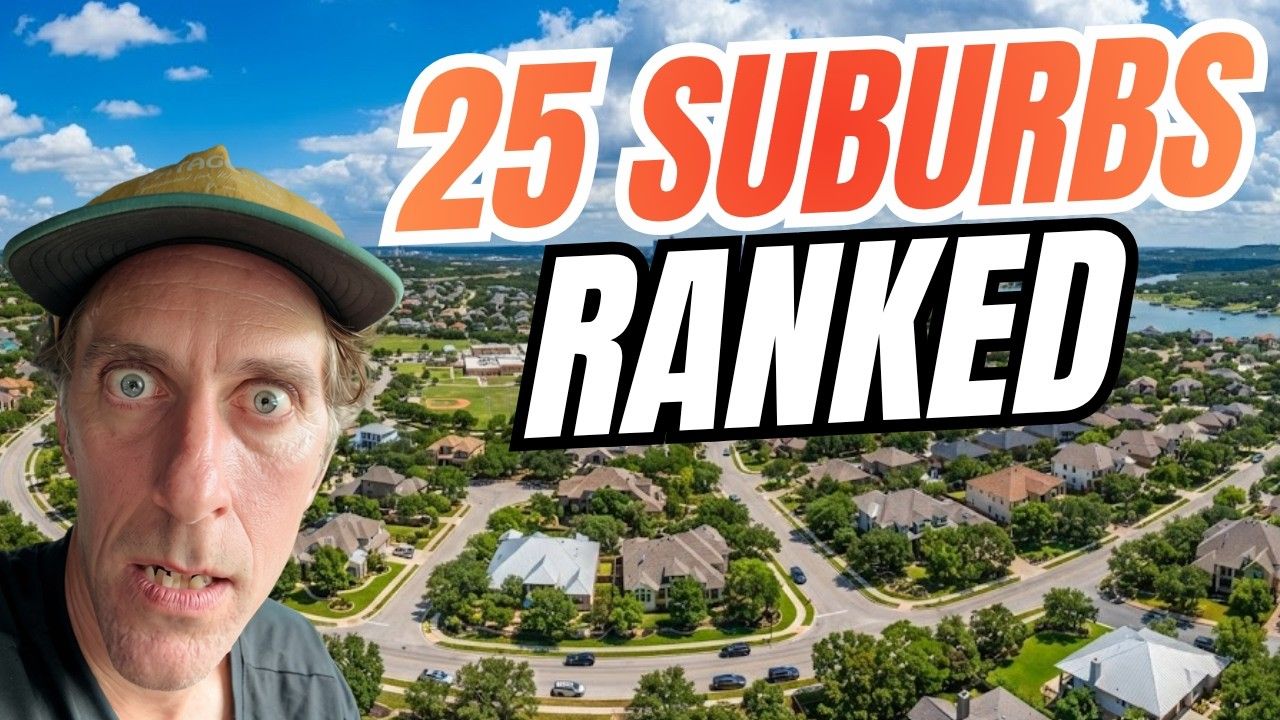
When most people think about Austin neighborhoods with Hill Country views, they picture price tags pushing $1.5 million to $2 million or more. That's the going rate in places like West Lake Hills or the Barton Creek corridor, where elevation and scenery come with a premium that can feel out of reach for a lot of buyers. But there are pockets around Austin where you can still get those views without the seven-figure sticker shock. I'm talking about areas where the topography gives you the same rolling hills and long sight lines, but the price point drops way down, sometimes by half or more.
I spent the day touring one of these areas, and I wanted to show you what's actually available right now. This isn't a hidden gem that nobody knows about, but it is a part of the market that gets overlooked when people fixate on the brand-name zip codes. If you're relocating to Austin and you've been told you need to spend two million to get a view, I'm here to tell you that's not the whole story. There are trade-offs, sure, but if you know what you're looking for and you're willing to think outside the usual boundaries, you can find something that checks a lot of boxes without blowing up your budget.
In this tour, I'm walking through homes that sit well below that $1.5 million threshold. Some of these properties are new construction, some are resale, and the styles and lot sizes vary. But they all share one thing: they're in an area that gives you access to views and a Hill Country feel without requiring you to compete in the most expensive submarkets in the Austin metro. Let's talk about what I saw, what the pricing looks like, and what you need to know if this kind of opportunity interests you.
Table of Contents
What Makes This Austin Area Different
The first thing to understand is that this area doesn't carry the same name recognition as West Lake Hills or Tarrytown. That's part of why the pricing is lower. You're not paying for a zip code that's been famous for decades. But you are getting the same kind of topography, hills, elevation changes, and long views that make the Hill Country desirable in the first place. The land itself doesn't know it's not in a prestige neighborhood, and that's what creates the opportunity.
This part of the Austin metro tends to attract buyers who care more about the physical setting than the address. If you're the kind of person who wants to wake up to a view of rolling hills and doesn't need to tell people you live in a specific enclave, this is where you start looking. The homes here are spread out enough that you're not stacked on top of your neighbors, and the lots tend to be larger than what you'd find in more urban parts of Austin. You're not in the heart of the city, but you're also not so far out that you feel disconnected.
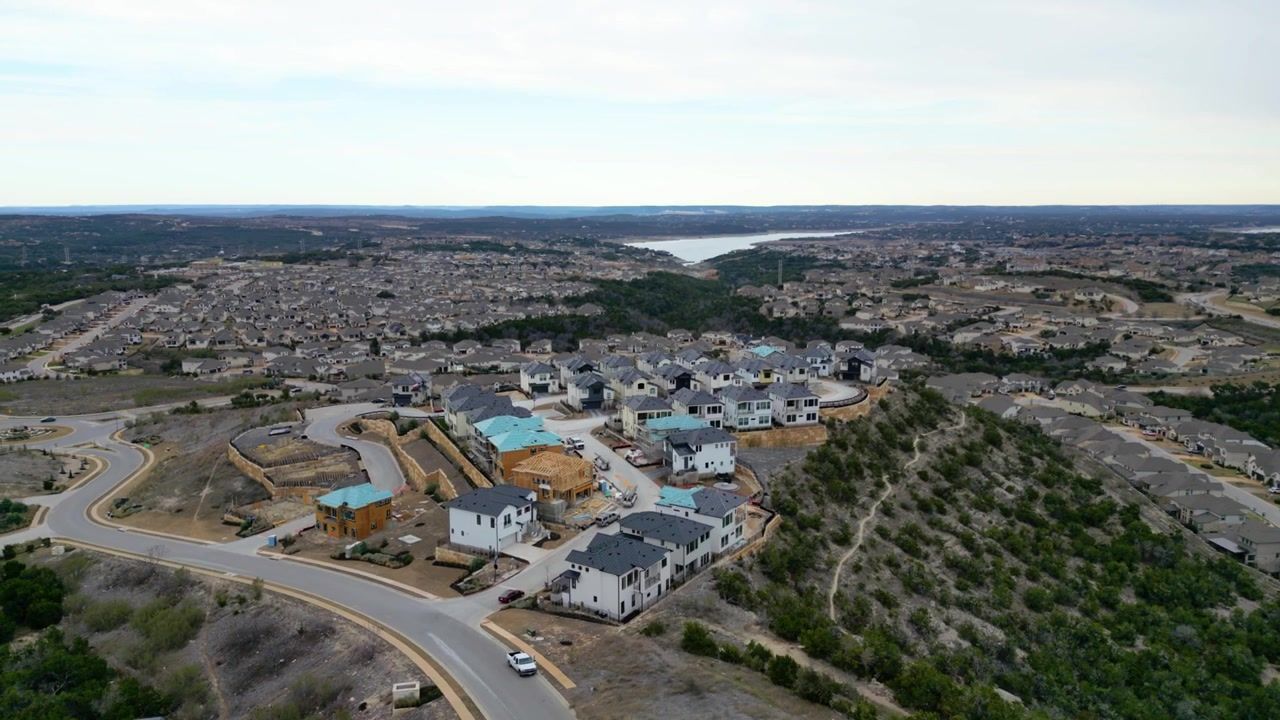
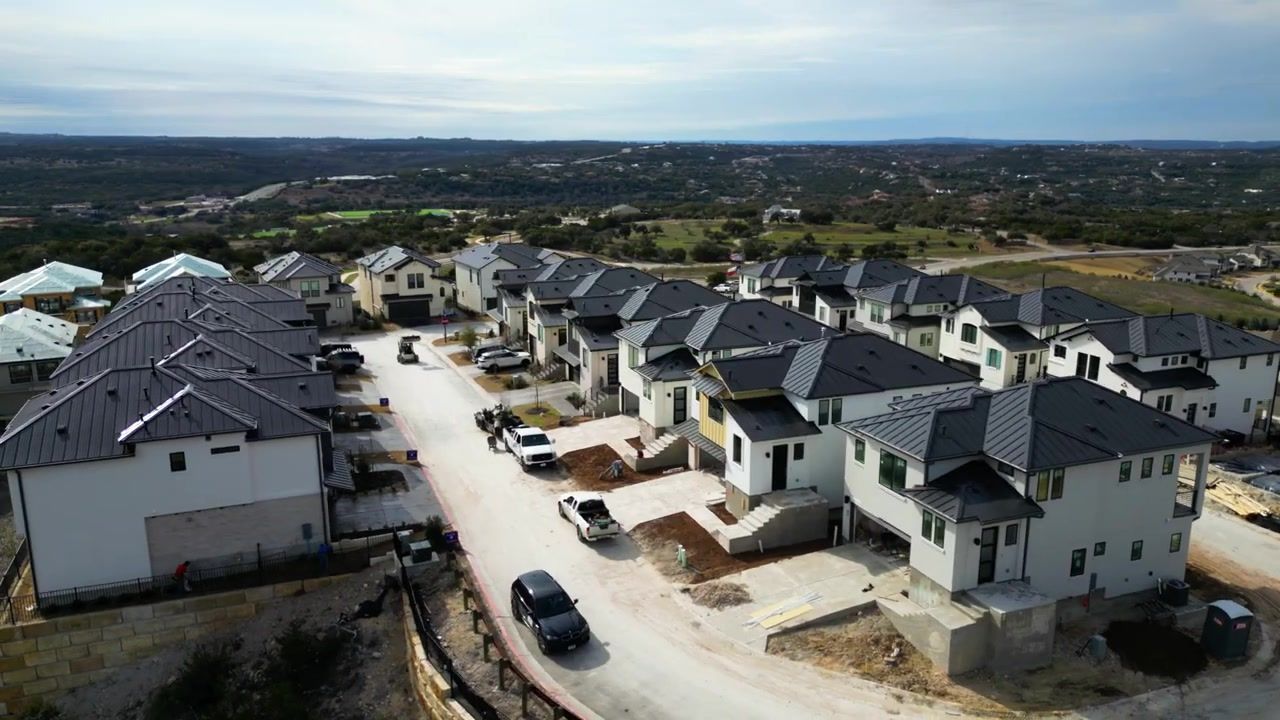
One of the things I noticed on this tour is that the builders and developers working in this area are putting up homes that feel current. These aren't cookie-cutter tract houses from twenty years ago. The finishes are modern, the floor plans are open, and the architecture takes advantage of the views. You're getting contemporary design without the premium that comes with being inside the Loop or in one of the legacy Hill Country neighborhoods.
The Homes: What You Get for the Price
The homes I toured ranged in style and size, but the common thread was value. We're talking about properties that would easily be $1.5 million to $2 million or more if they were ten miles closer to downtown or in a neighborhood with a different name. Here, you're looking at prices that come in well under that range, sometimes significantly under.
Some of these homes are new builds, which means you're getting modern systems, current building codes, and warranties. The layouts tend to be single-story or split-level, designed to work with the sloped lots. You'll see a lot of open-concept living spaces, large windows that frame the views, and outdoor living areas that extend the usable square footage. Covered patios, decks, and balconies are common, because the whole point of being out here is to enjoy the setting.
The resale homes in the area offer a different kind of opportunity. Some of them sit on larger lots, and you might find properties with more mature landscaping or custom features that the original owner added over time. The trade-off is that you're not getting the latest finishes or the newest appliances, but if you're willing to update or renovate, you can end up with a lot more land and a lot more house for the money.
Square footage varies, but you're generally looking at homes in the 2,500 to 4,000 square foot range. That's enough space for a family or for someone who wants a home office, guest rooms, and room to spread out. Lot sizes can be a quarter acre or more, depending on the specific property. That's a big difference from the tight lots you see in newer developments closer to the city, where you're lucky to get a tenth of an acre.
Finishes and Features
The new construction homes I saw had the kind of finishes you'd expect in a modern Austin build: quartz countertops, stainless appliances, wood or luxury vinyl plank flooring, and updated lighting. The kitchens are designed to be the center of the home, with islands that seat four or five people and pantries that actually have storage. The primary suites are separated from the other bedrooms, which is a layout that a lot of buyers want these days.
Outdoor space is a big part of the appeal. Almost every home I toured had some kind of covered patio or deck, and many of them had views that stretched for miles. You're looking out over hills and trees, not rooftops or highways. That's the selling point, and the homes are designed to make the most of it. Floor-to-ceiling windows, sliding glass doors, and outdoor kitchens are common features.
Views and Topography
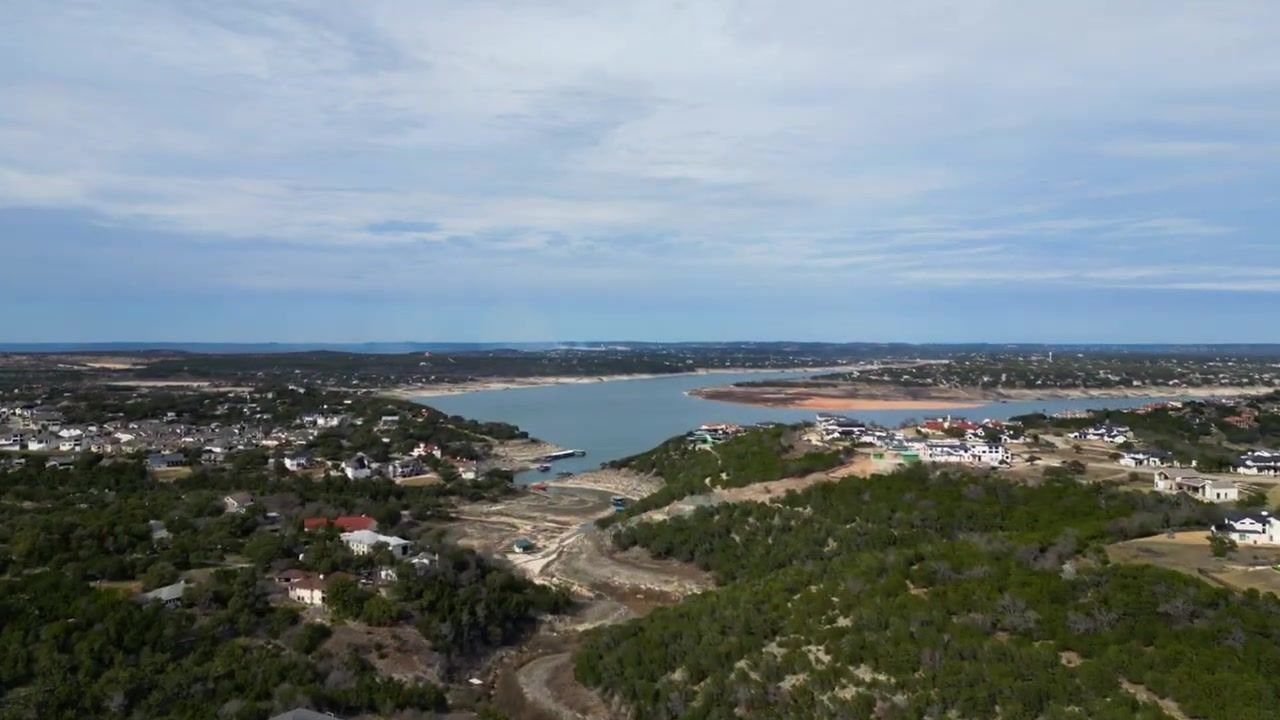
The views are what set this area apart from other affordable options around Austin. You're not out on flat land staring at a fence line. The elevation changes give you long sight lines, and depending on where the home sits on the lot, you can see for miles. Sunrise and sunset are both worth watching from these properties, and the Hill Country landscape, live oaks, cedar, limestone outcroppings, is right there.
The topography also means that the lots are more interesting. You're not building on a flat pad. The homes are designed to work with the slope, which can mean walk-out basements, multi-level decks, or driveways that wind up to the house. It's a different kind of living than you get in a flat suburban neighborhood, and it appeals to people who want their home to feel like it's part of the landscape, not just dropped onto it.
One thing to keep in mind is that sloped lots can add complexity to landscaping and maintenance. If you're used to a flat yard that you can mow in twenty minutes, this is going to be different. But the trade-off is that you get privacy, views, and a setting that feels more like a retreat than a subdivision.
Commute and Location Trade-Offs
Here's the reality: you're not going to be five minutes from downtown Austin. This area is farther out, and that means a longer commute if you're working in the city center. Depending on traffic and the time of day, you could be looking at 30 to 45 minutes or more to get to central Austin. That's the trade-off for the lower price and the views.
If you're working remotely or your job is flexible, the commute might not matter. A lot of buyers are in that situation now, and they're willing to trade proximity for space and affordability. But if you're driving into the city every day, you need to factor that time into your decision. The commute is real, and it's not going to get shorter as Austin continues to grow.
The area is also still developing in terms of retail and dining. You're not going to have the same walkable access to coffee shops and restaurants that you'd get in a more urban neighborhood. You'll be driving to the grocery store, and your options for quick errands are more limited. That's part of the trade-off, and it's something to think about if convenience is a priority for you.
That said, the area is growing. New shopping centers and services are coming in as more people move out here, and the infrastructure is improving. It's not as built-out as some of the older suburbs, but it's not the middle of nowhere either. You have access to the things you need; you just might have to drive a little farther to get them.
Which Buyers Should Consider This Area
This area makes sense for buyers who prioritize space, views, and value over proximity to the urban core. If you're relocating to Austin and you've been priced out of the neighborhoods closer to downtown, this is worth a look. You're getting a lot more house and a lot more land for the money, and you're not sacrificing the Hill Country setting that makes Austin appealing in the first place.
Remote workers and people with flexible schedules are a natural fit here. If you're not commuting every day, the distance from downtown becomes less of an issue, and you can focus on what the area offers: privacy, views, and a quieter pace. The homes are designed for people who want to spend time outside, and the setting encourages that.
Buyers who are willing to trade convenience for affordability will also find value here. You're not going to have the same walkable access to amenities, and you're going to spend more time in the car. But you're going to save a significant amount of money compared to the brand-name neighborhoods, and you're going to get a home that feels more spacious and more connected to the landscape.
If you're someone who needs to be in the middle of everything, close to restaurants, nightlife, and cultural events, this probably isn't the right fit. But if you're looking for a place where you can spread out, enjoy the views, and still be within reasonable driving distance of Austin, this area delivers.
Conclusion
The Austin real estate market has a reputation for being expensive, and in a lot of neighborhoods, that reputation is earned. But there are still pockets where you can find value, especially if you're willing to look beyond the usual suspects. This area offers something that's hard to find in Austin right now: affordable homes with Hill Country views and room to breathe.
I walked through homes that would cost twice as much in West Lake Hills or Barton Creek, and the only real difference was the zip code. The views were just as good, the homes were just as well-built, and the lots were often bigger. The trade-off is the commute and the distance from the urban core, but for a lot of buyers, that's a trade-off worth making.
If you're relocating to Austin or you're already here and looking for more space, I'd encourage you to spend some time in this area. Drive around, look at the homes, and see if the setting feels right. The market is competitive, but there are still opportunities if you know where to look. Let's talk about what you're looking for and whether this part of the Austin metro makes sense for your situation. I'm happy to set up a tour and show you what's available right now.
FAQ
What's the typical price range for homes in this Austin area?
Based on the tour, you're looking at homes that come in well below the $1.5 million to $2 million range you'd see in more established Hill Country neighborhoods. The exact price depends on the size, lot, and whether it's new construction or resale, but the value is significantly better than the brand-name zip codes.
How far is the commute to downtown Austin?
You're looking at 30 to 45 minutes or more, depending on traffic and the time of day. This area is farther out from the city center, so the commute is a real consideration if you're working in downtown Austin. Remote workers or people with flexible schedules will find this less of an issue.
Are these homes new construction or resale?
Both. The area has new builds with modern finishes and current floor plans, as well as resale homes that may offer larger lots or more mature landscaping. New construction gives you warranties and updated systems, while resale can give you more land and customization opportunities.
What kind of lot sizes can I expect?
Lot sizes tend to be a quarter acre or more, which is larger than what you'd find in newer developments closer to the city. The lots are often sloped, which adds privacy and takes advantage of the views, but it also means the landscaping and maintenance are different from a flat suburban yard.
Is the area still developing?
Yes. The infrastructure is improving, and new retail and services are coming in as more people move to the area. It's not as built-out as some of the older suburbs, so you'll be driving for errands and shopping, but the area is growing and the amenities are expanding.
Who is this area best suited for?
Buyers who want space, views, and value, and who are willing to trade proximity to downtown for affordability. Remote workers, people with flexible schedules, and anyone who prioritizes a Hill Country setting over being in the middle of the city will find this area appealing. If you need walkable access to restaurants and nightlife, this probably isn't the right fit.
Barrett Raven’s approach blends deep Austin knowledge with a focus on customer service. Whether you're buying, selling, or relocating, Barrett and his team are here to ensure your real estate journey is smooth, informed, and successful.