Table of Contents
- Introduction
- 1. Living in Austin, Texas: “Keep It Weird” vs Suburban Reality
- 2. Austin Neighborhood Surprises: From Tech CEOs to Goats
- 3. North Austin vs South Austin: Culture, Vibes, and Lifestyle Differences
- 4. Austin Commute Times: Why 30 Minutes Can Turn Into 95
- 5. Making Friends After Moving to Austin, Texas
- 6. The Austin You Imagine vs Where You’ll Actually Live
- 7. Food Culture in Austin, Texas: From BBQ to Everyday Chains
- 8. Austin Pronunciations and Local Culture Newcomers Miss
- 9. Choosing the Right Pocket of Austin, Texas to Live In
- 10. Adapting to Austin Lifestyle and Local Grocery Culture
- 11. Social Life in Austin, Texas: Friendly People, Flaky Plans
- 12. Austin School Districts Explained for New Residents
- 13. Utility Costs in Austin, Texas: What Your First Electric Bill Tells You
- 14. Outdoor Living in Austin, Texas: Trails, Greenbelts, and Daily Life
- 15. Austin Weather Reality: Seasons That Don’t Behave
- Practical Checklist Before Moving to Austin, Texas
- FAQs About Living in Austin, TX
- Final Thoughts
Introduction
If you are seriously considering moving to Austin, Texas, congratulations—you’re thinking about one of the most magnetic cities in America. Austin sells itself easily: live music, tacos, green space, and a booming tech scene. But the real Austin isn’t just a postcard. It is complicated, regional, and full of little surprises that change your daily life in ways you won’t notice until after you sign a lease. Below are 15 clear, honest things you need to know before moving to Austin, Texas so you can make decisions that actually fit your lifestyle.

VIEW HOMES FOR SALE IN AUSTIN, TEXAS
1. Living in Austin, Texas: “Keep It Weird” vs Suburban Reality
Austin’s motto, Keep Austin Weird, is real and cherished. In the central neighborhoods you’ll find the murals, the eccentric restaurants, the indie shops, and the people who wear costumes to brunch. That said, the moment you drive five to ten miles outside the city center, you’ll hit a much more typical American suburb—quiet streets, strip malls, chain stores, and very conventional block-by-block living.
If your picture of moving to Austin, Texas is a nonstop downtown parade of weirdness, plan for compromise: you can live in the heart of the weird scene, but you’ll pay a premium for space and sometimes for the convenience of everyday life.
2. Austin Neighborhood Surprises: From Tech CEOs to Goats
Central Austin neighborhoods often feel like a mash-up of eras and incomes. Luxury estates sit beside small, older homes with yard art and farm animals. Zoning in much of the city allows for this patchwork. If you like variety and the unexpected, you’ll find it charming. If you crave predictability and uniformity, you’ll be surprised.
When planning a move to Austin, Texas, do a physical walkaround of any block you’re considering. Photos and listings can’t show the immediate neighbors or the daily rhythm of a street.
3. North Austin vs South Austin: Culture, Vibes, and Lifestyle Differences
Austin’s cultural and economic centerlines run roughly along the river. South Austin historically carries the artsy, blue-collar, live-music energy—quirky shops, tattoo parlors, food trailers, and an earthy vibe. North Austin skews more corporate, suburban, and “tech-focused.” New development has blurred the edges but not erased the feeling.
Choosing where to live in Austin, Texas is really choosing a cultural lane. Ask yourself: do you want to be near creative scenes and walkable nightlife, or are you after quieter neighborhoods with easier commutes to corporate campuses?
4. Austin Commute Times: Why 30 Minutes Can Turn Into 95
Two north-south arteries—Interstate 35 and Loop 1 (locally called MoPac)—dominate traffic flow. If one of those roads has an accident or a breakdown, the ripple effect can add an hour or more to your trip. That unpredictability makes location relative to your workplace essential.
When moving to Austin, Texas, prioritize proximity to the route you expect to use most. Even if a neighborhood looks great on paper, a daily grind through chokepoints will quickly erode love for the city.
5. Making Friends After Moving to Austin, Texas
Austin is an inflow city. Many people arrive every month, which makes introductions easier—strangers are often open to friendship because they’re also building community. If you’re moving to Austin, Texas, expect to make the first move: invite people, ask neighbors questions, and show up at local events.
That openness makes Austin a fast place to meet people, but genuine community still requires effort. Newcomers who lean in find friends quickly. Newcomers who wait for invitations sometimes leave feeling isolated.
6. The Austin You Imagine vs Where You’ll Actually Live
Zilker Park, South Congress, Barton Springs—these are Austin icons. They’re glorious, but they are also small pockets that represent a tiny slice of the metropolitan area. Most residents live 20 to 30 minutes from these tourist-and-entertainment hubs.
When planning moving to Austin, Texas, spend time in neighborhoods where you might actually buy or rent. Test grocery runs, school routes, and commute times. Those everyday routines will define your quality of life far more than the few afternoons you spend at the lake.
7. Food Culture in Austin, Texas: From BBQ to Everyday Chains
Austin has an embarrassment of culinary riches. From barbecue to tacos to inventive fine dining, food here is amazing. But convenience eats practicality. Expect to fall into neighborhood staples for regular meals—fast, reliable spots that fit your schedule.
Moving to Austin, Texas doesn’t mean dining out at the newest chef-driven place every night. Real life in a new city means balancing bucket-list meals with simple, dependable food that makes weekday life easier.
8. Austin Pronunciations and Local Culture Newcomers Miss
Street names and place labels get localized. Guadalupe becomes “Guadaloop.” Manchaca is pronounced “Man-shack.” Burnet gets spoken like “Burn it.” Even the big body of water near downtown is most often called “Town Lake,” despite official names that change over time.
If you’re moving to Austin, Texas, paying attention to local pronunciation helps you blend in faster. It’s a small cultural key that saves embarrassing directions and makes conversations smoother.
9. Choosing the Right Pocket of Austin, Texas to Live In
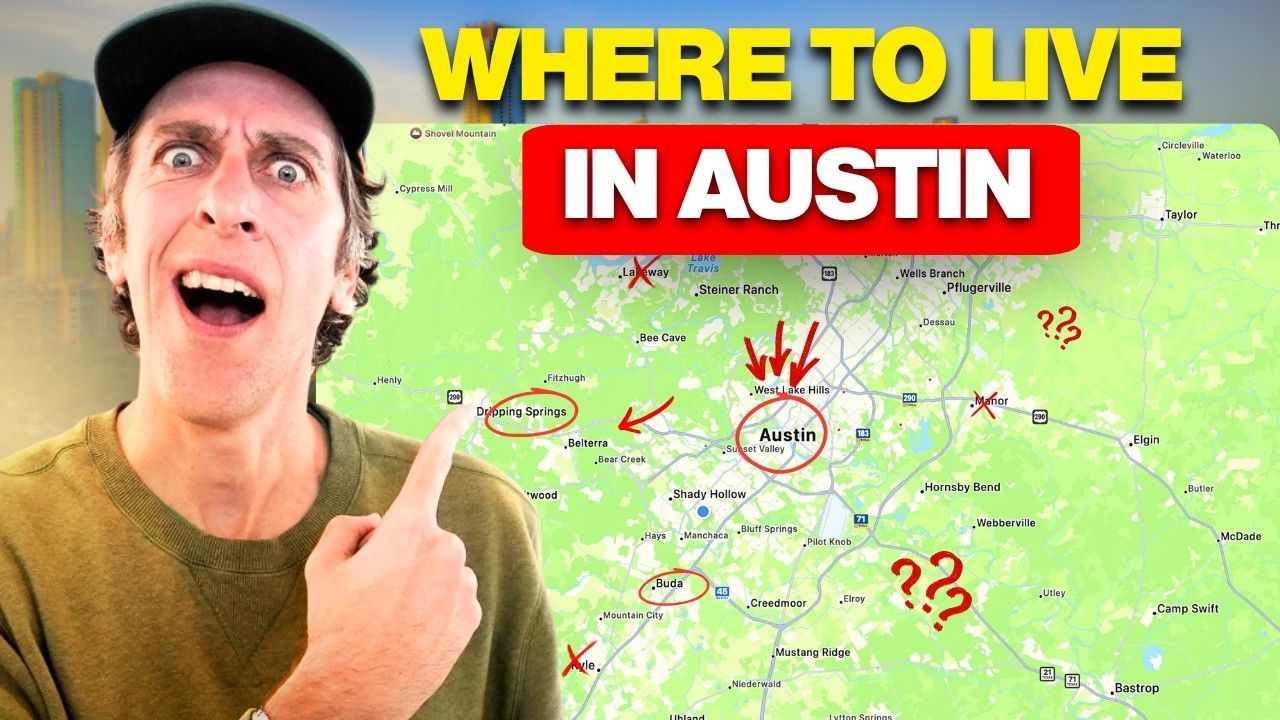
Austin is enormous when you include suburbs like Round Rock, Leander, Kyle, and Dripping Springs. Each pocket has its own character, amenities, and commute profile. The people who settle and thrive choose a pocket that matches their lifestyle and invest in it.
When moving to Austin, Texas, don’t chase the postcard. Define what matters—schools, commute, nightlife, walkability, green space—and pick the neighborhood that fits. Love for the city grows when you love where you live.
10. Adapting to Austin Lifestyle and Local Grocery Culture
HEB stores—local grocery favorites—have a cult following for a reason. Many newcomers arrive loyal to national chains, but it doesn’t take long to get hooked on local brands, produce quality, and specialty goods.
If you are moving to Austin, Texas, expect to adopt a few local food habits that become part of your routine. That’s part of what makes a city feel like home.
11. Social Life in Austin, Texas: Friendly People, Flaky Plans
Austinites are warm and approachable, but many are juggling new jobs, social calendars, and relocation logistics. A casual “let’s do lunch” sometimes stays casual. If building friendship is important, you need intentionality.
Join clubs, fitness groups, or community organizations. Do relationships on purpose: show up repeatedly, follow up directly, and create consistent routines where connections can deepen.
12. Austin School Districts Explained for New Residents
In Austin’s metro region school boundaries don’t always line up with city names. Parts of Cedar Park feed into Leander ISD. Some Austin neighborhoods belong to Round Rock ISD. The result: school expectations and neighborhood names don’t always match.
If public schools matter, treat school district maps as critical real estate data. Confirm exact addresses and attendance zones before you sign any lease or contract. Moving to Austin, Texas without doing this can lock you into a school reality you didn’t expect.
13. Utility Costs in Austin, Texas: What Your First Electric Bill Tells You
Houses in the Austin area can be spacious and relatively affordable compared with other major cities—but cooling and heating those spaces costs real money. Summers are hot and winters can dip surprisingly cold. That means running HVAC hard during both extremes.
When moving to Austin, Texas, calculate long-term utility costs into your housing budget. Sometimes a slightly smaller home with better insulation or a smart thermostat can save thousands a year.
14. Outdoor Living in Austin, Texas: Trails, Greenbelts, and Daily Life
A dominant local culture around fitness and outdoor life pulls residents outside. Trails, greenbelts, swimming spots, and neighborhood pools are everywhere. Barton Springs, Deep Eddy, Bull Creek, and the greenbelt waterfalls provide natural escapes minutes from neighborhoods.
The city’s energy nudges you into new activities. Expect to try hikes, cycling, or weekend swims. If you are moving to Austin, Texas, prepare to be drawn into a healthier, more active rhythm—unless you intentionally resist it.
15. Austin Weather Reality: Seasons That Don’t Behave
Austin’s seasonal flow is unpredictable. There is no reliable, textbook fall or spring here. You may have 90-degree October afternoons, mild winters, or random spring snow. This odd seasonality affects wardrobes, activities, and holiday planning.
When moving to Austin, Texas, keep versatile clothing and flexible plans. Your internal calendar will take a while to match the local one.
Practical Checklist Before Moving to Austin, Texas
- Map commute times to your work at peak hours using the exact address.
- Visit the actual neighborhood at different times of day and week.
- Confirm school attendance zones with address-level certainty.
- Estimate utility costs for the home size you want.
- Pick a pocket that matches your lifestyle, not just the city’s image.
VIEW HOMES FOR SALE IN AUSTIN, TEXAS
FAQs About Living in Austin, TX
Is Austin still worth moving to?
Yes. Austin remains one of the most attractive U.S. cities for lifestyle, food, music, and job growth. It does require realistic expectations about traffic, neighborhood choices, and costs, but people who land in the right pocket usually love it.
Where should I live if I work in tech?
Many tech jobs cluster north of the river. If your priority is a shorter commute to corporate campuses, look at North Austin suburbs and neighborhoods near major arterials. Balance commute time against the lifestyle you want.
How do I avoid surprises with school districts?
Get address-level confirmation from the district and the property seller or landlord. Don’t rely on neighborhood names alone—attendance zones can cut through communities unexpectedly.
How much will utilities add to my monthly budget?
Expect higher cooling costs in summer and meaningful heating costs in cold snaps. Large, less-efficient homes can add hundreds to the monthly budget during peak months. Factor this into your affordability calculations.
Is public transit viable for daily commuting?
Public transit options exist but are limited compared with larger metro systems. For many residents, driving is the primary option. If transit is essential, choose a pocket with good local connections or proximity to employers.
Will I make friends easily after moving to Austin, Texas?
People are friendly, and many newcomers are actively looking for community. However, meaningful relationships usually require intentional effort—join groups, attend recurring meetups, and follow up on invitations.
Final thoughts
Moving to Austin, Texas is an exciting step. The city’s energy, food scene, outdoors, and job market are powerful draws. Still, success in Austin depends on practical choices: choose the right pocket for your lifestyle, account for commute realities, understand school boundaries, and budget for utilities. Put effort into community and adopt a flexible attitude toward weather and culture.
If you prepare with the list above, you’ll reduce surprises and increase the odds of landing in a neighborhood you truly love. Welcome to a place that’s vibrant, complicated, and full of surprises.
Ready to find the right Austin neighborhood for you? Call or text us at (512) 855-2713 to get personalized neighborhood recommendations and a free relocation checklist. We’ll walk you through commute estimates, school zones, and local vibe so you can move with confidence—reach out today and let’s get started.
READ MORE: What $700K Buys You in Austin Texas Real Estate: City vs Suburbs