Introduction
People don't end up in East Austin by accident. Most of the buyers I work with have already tried on other parts of town, the suburbs with the big yards or the west side with the big price tags, and decided they'd rather live somewhere with a little more personality and a lot less driving. If you're thinking about moving to East Austin, TX, you're probably weighing the same trade: older homes, smaller lots and more noise in exchange for a neighborhood where you can walk to dinner and be downtown in ten minutes.
I'm Barrett Raven, a sixth-generation Austinite, and I've watched the east side change more than any other part of this city. This guide is the relocation version: not what to see on a weekend visit, but what you need to know before you buy a home here. It covers what East Austin costs, how the neighborhoods differ, what daily life and the commute feel like, and how it stacks up against the rest of Austin.
Table of Contents
-
- Introduction
- Moving to East Austin, TX: An Overview of the Area
- Is East Austin a Good Place to Live?
- Cost of Living in East Austin, Texas
- East Austin Real Estate: What Does It Cost to Buy a Home?
- Best Neighborhoods in East Austin, TX
- What Is It Like Living in East Austin?
- Things to Do in East Austin: Restaurants, Entertainment, and Outdoor Activities
- Schools and Education in East Austin
- Commuting and Getting Around East Austin
- Jobs and Employment Opportunities Near East Austin
- Pros and Cons of Moving to East Austin, TX
- East Austin vs. Other Austin Neighborhoods: Which Is Right for You?
- Is Moving to East Austin the Right Choice for You?
- Frequently Asked Questions About Moving to East Austin
Moving to East Austin, TX: An Overview of the Area
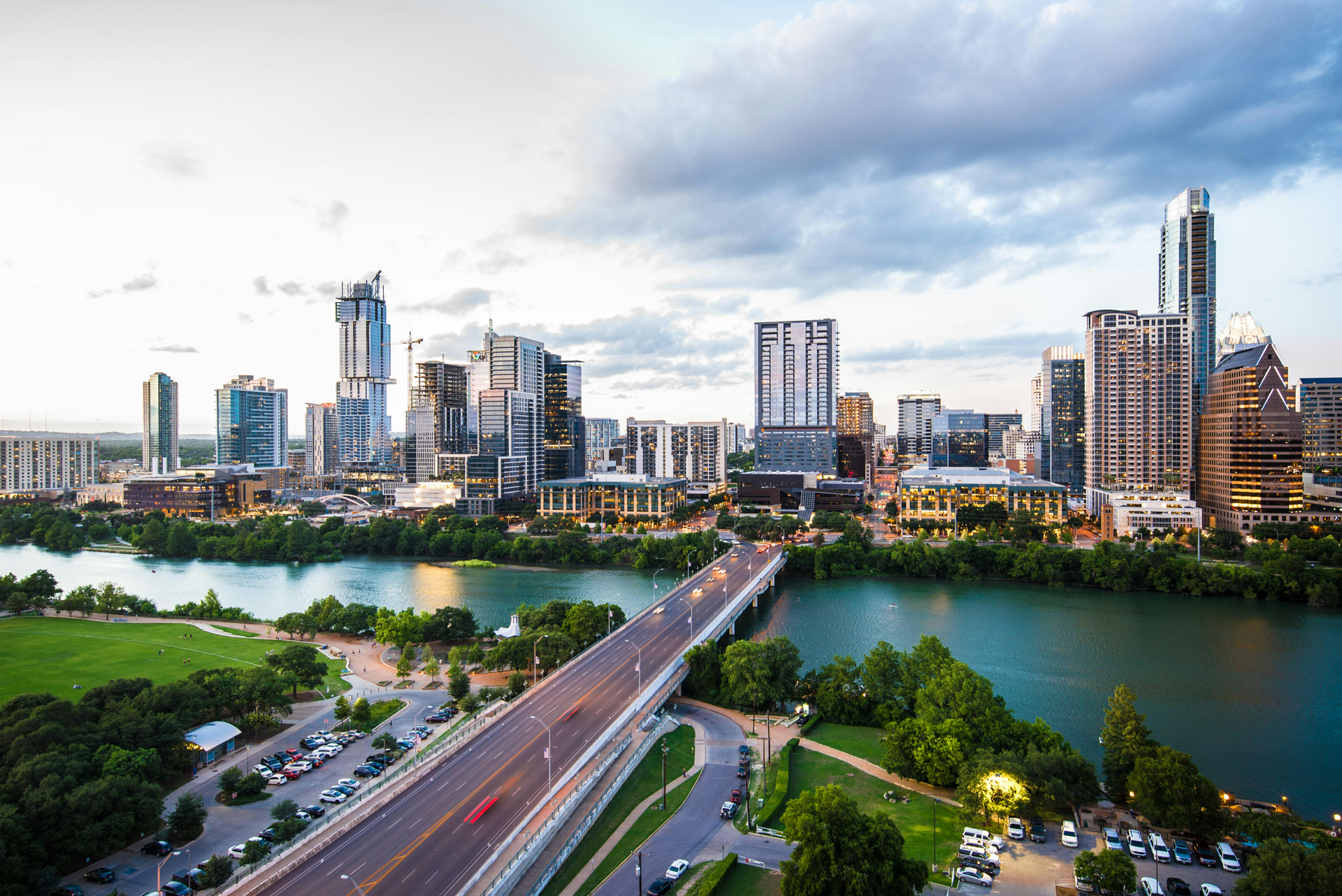
When locals say "East Austin," they usually mean everything east of I-35, the highway that has split this city for more than 60 years. The core runs from I-35 out toward Highway 183, with Lady Bird Lake and the Colorado River on the south and roughly Manor Road and MLK Boulevard to the north. Most people picture the 78702 zip code, but the east side stretches north into 78722 and 78723 (Cherrywood, Mueller and Windsor Park) and south of the river into East Riverside.
That highway matters more than you'd think. For decades, city planning pushed Black and Hispanic families to the east side, and I-35 hardened that line. The result is that East Austin grew up with its own churches, corner stores, taquerias, music halls and family businesses, separate from the Austin most visitors saw. That history is still everywhere you look, from the Victory Grill on East 11th to the murals along East Cesar Chavez.
Over the past 15 years, the east side has changed faster than any other part of Austin. New restaurants, breweries, creative offices and modern homes have moved in alongside the neighborhood's long-time residents. For a buyer, that creates something you can't find in the suburbs: old and new on the same block, and a neighborhood that is still in the middle of its story.
Is East Austin a Good Place to Live?
For the right buyer, it's one of the best places to live in Austin. Here's who I see thrive on the east side:
- People who hate commuting. Downtown, UT and the airport are all close, which is rare in a city this spread out.
- People who want to walk somewhere. Coffee, tacos, a brewery and a park within a few blocks is normal here. In most Austin suburbs, it's a drive.
- Buyers who like character. If a cookie-cutter subdivision makes you uneasy, East Austin's mix of bungalows, ranch homes and modern builds will feel like home.
- Buyers thinking long term. Planned transit, ongoing redevelopment and a location next to downtown give the east side solid long-term fundamentals.
And here's who tends to struggle:
- Families who want a top-rated school without researching specific campuses
- Buyers who want a big yard, a three-car garage and quiet streets everywhere
- Anyone who wants a neighborhood that won't change, because East Austin is still changing
In short: if you value location and personality over square footage and uniformity, East Austin is hard to beat.
Cost of Living in East Austin, Texas
East Austin costs more than the suburbs but less than most of Central, South and West Austin. The real savings show up in places people don't always count: less driving, fewer extra taxes and a lifestyle where you can skip the car on weekends.
Property taxes
The east side neighborhoods in this guide sit inside Austin city limits and Austin ISD, where the combined rate runs roughly 2.1% of your home's value before exemptions. The homestead exemption takes $140,000 off your value for school taxes and the city takes off another 20%, so file right after closing.
Here's where East Austin stands out: most of it has no MUD or PID tax. In many newer suburbs, those districts add a big chunk to the tax bill. On the east side, what you see is usually what you pay.
Utilities and getting around
Austin Energy and Austin Water serve the east side, so there's no shopping for providers. Older homes with original windows can be expensive to cool in summer, so ask for the seller's utility history. On the flip side, many East Austin households drive less than suburban ones. Some get by with one car instead of two, which can save several hundred dollars a month.
East Austin Real Estate: What Does It Cost to Buy a Home?
Across East Austin as a whole, the typical home sells somewhere around $550,000 to $650,000, depending on whose data you use. That's roughly in line with the City of Austin median, which has held near $550,000 this fall even as the wider metro slipped closer to $400,000. But that average hides a huge range:
| Area | Typical Price Range (Estimate) |
|---|---|
| Holly and East Cesar Chavez | Around $650,000 to well over $1 million |
| Central East Austin (Rosewood, Chestnut) | Around $550,000 to $700,000 |
| Cherrywood | Around $500,000 to $1 million |
| Mueller | Around $500,000 to $650,000 |
| Windsor Park and University Hills | Around $400,000 to $550,000 |
| East Riverside | Around $300,000s |
| Condos and Townhomes | From around $280,000 to $350,000 |
What you're actually buying
East Austin housing comes in four main types, and each one comes with its own trade-offs:
- Original bungalows (1920s to 1950s). Lots of character and often good-sized lots. Budget for foundation, plumbing and electrical updates.
- Modern infill. Two- or three-story homes, often two built on one original lot. Great finishes and efficiency, small yards and tight parking.
- Mid-century ranch homes. Mostly in Windsor Park and University Hills. Bigger lots and room to renovate.
- Mueller new construction. Newer homes, rowhouses and condos with an HOA and planned parks.
Market conditions
The east side market is slower than it was a few years ago. Homes are taking a couple of months or more to sell, a lot of listings sit, and mortgage rates around 7% are keeping some buyers on the sidelines. That gives you room to negotiate on price, repairs and closing costs. Well-priced homes on great streets still move quickly, so be ready when the right one hits.
Best Neighborhoods in East Austin, TX
Each East Austin neighborhood has its own personality. Here's how I describe them to clients who are new to the east side.
Holly
Holly sits on the river, with the hike-and-bike trail and Festival Beach right there. It's one of the oldest Hispanic neighborhoods in Austin, and you'll see it in the family homes, murals and taquerias. It's also where some of the east side's most expensive new homes are going up. Best for: buyers who want water, trails and downtown within a short bike ride.
East Cesar Chavez
Just north of Holly, East Cesar Chavez is a mix of small cottages, new modern homes and a commercial corridor full of local spots. Best for: buyers who want to walk to dinner and don't mind some activity on the main streets.
Rosewood, Chestnut and Blackland
This is the historic heart of Black East Austin, with deep roots, Rosewood Park and plenty of community pride. You're close to the East 11th and 12th Street corridors and a quick drive to downtown. Best for: buyers who want character and history close in.
Govalle and Johnston Terrace
A bit farther east, Govalle offers more new construction, some bigger lots and a quieter feel than the 78702 core. Best for: buyers who want East Austin without living next to the nightlife.
Cherrywood and French Place
North of Manor Road, Cherrywood has shady streets, 1930s to 1950s bungalows and an active neighborhood association. It's one of the most stable, walkable pockets on the east side. Best for: families and professionals who want a classic neighborhood feel near UT.
Mueller
Mueller is East Austin's planned neighborhood, built on the old airport site. Think parks, a lake, a town center, an H-E-B and Dell Children's hospital, all within walking distance. Best for: families who want newer homes, sidewalks and a built-in community.
Windsor Park and University Hills
Wide streets, mature trees and mid-century ranch homes on bigger lots, often at prices below the 78702 core. Best for: buyers who want space and value without leaving central Austin.
East Riverside
South of the river, East Riverside is the value end of East Austin, with lots of condos and townhomes. The planned light rail line is expected to run along East Riverside Drive. Best for: first-time buyers and investors with a long-term view.
What Is It Like Living in East Austin?
Day to day, East Austin feels more like a city neighborhood than anywhere else in Austin outside downtown. A typical Saturday for a lot of my clients looks like this: a walk to a coffee trailer, a morning run on the river trail, lunch from a taco truck, an afternoon at a brewery patio and dinner somewhere you can walk home from.
A few things set daily life here apart from the rest of Austin:
- Local businesses run the show. National chains are rare in the 78702 core. You'll get to know the owner of your coffee shop, barber and corner taqueria.
- Density is normal. Homes are closer together, many are two or three stories, and parking can be tight on some streets. Neighbors are close in every sense.
- Noise varies by block. Streets near East 6th, East 7th and East 11th get busy at night. A few blocks away, it can be completely quiet. Always visit on a Friday night before you buy.
- Construction is part of life. New homes and commercial projects are going up all the time. Expect some dust and trucks, and ask what's planned for the lot next door.
- Community still matters. Long-time residents, churches and neighborhood associations are active. The neighbors who do best here are the ones who show up, support local businesses and respect the people who were here first.
If you're coming from a suburb with an HOA that controls every fence and mailbox, East Austin will feel looser and more varied. Most people who move here say that's exactly the point.
Things to Do in East Austin: Restaurants, Entertainment, and Outdoor Activities
The difference between East Austin and the suburbs isn't that there's more to do. It's that it's close enough to walk to.
Restaurants
East Austin has one of the highest concentrations of independent restaurants in Texas. Each corridor has its own feel:
- East Cesar Chavez: long-time taquerias, panaderias and family-run Tex-Mex
- East 6th: cocktail bars, chef-driven restaurants and late-night food trucks
- East 11th and 12th: barbecue (including Franklin Barbecue, where people still line up at dawn), soul food and neighborhood spots
- Mueller: the Aldrich Street district, with restaurants, a movie theater and a weekend farmers market
Entertainment and culture
Live music venues and dive bars line East 6th, and you'll find smaller stages, art galleries and studio spaces scattered through the neighborhood. For history and culture, the George Washington Carver Museum and the Victory Grill on East 11th tell the story of Black Austin, and murals across the east side reflect the area's Mexican American roots. Families in Mueller love the Thinkery children's museum.
Outdoor activities
- Lady Bird Lake and the Butler Hike-and-Bike Trail: run, bike or paddle from Holly and East Cesar Chavez
- Festival Beach and Edward Rendon Sr. Park: lakeside picnics and open space
- Mueller Lake Park and the Southwest Greenway: trails, playgrounds and a lake in the middle of the neighborhood
- Neighborhood parks: Rosewood, Govalle, Patterson and Givens parks all offer pools, fields or courts
- Boggy Creek Farm: an urban farm and farm stand right in East Austin
Schools and Education in East Austin

This is the part of East Austin that takes the most homework. The neighborhoods are served by Austin ISD, and school quality on the east side varies more from campus to campus than almost anywhere else in the district. Home prices here are driven by location and lifestyle, not school ratings, so you can't assume a pricier street means a stronger school.
A few examples from recent Texas Education Agency ratings show the range:
- Maplewood Elementary, in Central East Austin, has earned an A and is one of the strongest elementary schools in the district.
- Blackshear Elementary has rated around a C and feeds into Kealing Middle School.
- Govalle Elementary has struggled with failing ratings.
- Kealing Middle School is home to a well-known magnet program that draws students from across the city.
- Eastside Early College High School has posted a lower overall rating but earns most of the state's distinction designations and lets students take college classes for free.
Austin ISD has also been closing and consolidating some campuses, including a few on the east side, so check current boundaries before you buy.
My advice for families
- Look up the exact schools assigned to every address you're considering, not just the district.
- Visit the campuses and talk to parents in the neighborhood.
- Ask about magnet, transfer and dual-language programs, which can open options beyond your zoned school.
- Look at charter and private schools nearby if your zoned school isn't the right fit.
For higher education, East Austin is home to Huston-Tillotson University, and UT Austin and Austin Community College's Eastview campus are both close by.
Commuting and Getting Around East Austin
If there's one reason people pick East Austin over the suburbs, it's the commute. Here are typical drive times from the east side (outside of peak rush hour):
| Destination | Typical Drive (Estimate) |
|---|---|
| Downtown Austin | About 5 to 15 minutes |
| UT Austin and the Medical District | About 10 to 15 minutes |
| Austin-Bergstrom International Airport | About 15 to 20 minutes |
| Tesla Giga Texas | About 15 to 25 minutes |
| The Domain and North Austin Tech Campuses | About 20 to 35 minutes |
| Samsung's Taylor Fab | About 40 to 50 minutes |
Biking, walking and transit
East Austin is one of the easiest places in the city to live with fewer car trips. Bike lanes run along several east-west streets, and the river trail connects Holly and East Cesar Chavez to downtown. CapMetro's rapid bus lines now serve East Austin, connecting Mueller, the east side and downtown. Austin's first light rail line is planned to open around 2033, with an east branch along East Riverside Drive. Funding and timing can still shift, but it's a real long-term plus for the east side.
The I-35 factor
The catch is I-35. The highway rebuild through central Austin will bring lane closures and detours into the early 2030s. The good news for east siders: the project is designed to lower the highway and add crossings, which should eventually make it easier to get between East Austin and downtown. In the meantime, drive your commute at rush hour before you buy.
Jobs and Employment Opportunities Near East Austin
East Austin sits in a sweet spot between the city's two biggest job zones: downtown and UT to the west, and the fast-growing industrial corridor to the east.
- Downtown and the Capitol: state government, law firms, finance, tech offices and hospitality, all within a short drive or bike ride
- UT Austin and the medical district: the university, Dell Seton Medical Center and the Dell Medical School
- Mueller: Dell Children's Medical Center, offices and retail right in the neighborhood
- Tesla Giga Texas: one of the largest employers in the region, about a 15- to 25-minute drive east
- The airport and the SH 130 corridor: logistics, aviation and manufacturing jobs
- Samsung in Taylor: the new chip plant northeast of Austin is expected to add close to 2,000 jobs as it ramps up
The east side also has a strong small business and creative economy: restaurants, design studios, breweries, production companies and startups operating out of converted warehouses. Many residents work remotely, and East Austin's coffee shops and coworking spaces make that easy.
One thing to keep in mind: several large tech employers, including Apple, sit in North Austin near the Domain. If your job is up there, Mueller and Windsor Park will give you a much easier drive than Holly or East Cesar Chavez.
Pros and Cons of Moving to East Austin, TX
| Pros | Cons |
|---|---|
| Minutes from downtown, UT and the airport | Prices are well above the suburbs |
| Walkable and bikeable, especially in the 78702 core | Smaller lots and tighter parking with newer homes |
| Independent restaurants, bars and shops | Bar and venue noise on some blocks |
| Real history and neighborhood character | Ongoing construction and change |
| Mostly no MUD or PID taxes | School quality varies widely by campus |
| Wide range of home styles and price points | Flood risk near some creeks |
| Long-term upside from transit and redevelopment | Older homes can need costly updates |
The way I put it to buyers: East Austin trades space for location. If you'd rather spend your time at a patio than in your car, the pros usually win.
East Austin vs. Other Austin Neighborhoods: Which Is Right for You?
Most of my clients end up comparing East Austin against two or three other options. Here's how they stack up:
| Area | Typical Price (Estimate) | Feel | Commute to Downtown | Choose It If... |
|---|---|---|---|---|
| East Austin | Around $550,000 to $650,000 | Urban, creative, changing | About 5 to 15 min | You want walkability and local character |
| South Austin (78704) | Around $750,000 to $800,000+ | Classic Austin, established | About 10 to 15 min | You want Zilker and South Congress and can pay more |
| Central Austin (Hyde Park, Tarrytown) | Around $700,000 to well over $1 million | Historic, quieter, established | About 5 to 15 min | You want older homes and stable neighborhoods |
| North Austin and the Domain | Around $400,000 to $550,000 | Suburban-urban, tech-focused | About 20 to 35 min | You work up north |
| Suburbs (Round Rock, Pflugerville, Leander, Kyle) | Around $350,000 to $450,000 | Newer homes, bigger lots, HOAs | About 25 to 45+ min | You want space and newer construction |
East Austin vs. South Austin
These two get compared more than any others. South Austin is more established and costs well over $100,000 more at the median in 78704. East Austin is a bit rougher around the edges, still changing, and gives you more house for the money near downtown.
East Austin vs. the suburbs
A suburb like Pflugerville or Kyle gets you a newer, bigger house for less money, but often with MUD taxes, an HOA and a longer drive. East Austin gets you an older or smaller home, usually with no extra MUD tax, and a much shorter commute.
Is Moving to East Austin the Right Choice for You?
Moving to East Austin, TX makes the most sense if you care more about where you live than how much house you get. You'll trade some square footage and yard space for a short commute, walkable streets, local businesses and a neighborhood with real history. With the market slower than it's been in years, buyers have more choices and more negotiating room on the east side right now.
The key is picking the right pocket. Holly, Cherrywood, Mueller and Windsor Park are all East Austin, but they feel like four different places, with different prices, schools and noise levels. That's where local help makes the biggest difference.
If you're thinking about relocating to East Austin, I'd love to show you around. Call or text me at 512-855-2713 or email barrett@ravengrouptx.com. We can walk the neighborhoods together, in person or on a live video tour, and find the streets that fit your budget and the way you want to live.
Frequently Asked Questions About Moving to East Austin
Is East Austin expensive?
It's more expensive than the suburbs but generally less expensive than South, Central and West Austin. Typical home prices run somewhere around $550,000 to $650,000, with a wide range from the $300,000s for condos to well over $1 million for new homes near the river.
What zip codes are in East Austin?
The core is 78702. Many people also count 78722 (Cherrywood), 78723 (Mueller and Windsor Park), 78721 (east of Airport Boulevard) and 78741 (East Riverside) as part of the east side.
Is East Austin safe?
Like any urban area, it depends on the block. Streets near the bar corridors see more late-night activity, while residential pockets such as Cherrywood, Mueller and Windsor Park tend to feel quieter. Check the Austin Police Department's crime map for specific addresses and visit the area at night before you buy.
Is East Austin good for families?
It can be, especially in Mueller, Cherrywood and Windsor Park, which have parks, sidewalks and strong neighborhood communities. Schools vary a lot by campus, so look up the specific schools assigned to each home and explore magnet and transfer options.
Does East Austin have HOAs or MUD taxes?
Most of East Austin doesn't have a MUD or PID tax, and many older neighborhoods have no HOA. Mueller and some newer developments do have HOAs, so check before you make an offer.
Does East Austin flood?
Some areas do, mostly near the creeks that drain into the Colorado River. Check any address on the City of Austin's FloodPro map and get a flood insurance quote during your option period.
Can I live in East Austin without a car?
In the 78702 core, many people get by with one car or none for daily errands, thanks to bike lanes, the river trail and rapid bus lines. Most households still keep at least one car for longer trips.
Is now a good time to buy in East Austin?
For many buyers, yes. Homes are taking longer to sell, sellers are negotiating, and the neighborhood's long-term fundamentals, including its location and planned transit, remain strong.
Still have questions about moving to East Austin? Call or text me at 512-855-2713 or email barrett@ravengrouptx.com.