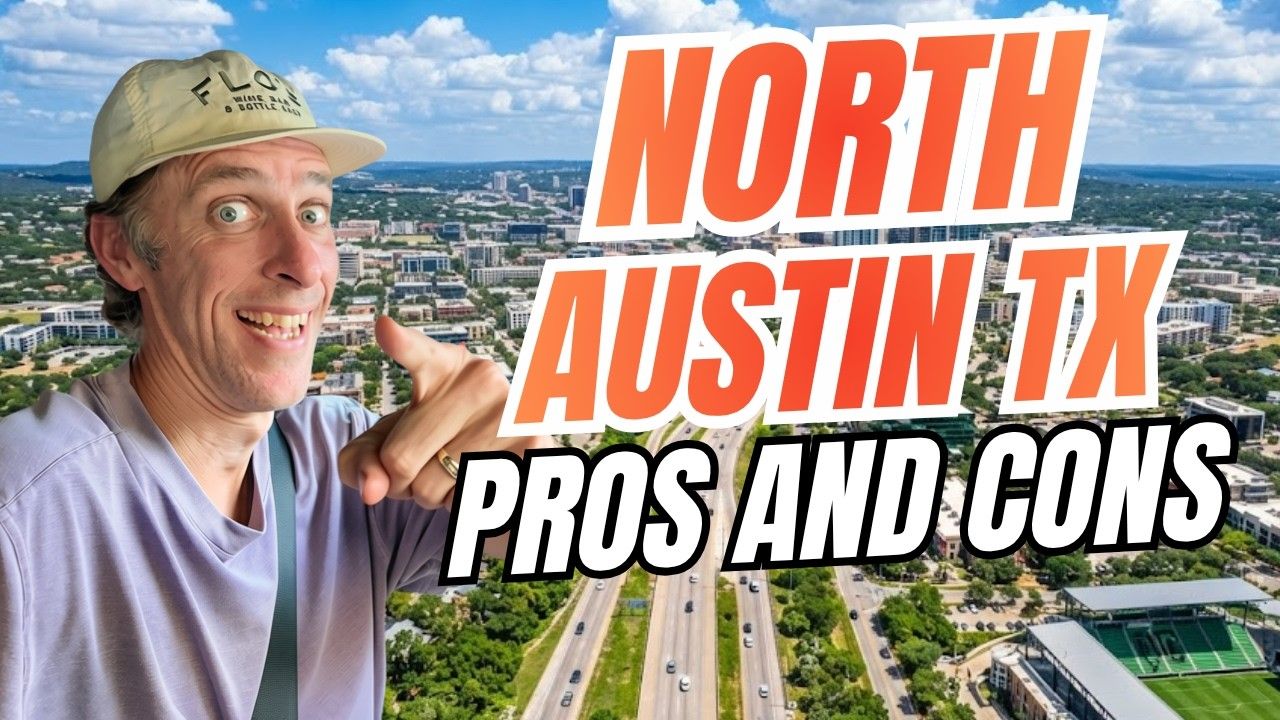
If you are moving to South Austin TX, one of the biggest mistakes you can make is choosing the wrong part of town for your personality and lifestyle. Austin has a real north-south divide, and it is not just geography. It is culture, pace, housing style, commute patterns, and day-to-day feel.
That is why moving to South Austin TX deserves a little more thought than simply pulling up listings and picking a house that looks nice online. You can absolutely find a great home here. But if you end up in the wrong area, it can feel like you moved into someone else’s version of Austin instead of your own.
Table of Contents
- Introduction to Living in South Austin, TX
- Why South Austin, TX Is Different from North Austin
- What the Map Reveals About Living South of the River in Austin, TX
- Main Roads You Need To Know Before Moving To South Austin TX
- Best Neighborhoods in South Austin, TX
- How to Choose the Best South Austin Area for Your Lifestyle
- FAQs About Living in South Austin, TX
- Final Thoughts on Living in South Austin, TX
Introduction to Living in South Austin, TX
South Austin is unique. It is more laid-back, more eclectic, more spread out in places, and in many pockets a lot greener than the northern side of the metro. There are breweries, music venues, older established neighborhoods, rural-feeling enclaves, and hill country escapes that still connect back to Austin. At the same time, there are practical tradeoffs like commute routes, school districts, construction, internet access in some rural areas, and the reality that I-35 can test your faith.
This guide breaks down the major roads, the overall vibe of South Austin, and the best areas to consider if you are moving to South Austin TX and trying to decide where you actually belong.
EXPLORE COMMUNITIES IN GREATER AUSTIN, TX
Why South Austin, TX Is Different from North Austin
The first thing to understand about moving to South Austin TX is that the Colorado River creates more than a physical boundary. In Austin culture, anything north of the river is North Austin, and anything south of it is South Austin.
Historically, South Austin has been seen as more blue-collar, artsy, quirky, and a little rougher around the edges in a good way. North Austin developed more of a reputation for business-minded, wealthier, more polished suburban growth. Those stereotypes are not perfect, and Austin has changed a lot over time, but the divide still shows up when you drive around.
North of the river, you tend to find:
- More tech jobs
- The Capitol
- More hospital concentration
- More dense suburban development
- Large master-planned communities in every direction
South of the river, you are more likely to find:
- Breweries and music venues
- Artsy and laid-back neighborhoods
- More green space once you get outside central areas
- Country roads and hill country access
- A little more breathing room
If you want to be packed close to jobs, dense development, and major suburban infrastructure, North Austin may feel more intuitive. If you want room to spread out, a slightly slower rhythm, and a more relaxed personality, moving to South Austin TX may be exactly right.
What the Map Reveals About Living South of the River in Austin, TX
One of the easiest ways to understand living in Austin TX on the south side is to simply look at the map.
North Austin is filled in. Cedar Park, Leander, Liberty Hill, Georgetown, Round Rock, Pflugerville, Wells Branch, Brushy Creek, and beyond all blend into heavy development and dense neighborhoods.
South Austin is different. Once you move beyond central areas, the map turns green fast. There is farmland, open land, and much less continuous development. Even in 2025, the difference is obvious.
That matters because the map predicts lifestyle:
- More density usually means more nearby retail, jobs, and neighborhood options.
- More green space usually means more privacy, more scenic drives, and often longer or more specific commute routes.
That is why someone can love Austin but hate the wrong side of Austin. The city is not one-size-fits-all.
Main Roads You Need To Know Before Moving To South Austin TX
If you are moving to South Austin TX, your road network matters almost as much as your neighborhood. In some areas, one bad commute route can completely change how you feel about where you live.
I-35
I-35 runs north toward Dallas and south toward San Antonio. It is one of the main arteries through the region, especially for Buda and Kyle. It is also infamous. If your routine depends heavily on I-35, you need to factor that into your decision.
MoPac
On the map it appears as Loop 1, but locally everyone calls it MoPac. A lot of directions in Austin are given relative to MoPac and I-35. If you are coming from out of town, learn that name now.
Highway 71 To Ben White To 290
This corridor changes names as it moves across the city. East of I-35 it is Highway 71. Around central Austin it becomes Ben White Boulevard. Farther west it connects to 290 toward Dripping Springs. This is a critical route for accessing southwest areas.
Highway 183
183 runs from the northwest down into the southeast and beyond. It is an important connector if you need flexibility moving across the metro.
Toll Roads 130 And 45
130 loops around farther east, and 45 ties into the southern side of the region. These can matter if you are trying to avoid central congestion or if you are living farther out.
Other key landmarks to know include Barton Springs Pool, Zilker Park, and the Austin airport, all of which help orient the south side of the city.
Best Neighborhoods in South Austin, TX
Buda: Close To Austin With A Small-Town Feel
Buda sits just south of Austin and is one of the first places many people consider when moving to South Austin TX. Also, and this matters, it is pronounced Byoo-duh, not “Buddha.” Save yourself the awkward correction.
Buda works well for people who want to stay as close to Austin as possible while still getting better affordability and more of a family-oriented environment.
What stands out in Buda:
- A charming historic downtown
- Good local coffee and dining spots
- A classic Texas small-town vibe
- Strong master-planned community options
- Some opportunities for larger lots and nicer homes
Buda is a particularly good fit if you want modern conveniences without giving up that slower, more neighborly feel. It is part of Hays CISD, and the schools are often considered pretty solid for the price point.
Best for: families, people who want affordability near Austin, and anyone who likes a small-town atmosphere with practical amenities.
Main downside: you will likely rely on I-35, and that can be brutal.
Typical home price: about $350,000 to $400,000 for a standard three- or four-bedroom home.
Kyle: Fast Growth And Strong Value
Kyle has exploded. For multiple years, it has been recognized as one of the fastest-growing cities in the country, and that growth shows up everywhere.
If you are moving to South Austin TX and affordability is a top priority, Kyle deserves a serious look. A lot of housing stock is newer because developers have been racing to meet demand.
Kyle offers:
- Many new construction neighborhoods
- Plenty of master-planned communities
- Entry-level and first-time buyer opportunities
- More modern suburban amenities than some rural-feeling areas
This is one of the best fits for people who want a newer home without paying Austin proper prices. It can also work well for buyers who want predictability in floorplans, community amenities, and overall neighborhood design.
Best for: first-time home buyers, budget-conscious households, and anyone prioritizing value and newer housing.
Main downside: infrastructure is still catching up. With rapid growth comes traffic, road pressure, and a lot of ongoing construction.
Typical home price: about $300,000 to $350,000.
Dripping Springs: Hill Country Beauty And Higher Price Tags
Dripping Springs is a completely different animal from Buda and Kyle. This is where South Austin starts leaning hard into hill country living, more space, and a more upscale feel.
People who choose Dripping Springs are often looking for:
- Larger homes
- Larger lots or acreage
- Luxury estates
- Modern farmhouse and country-style builds
- Wineries, views, and privacy
- Top-rated schools
There are master-planned communities here too, but the broader appeal is the combination of scenic beauty and elbow room. If your dream version of living in Austin TX involves outdoor space, rolling views, and not hearing your neighbor sneeze through the wall, Dripping Springs may be exactly your speed.
Best for: buyers who want privacy, space, hill country scenery, and are comfortable paying more for it.
Main downsides: longer commutes into Austin and higher purchase prices. Most routes depend on 290, which can get frustrating.
Typical home price: around $750,000 to $1 million for a nice-sized home on a nice-sized lot.
Manchaca: Established Neighborhoods And Laid-Back South Austin Energy
Manchaca, often pronounced more like “Manshack” locally, sits closer to central South Austin and has a very different housing mix from the high-growth suburbs.
Here you are more likely to find:
- Older, established neighborhoods
- Less new development
- More character and mature lots
- A suburban-rural feel
One standout nearby area is Shady Hollow, which has long been a desirable move-up destination for South Austin locals. It carries that “I made it to the neighborhood I always wanted” kind of reputation.
Manchaca is a good fit if you want to stay fairly close to central South Austin but still enjoy more space and privacy than you would get closer to the urban core.
Best for: people who want a laid-back environment with established neighborhoods and relatively close-in access.
Main downside: fewer retail and restaurant options compared with suburbs like Buda or Kyle.
Typical home price: about $425,000 to $600,000.
Sunset Valley: Rural Charm In The Middle Of Everything
Sunset Valley is one of the most unusual pockets in the entire area. It sits right near MoPac and Ben White, basically in the mix of the city, but somehow feels rural and spread out.
That contrast is exactly what makes it so appealing.
Sunset Valley offers:
- A quiet, laid-back atmosphere
- Urban convenience with a rural feel
- Very little new construction
- Neighborhood protection against overdevelopment
- No city property taxes
The lack of city property taxes is a big plus. The downside is that inventory is extremely limited. Homes here do not come up often, and when people land in Sunset Valley, they tend to hang on tight.
Best for: buyers who want a rare combination of central access, lower taxes, and a low-key rural atmosphere.
Main downsides: high pricing and very low turnover.
Typical home price: roughly $800,000 to $1.2 million, though availability can be the bigger issue.
Driftwood And Wimberley: Peace Privacy And Hill Country Lifestyle
Driftwood and Wimberley often get talked about together because they share a similar emotional appeal, even if they are not right next door on the map. Both tap into that peaceful hill country lifestyle that draws people out of the city.
These areas are ideal if your priorities are:
- Large properties
- Serious privacy
- Scenic views
- A small-town hill country vibe
- Unique homes, from cottages to estate compounds
Wimberley gets a special nod because the Blanco River runs through it, which opens the door to riverfront homes. Of course, if you want a good house on the river with land, prepare to pay for that privilege.
These are the kinds of places people gravitate toward when they are done with hustle and want peace. The challenge is that peace comes with tradeoffs.
Main downsides:
- Fewer local job opportunities tied to major Austin industries
- Longer drives into Austin
- Internet reliability can be an issue in some locations
That last one catches a lot of remote workers off guard. It sounds great to work from the woods until you remember you actually need fast, stable internet.
Typical home price: about $750,000 to $900,000 in many cases, but premium riverfront or high-acreage properties can easily run $1.5 million to $3 million.
Lockhart: Affordable Small-Town Energy And Legendary Barbecue
No serious conversation about moving to South Austin TX is complete without Lockhart.
Lockhart has long been famous for barbecue, and yes, the reputation is deserved. But it has also been growing significantly, and that growth has changed the feel of the town. It still has strong small-town identity, but there is more energy, more family activity, and more momentum than many people expect.
People who love Lockhart usually love:
- The affordability
- The strong local community feel
- Family-oriented events and activities
- The fact that it still feels like its own place
- Ridiculously good barbecue
This is a solid option if you do not need to commute into Austin all the time and you want your budget to stretch much farther.
Best for: buyers who value affordability, community involvement, and small-town life over constant access to big-city amenities.
Main downsides: fewer modern amenities than some other Austin-area suburbs, and a less convenient setup for frequent Austin commuting.
Typical home price: around $250,000 to $350,000.
For context, when Austin proper has average single-family home prices above $800,000, that kind of number is wild.
How to Choose the Best South Austin Area for Your Lifestyle
If you are moving to South Austin TX, the smartest approach is not to ask, “What is the best suburb?” The better question is, “What is the best fit for how I actually want to live?”
Use this quick breakdown:
- Choose Buda if you want affordability, family-friendly neighborhoods, and a small-town vibe close to Austin.
- Choose Kyle if you want newer housing, value, and do not mind growth-related construction and infrastructure catch-up.
- Choose Dripping Springs if you want hill country views, larger lots, and are comfortable with a higher budget.
- Choose Manchaca if you like established neighborhoods, more privacy, and being closer to central South Austin.
- Choose Sunset Valley if you want rare close-in rural charm and can handle low inventory and premium pricing.
- Choose Driftwood or Wimberley if privacy and scenery matter more than commute convenience and perfectly reliable infrastructure.
- Choose Lockhart if affordability and community are top priorities and you do not need to be in Austin every day.
The reason so many people get tripped up when moving to South Austin TX is that they shop with their eyes first and their lifestyle second. A beautiful home is great. A beautiful home in the wrong daily ecosystem gets old fast.
EXPLORE COMMUNITIES IN GREATER AUSTIN, TX
FAQs About Living in South Austin, TX
Is South Austin Better Than North Austin?
Neither is universally better. South Austin is usually a better fit for people who want a laid-back, artsy, greener, more spread-out feel. North Austin often appeals more to people who want denser suburban development, proximity to tech jobs, and easier access to major employment centers.
What Is The Most Affordable Area For Moving To South Austin TX?
Lockhart is the most affordable area discussed, with many homes around $250,000 to $350,000. Kyle is also one of the stronger value options, generally around $300,000 to $350,000.
Is Buda Or Kyle Better For Families?
Both can work well for families. Buda has a stronger small-town downtown feel and solid family appeal close to Austin. Kyle offers more new construction and modern suburban growth, which can be attractive for first-time buyers and households prioritizing value.
What Is The Best Luxury Option In South Austin?
Dripping Springs stands out for upscale hill country living, larger homes, larger lots, scenic views, and strong schools. Sunset Valley can also be a premium choice, but inventory there is extremely limited.
Are Driftwood And Wimberley Good For Remote Work?
They can be, but only with caution. These areas offer privacy and peace, but internet reliability can be inconsistent in some locations. Anyone working remotely should verify connection quality before committing.
What Is The Biggest Commute Issue In South Austin?
I-35 is a major issue for many south-side commuters, especially for places like Buda and Kyle. Access routes like 290 can also become frustrating for areas such as Dripping Springs.
What Makes Sunset Valley So Unique?
Sunset Valley combines a rural, spread-out feel with a location that is right in the middle of the city. It also benefits from no city property taxes, limited new construction, and a highly protected neighborhood character.
Final Thoughts on Living in South Austin, TX
Moving to South Austin TX can be one of the best decisions you make if the south-side lifestyle matches who you are. This part of the metro has personality. It has breathing room. It has neighborhoods and towns that still feel distinct from one another, which is becoming rarer in fast-growing cities.
But South Austin is not just one thing. Buda is not Dripping Springs. Kyle is not Wimberley. Sunset Valley is not Lockhart. If you treat them all like interchangeable “Austin suburbs,” you are going to miss what makes each one right or wrong for you.
The smart move is to start with your actual priorities:
- Budget
- Commute tolerance
- Need for land or privacy
- School priorities
- Desire for retail and restaurant access
- Comfort with growth, construction, or rural limitations
- Budget
- Commute tolerance
- Need for land or privacy
- School priorities
- Desire for retail and restaurant access
- Comfort with growth, construction, or rural limitations
Get those right, and living in Austin TX on the south side can feel exactly the way people hope Austin will feel: relaxed, interesting, and full of character.
Ready to find the best South Austin fit for you? Call or text me, Barrett Raven at (512) 855-2713 and I'll help you narrow down neighborhoods fast.
READ MORE: Living in Buda TX: Neighborhoods, Commute, Schools and Lifestyle