Table of Contents
- Why Choosing the Right Austin Neighborhood Matters
- Best Places to Live in Austin Based on Your Lifestyle
- Austin Neighborhoods Locals Love (Honorable Mentions)
- Austin Neighborhood Price Breakdown: What You Get at Every Budget
- How to Narrow Down Your Austin Neighborhood Shortlist
- Common Mistakes People Make When Moving to Austin
- Quick Snapshots of Austin’s Most Popular Neighborhoods
- How to Get Personalized Help Finding the Right Austin Neighborhood
- Austin Neighborhood FAQ: Everything You Need to Know Before Moving
- Final thoughts
Why Choosing the Right Austin Neighborhood Matters
Moving to Austin means choosing from a huge variety of neighborhoods and suburbs that stretch from Liberty Hill in the northwest down to San Marcos and Bastrop in the southeast and all the way out to Dripping Springs in the Hill Country. Each community has its own vibe, pricing tier, commute realities, and school options—and the sheer number of choices can be overwhelming, even paralyzing, if you’re not familiar with the area. People relocate here from all over the country with very different levels of knowledge about Austin; some know the city well, while others, like the person who texted us recently from Massachusetts saying only “We’re planning to move to Austin, Texas by January 2nd of 2026. I need help,” literally have no idea where to begin.
When I sit down with new movers, one of the first things I ask is, “Tell me about your lifestyle.” That simple question almost always splits people into two camps. One group wants minimal commute and maximum access to downtown nightlife and walkable restaurants—they gravitate toward central Austin neighborhoods and high-rise condos or areas like Hyde Park, Zilker, Travis Heights, or the neighborhoods right around downtown. The other group is the opposite: they want space, yards, top-rated schools, and a quieter pace, so they look to family‑friendly suburbs and master‑planned communities further from the core.
Both approaches are valid and Austin supports both lifestyles—and everything in between—but your choice will shape daily life in concrete ways. A short commute and walkability usually come with a higher price and less yard space; large homes and great schools tend to require a longer drive or living in an outlying suburb. Neighborhood names alone don’t tell the whole story either: many suburbs contain multiple pricing tiers and a mix of starter, midrange, and luxury options, so it’s worth looking beyond a first impression.
Ultimately, the right choice depends less on ticking boxes and more on honest priorities: what matters most to you now, what you’re willing to compromise on, and how your needs might change over the next few years. Answering those questions up front—about commute tolerance, school importance, desired yard size, and budget—will quickly narrow the field from dozens of options to a realistic shortlist that actually fits your life.
How to Know What You Really Want in an Austin Neighborhood
When deciding where to live, the single most useful question is simple: what is your lifestyle like? If you answer that honestly up front, you can quickly narrow the field from dozens of options to a handful that actually fit.

Two common responses I hear over and over are almost opposites. One camp says they want minimal commute and maximum social life. The other wants family-friendly suburbs, great schools, space, and safety. Neither is right or wrong; they just point you in different directions.
The ‘Two-of-Three’ Rule for Picking the Best Place to Live in Austin
There is a practical framework I use with almost every move: price, location, and quality (or schools). You generally get to pick two.
If you want affordability and a short commute, expect to compromise on home size or condition. If you want a large, high-quality home at an affordable price, you will likely be driving farther from central Austin. If you want prime location and top quality, be ready to pay a premium.
Best Places to Live in Austin Based on Your Lifestyle
I’ll walk through the typical scenarios people bring to me and recommend suburbs and neighborhoods that match those priorities.
1) Most affordable house with the best commute
If commute and price are your top two priorities, the recommendation depends on where you work. For tech jobs in North Austin or the Domain area, look at Cedar Park and Pflugerville first. If you work for Dell, Round Rock is an obvious win because Dell is based there.
Pflugerville is the closest suburb north on I35. It often attracts people who really want to be in Austin but need more affordable options. Neighborhoods like Blackhawk and Falcon Point can deliver four or five bedroom homes in the midrange prices.
Cedar Park behaves like an extension of Northwest Austin. For around $600,000 you can get a great house, and the commute to places like the Domain can be as little as 15 to 20 minutes on a bad traffic day.
2) Affordable, big house, and excellent schools
If you need affordability and a large home but also want top-rated schools, shift your focus a little farther out. Consider Leander and Round Rock . Both districts rank highly and often offer better square footage per dollar than closer-in suburbs.
Leander ISD and Round Rock ISD are consistently among the top-rated districts in the area. Because you accept a longer commute in exchange for better schools and bigger homes, the value can be exceptional.
3) I do not care about commute; I want the biggest, nicest house
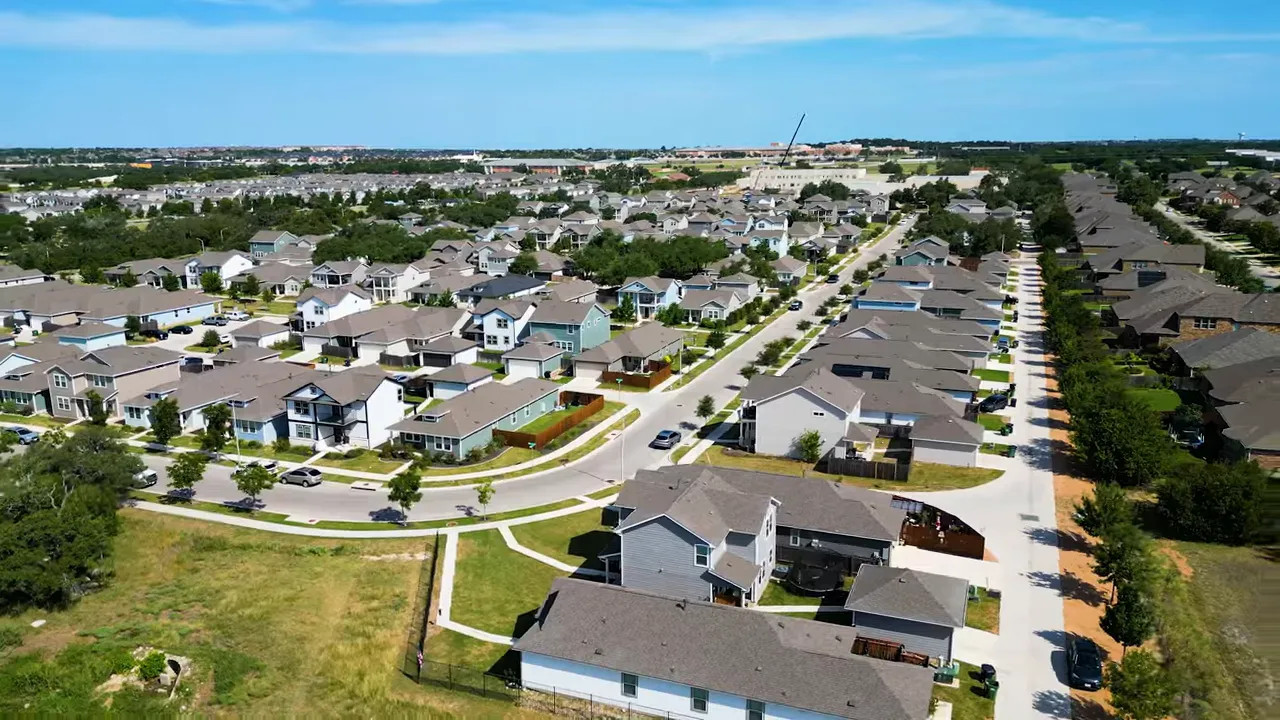
Some buyers practically prefer commuting time because they work flexibly or enjoy audiobooks and podcasts during the drive. If commute time is not a factor, the South Austin suburbs offer a lot: think Buda and Kyle.
Buda has a charming historic downtown and family-friendly master plans like Sunfield, which can feel like living at a resort with trails, lazy rivers, and lots of community amenities.
Kyle sits between New Braunfels, San Antonio, and Austin and tends to be even more affordable than Buda while still delivering a warm, family-first vibe and quaint downtown scene.
4) Top-rated schools and a bit of luxury; I will commute
If amazing schools are nonnegotiable and you are willing to pay for it, head west toward the Hill Country suburbs: Lakeway and Dripping Springs .
Lakeway hugs Lake Travis and is known for lake life, marinas, and a sophisticated suburban feel. Homes here are often zoned to Lake Travis ISD, which is one of the top districts in Central Texas. Expect higher price points, but also higher quality neighborhoods.
Dripping Springs delivers excellent schools and options for larger lots or acreage if you want land. Neighborhoods like Calera or Belterra offer a range of home sizes and price points, with pockets of upscale custom homes as well.

Austin Neighborhoods Locals Love (Honorable Mentions)
Some suburbs deserve special attention because they offer a distinct combination of value and lifestyle.
- Georgetown : My personal favorite, Georgetown feels like a town with its own personality. It is family-friendly, well-maintained, and often offers excellent value for the square footage. Consider master plan communities like Wolf Ranch.
- Hutto : East of Pflugerville and Round Rock, Hutto is particularly attractive for buyers on tight budgets who still want to be relatively close to Austin.
- Liberty Hill : The "final frontier" to the northwest, Liberty Hill has exploded in growth and has a ton of master plan communities and new construction. It is a strong option for buyers who want brand new homes and plenty of growth potential.
- Manor and Bastrop: Both offer affordability on the east side. Manor delivers extreme affordability close to Austin. Bastrop feels like an eastern Georgetown with a historic downtown and the Colorado River running through town.
Austin Neighborhood Price Breakdown: What You Get at Every Budget
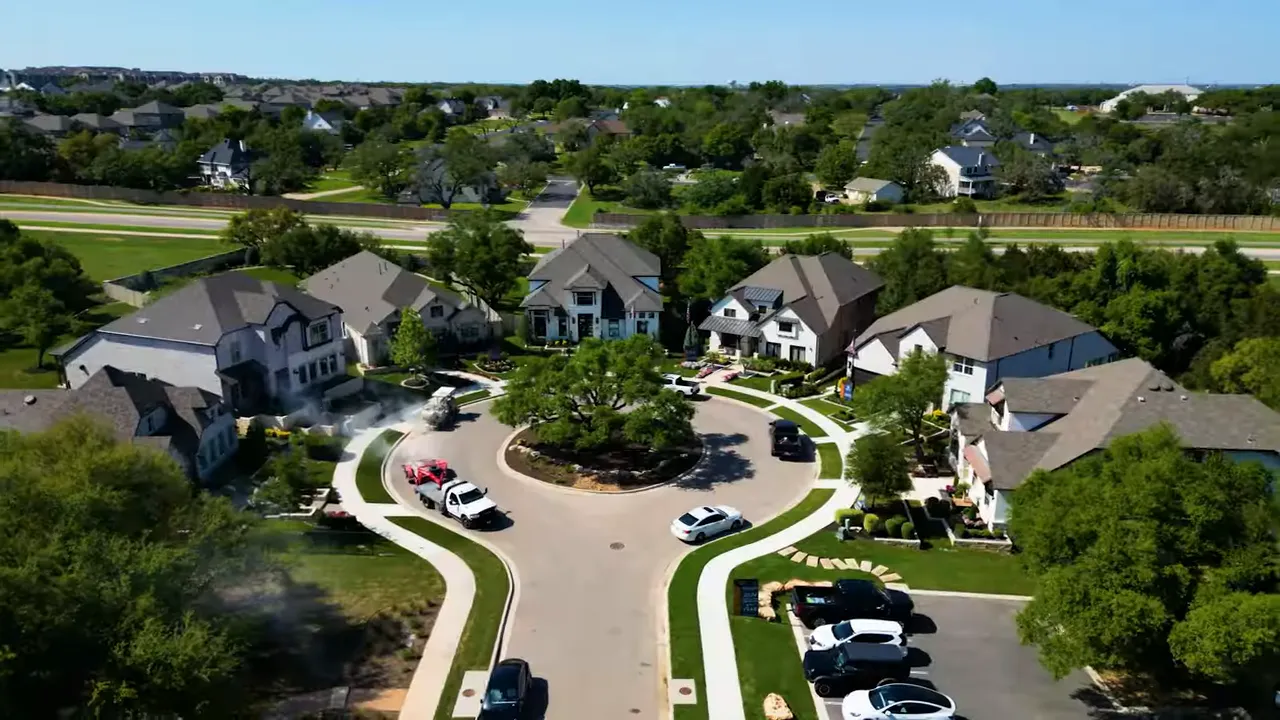
One detail buyers often miss is that most suburbs have multiple pricing tiers within the same neighborhood or master plan. Wolf Ranch in Georgetown, for example, includes starter homes, midrange builds, and luxury custom homes all in the same community. A neighborhood name should not automatically eliminate it from consideration.
How to Narrow Down Your Austin Neighborhood Shortlist
Use these steps to turn general ideas into a short list of target neighborhoods:
- Write down your nonnegotiables: price range, commute tolerance, school priorities, and desired yard size.
- Choose which two of the three (price, location, quality) you must have. Accept that the third area will need compromise.
- Match your work location to suburbs that minimize drive time. If you work in north Austin, prioritize north suburbs. If you commute downtown, look at central or nearby neighborhoods.
- Research school boundaries carefully. In Austin, kids generally attend the district where they are zoned. Transfers are possible but limited.
- Visit neighborhoods on weekends and weekdays to see traffic, noise, and community energy in real life.
Common Mistakes People Make When Moving to Austin
- Assuming a neighborhood is unaffordable without checking the full range of pricing tiers.
- Picking a location without thinking about how it will feel in day-to-day life—noise, commute rhythm, and nearby amenities.
- Underestimating school zone boundaries and transfer limitations. For most families, zoning matters.
- Focusing only on price without a plan for how your housing needs will evolve. You might outgrow a downtown condo faster than you expect.
Quick Snapshots of Austin’s Most Popular Neighborhoods
Quick reference on some neighborhoods and what they deliver.
Central Austin
Perfect for people who want walkable restaurants, nightlife, and short commutes. Neighborhoods include Hyde Park, Rosedale, Zilker, Travis Heights, and several downtown highrise options. These areas can be expensive, especially for family-friendly single family homes.
Cedar Park and Leander
Strong picks for families seeking good schools and newer construction. Cedar Park feels like a big extension of northwest Austin. Leander often offers larger homes for the price and is home to several well-regarded master plans.
Round Rock
Very affordable relative to its school quality. Round Rock ISD is highly rated and the community offers a mix of established neighborhoods and new subdivisions.
Buda and Kyle
South Austin suburban life with strong family vibes, strong master plans, and comparatively affordable pricing compared with the immediate Austin core. Buda has charm and amenities; Kyle is more affordable and growing fast.
Lakeway and Dripping Springs
Lakeway is lake oriented and a gateway to Hill Country living. Dripping Springs is a premier choice for large lots and excellent schools. Both lean toward the higher end of price and quality.
If you want precise neighborhood suggestions, share details: budget, workplace, family size, and what's nonnegotiable. With that information, you can quickly be matched to a small list of neighborhoods that actually fit. Ready to get matched? Call or text us at (512) 855-2713 to get started.
Austin Neighborhood FAQ: Everything You Need to Know Before Moving
What are the most family-friendly suburbs near Austin?
Leander, Round Rock, Georgetown, Lakeway, and Dripping Springs are consistently family-friendly with strong communities and lots of parks, schools, and family amenities.
Which suburbs have the best schools?
Top-rated school districts in Central Texas include Eanes ISD, Lake Travis ISD, Dripping Springs ISD, Round Rock ISD, and Leander ISD. Each has different price points and neighborhood styles.
Where can I get the most house for my money?
Outlying suburbs such as Liberty Hill, Georgetown, Kyle, and parts of Leander typically offer larger homes and more land for the price compared with central Austin neighborhoods.
Is it true that you have to attend the school you are zoned to?
Yes. In Austin and surrounding districts, students usually attend the school in the zone where they live. Transfer options exist but are limited and often competitive.
Should I avoid a neighborhood just because of one high price listing I saw?
No. Most neighborhoods have multiple pricing tiers. Master plans often include starter homes, midrange homes, and luxury custom builds. Explore the full range before ruling a community out.
How do I decide between living closer to downtown or in the suburbs?
Consider daily priorities: commute and nightlife vs schools and yard space. Downtown living gives walkability and short commutes; suburbs offer more space, yards, and family amenities but usually longer drives.
Final thoughts
Austin is eclectic, growing fast, and full of excellent options. The right neighborhood depends less on a list of "best" places and more on how each location supports the life you want to build. Use the two-of-three rule to guide tradeoffs, match your commute to the right corridor, and remember that many suburbs contain diverse price tiers that can surprise you.
Be candid about priorities, and you can reduce overwhelm and make a move that makes sense today and for the next few years.