East Austin Texas is a big, varied region that often gets simplified on maps. The truth is East Austin Texas contains dozens of distinct neighborhoods and suburbs, each with its own personality, commute patterns, school realities, and price points. Knowing the roads, the river, and the key suburbs will save time, money, and headaches when you move here or when you choose where to buy a home.
Table of Contents
- Introduction
- Main roads, the river, and navigation essentials for East Austin Texas
- Best places to live in East Austin Texas
- Schools, taxes, and other practical factors in East Austin Texas
- How to choose the right part of East Austin Texas for your lifestyle
- Price summary for East Austin Texas
- Final tips for navigating East Austin Texas
- FAQ About Moving to East Austin Texas
Introduction
For practical purposes, anything east of I-35 is considered East Austin Texas. That half of the metro stretches from the Colorado River down toward Bastrop and includes suburbs such as Pflugerville, Hutto, Manor, Elgin, Del Valle, Bastrop, Buda, and Kyle. Treating East Austin Texas as one monolith is a mistake. Each part of East Austin Texas has different commutes, different school options, and different vibes.
Main roads, the river, and navigation essentials for East Austin Texas
Understanding the major corridors makes East Austin Texas feel a lot smaller. Memorize these routes and you will already be ahead of most newcomers:
- I-35 — the spine of Austin that engineers your north-south perspective. People often advise avoiding I-35 during peak times because it is the most congested route through the city.
- Toll Road 45 — useful for cutting across northern suburbs and dodging I-35 headaches when heading toward tech hubs.
- Toll Road 130 — a lifesaver for many East Austin Texas residents. It runs north-south through the eastern arc and is often faster than I-35.
- US 290 — a major east-west corridor through Manor, Elgin, and into central Austin.
- Highway 71 / Ben White Boulevard — connects south-central Austin to Bastrop and is the primary route for southbound travel from the city center.
- Highway 183 — another helpful connector from northwest to southeast and a common airport route.
Knowing which of these roads you will use daily helps determine which part of East Austin Texas is realistic for your commute and lifestyle. Toll road 130 in particular changes the equation for affordability because it makes suburbs like Pflugerville and Hutto feel much closer to Austin.
Distances on a map can be deceiving in East Austin Texas. Two suburbs that look equidistant to the airport or downtown can feel completely different in rush hour. For example, a home in Hutto can have a far easier morning route to the airport than a visually closer home in Cedar Park because of toll 130 and highway choices. Always compare typical travel times, not just miles.
Best places to live in East Austin Texas — suburb-by-suburb guide
Below is a focused tour of the most popular East Austin Texas suburbs, their pros and cons, and price expectations. Think of this as a local cheat sheet for the high-level trade-offs.
Pflugerville — close, family friendly, growing fast
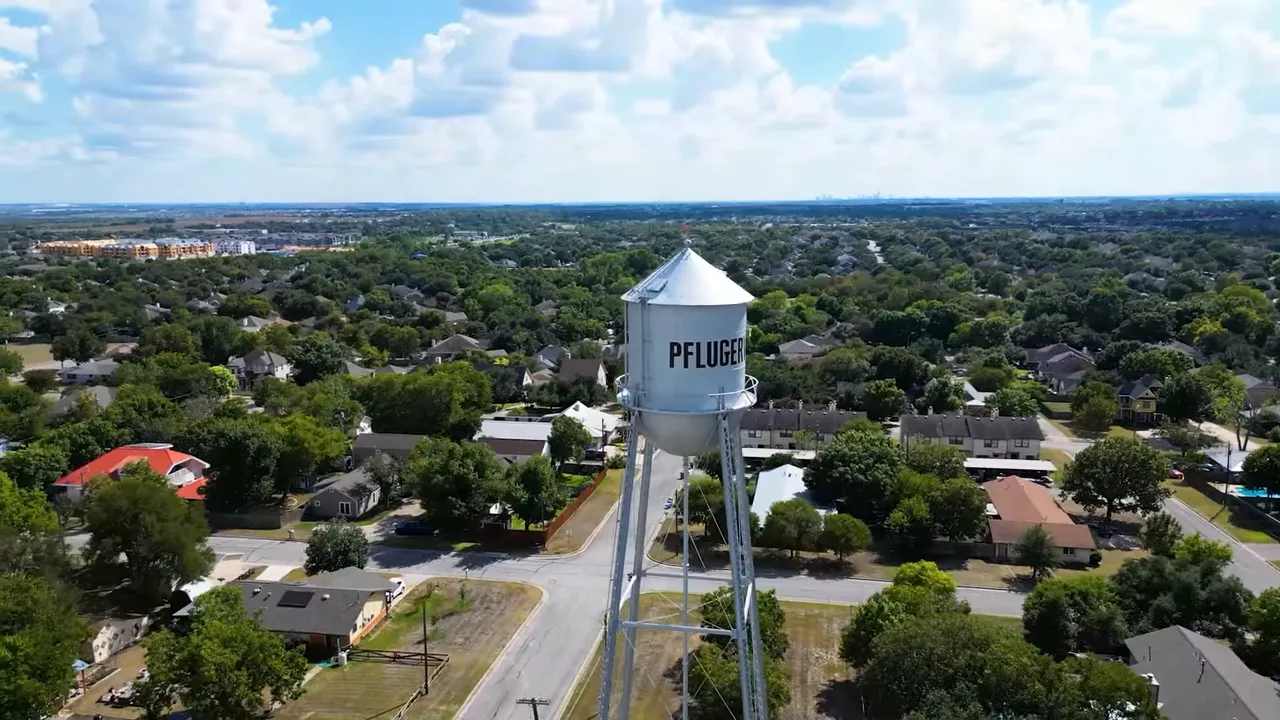
Pflugerville is one of the closest suburbs to central Austin and a top choice if you want family-friendly communities without long drives. Pflugerville benefits from easy access to toll 130 and a variety of newer master planned neighborhoods. Schools are mixed but there are some strong options in neighborhoods like Blackhawk and Falcon Pointe.
Pros: Proximity to Austin, easy toll road access, good neighborhoods for families.
Cons: Rapid growth means some areas feel cookie cutter, and older sections can be less attractive. Prices rose sharply in recent years.
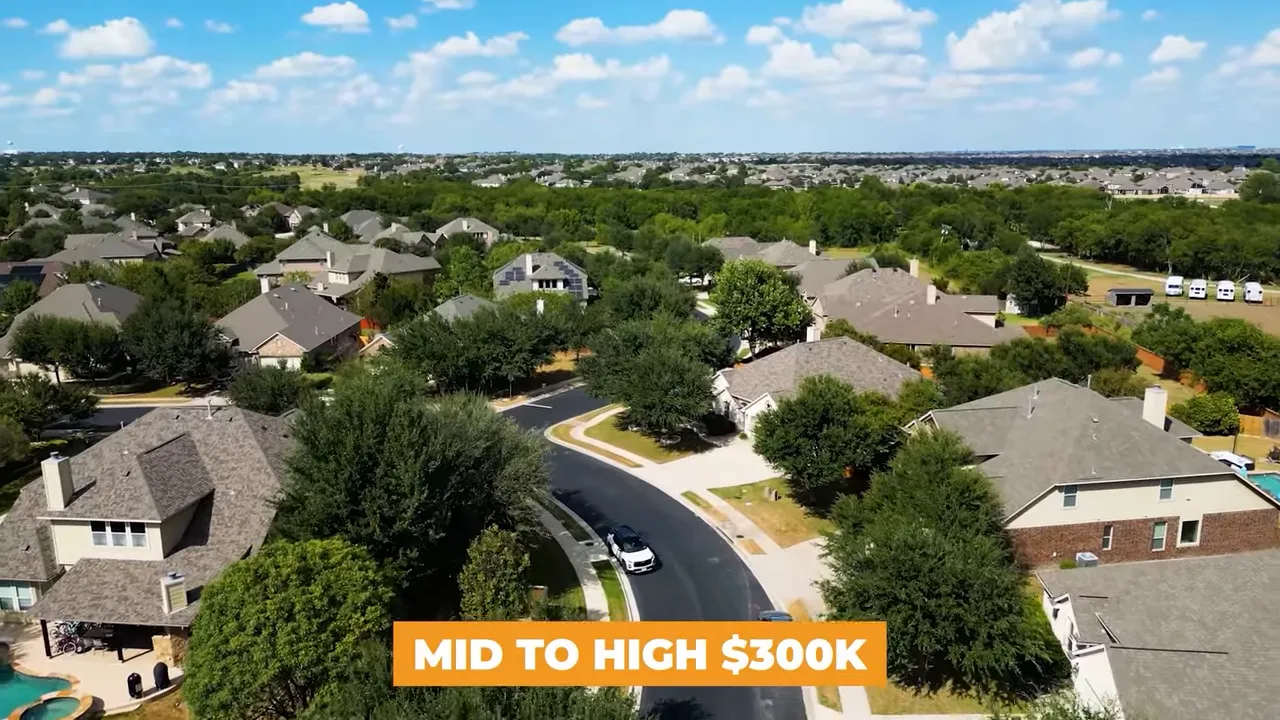
Price expectations: Entry homes can be in the mid-to-high $300,000s. Expect a comfortable four- to five-bedroom newer home around $450,000 to $650,000. High-end custom homes and estates push into the $750,000 to $1M+ range.
Hutto — small-town energy with modern convenience
Hutto offers the small-town charm and Friday-night-lights culture that many families crave. It is pleasantly off the beaten path but still connected to Austin by toll 130 and US 290. Streets feel quieter and the downtown has a true community center feeling.
Pros: Family-first vibe, affordable pricing for quality homes, easy access to toll 130 and the airport.
Cons: Limited retail and nightlife, schools are improving but can be hit or miss in areas affected by fast growth.
Price expectations: You can find solid homes in the low-to-mid $300,000s. The sweet spot is roughly $350,000 to $450,000. Very few homes exceed $600,000 unless they are large acreage properties.
Manor — convenient, emerging, and affordable
Manor is just off US 290 and has pockets of new construction along with older rural areas. It is strategically placed for people who want a shorter hop to Austin without city prices. Neighborhoods such as Shadow Glenn and Presidential Glenn are popular for first time buyers.
Pros: Close to Austin, practical commute options, excellent for first-time buyers.
Cons: Higher property tax rates than some suburbs, and school performance varies by boundary.
Price expectations: Some entry-level homes can be found in the high $200,000s. The typical new-construction sweet spot is $325,000 to $450,000. Upsized new builds often land between $450,000 and $650,000.
Elgin — country living with a craft vibe
Elgin feels more rural than most East Austin Texas suburbs. It has everything from compact, cookie-cutter neighborhoods to acreage properties. The community has an emergent artisan scene and slower pace of life.
Pros: More land for the money, quieter country lifestyle, affordability compared to suburbs closer to Austin.
Cons: Limited retail, fewer immediate amenities, and commutes to central Austin can be long.
Price expectations: Entry-level homes generally start in the $250,000 to $350,000 range. The common sweet spot is $350,000 to $425,000, and well-appointed properties with acreage can go into the high $800,000s or more.
Del Valle — best for airport access and southeast Austin jobs
Del Valle sits right next to Austin Bergstrom International Airport and large employers like Tesla and Circuit of the Americas. If your work or travel life revolves around the airport or southeast Austin industrial corridor, Del Valle makes sense.
Pros: Exceptional airport access, very affordable relative to proximity to Austin, good for shift workers and airport professionals.
Cons: Less cohesive neighborhood identity, inconsistent school performance, and fewer polished master planned communities.
Price expectations: You can still find entry-level houses in the upper $200,000s to low $300,000s. The common range is $300,000 to $400,000, and most newer builds are under $450,000 to $500,000.
Bastrop — natural beauty and a relaxed lifestyle
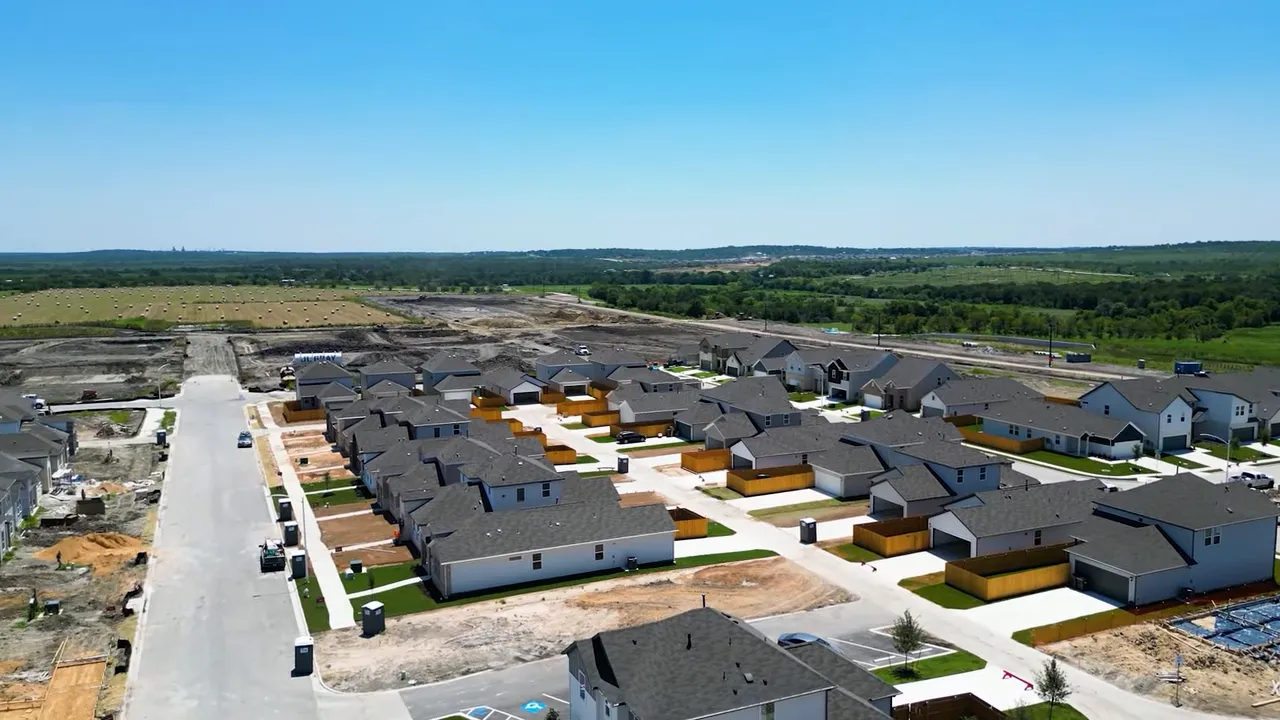
Bastrop is one of the more scenic parts of East Austin Texas, with the Colorado River and Bastrop State Park defining its character. Downtown Bastrop has historic charm, and neighborhoods range from wooded estates to master planned communities.
Pros: Surrounded by natural beauty, excellent family environment, and a compelling historic downtown.
Cons: Commute to Austin on Highway 71 can be slow in peak hours; fewer local industry jobs.
Price expectations: Entry-level in master plans like The Colony begins around $350,000 to $375,000. The neighborhood sweet spot is $400,000 to $500,000. Larger lots and high-end homes can go from $550,000 up into the $800,000s.
Buda — quaint, accessible, and steadily growing
Buda sits on the southern edge of the Austin metro and blends historic Main Street charm with newer developments. It is a great middle ground if you want easy access to San Marcos and Austin but prefer a smaller-town feel.
Pros: Quaint downtown, strong family community, balance between Austin access and slower pace.
Cons: Prices are climbing, and most commutes to Austin involve I-35.
Price expectations: Entry-level homes are commonly $325,000 to $400,000. The majority of new homes sit in the $400,000 to $600,000 range. Premium neighborhoods and custom homes can reach $700,000 to $900,000.
Kyle — affordability meets community culture
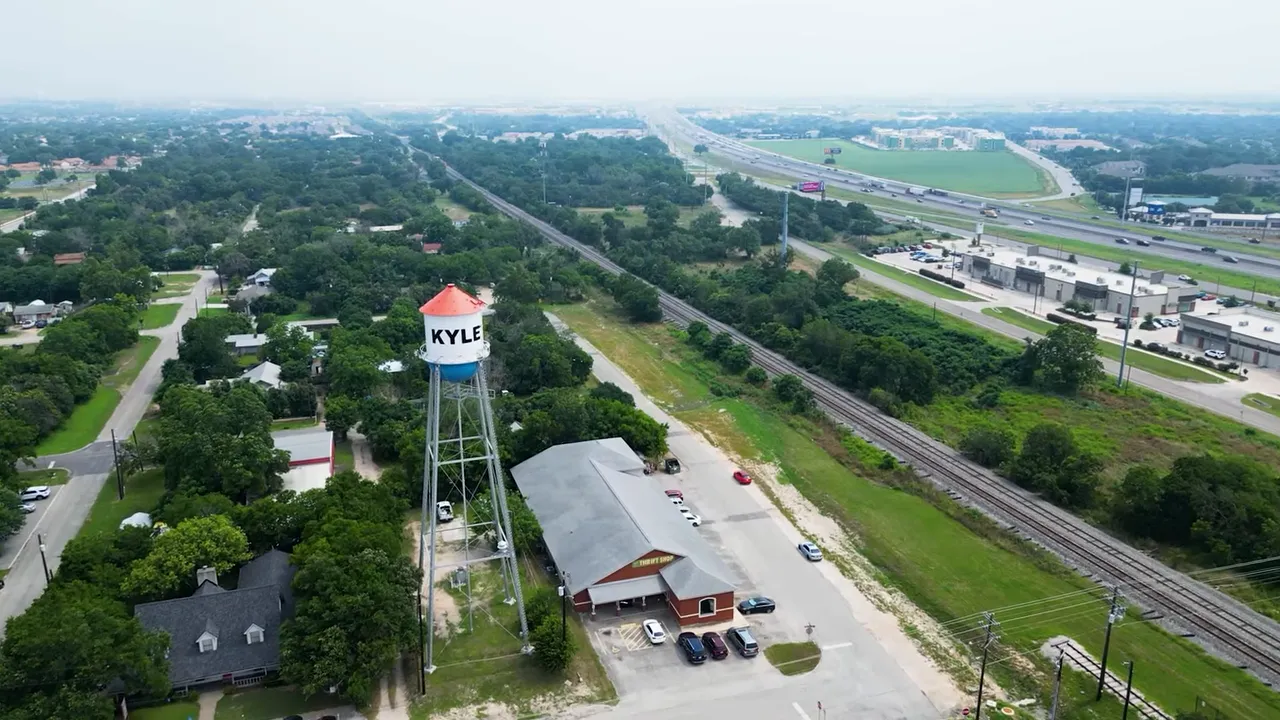
Kyle is one of the fastest growing cities near Austin and offers a remarkable combination of affordability and community character. It has a strong downtown, fun local traditions, and a wide range of new construction developments.
Pros: Most affordable of the well-known southern suburbs, family friendly, and many new developments like Six Creeks offer high-quality builds.
Cons: Commutes to central Austin are lengthy for daily downtown commuters; newer sections can feel cookie cutter.
Price expectations: Entry-level homes are often $300,000 to $375,000. The typical sweet spot is $400,000 to $500,000. High-end neighborhoods like Six Creeks start around $600,000 and go up to $850,000 and beyond.
Schools, taxes, and other practical factors in East Austin Texas
Two recurring themes in East Austin Texas are school variability and mixed tax burdens. Many suburbs have pockets of excellent schools alongside zones with weaker performance. Property tax rates can vary widely and impact monthly costs far more than an incremental price difference in purchase price.
When evaluating any part of East Austin Texas, always:
- Check school boundaries — boundaries can change and a specific street can determine whether a child goes to a top-rated school or not.
- Run tax estimates — a 2.8 percent rate versus 3.2 percent can change your annual cost by thousands on a mid-priced home.
- Test commute routes — drive them during rush hour and off-peak to see real travel times.
How to choose the right part of East Austin Texas for your lifestyle
Match these high-level priorities to the neighborhoods:
- If you want the shortest commute to central Austin and are willing to pay for it, target Pflugerville or Manor neighborhoods closer to town.
- If affordability matters most and you still want reasonable access, consider Kyle, Buda, or Bastrop.
- If your commute depends on airport access or southeast Austin jobs, Del Valle and surrounding areas are ideal.
- If you want a small-town, slow vibe with community traditions, Hutto and Kyle are strong options.
- If you want acreage or a country lifestyle rather than commuting daily, Elgin and parts of Bastrop deliver that experience.
Price summary for East Austin Texas
The pricing landscape in East Austin Texas varies by proximity to Austin, community amenities, and lot sizes. Here is a short cheat sheet:
- Under $350,000 — Possible in Elgin, Del Valle, Kyle, Hutto, and select Manor pockets.
- $350,000 to $500,000 — Sweet spot for many buyers across Pflugerville, Hutto, Manor, Buda, and Bastrop master plans.
- $500,000 to $750,000 — Higher-end new builds, larger lots, and premium pockets in Pflugerville, Bastrop, and Kyle.
- $750,000+ — Custom homes, substantial acreage, and luxury finishes in select neighborhoods.
Final tips for navigating East Austin Texas
East Austin Texas offers vast choice, but that choice requires careful navigation. Be explicit about your commute tolerances, school priorities, and amenity needs before making a search box full of favorites. Test drives, school boundary checks, and an early look at property tax rates will save surprises later. If you prefer quieter, more nature-oriented living, the stretch toward Bastrop and Elgin will reward you. If you want the shortest drives into Austin with suburban conveniences, Pflugerville and Manor sit in a strong spot. For affordability, Kyle and Del Valle remain compelling options.
If you have questions or need help deciding where to live in East Austin, I can help. Call or text me at (512) 855-2713 and I’ll walk you through the neighborhoods, schools, and commute trade‑offs to find the best fit for you.
FAQ About Moving to East Austin Texas
What exactly counts as East Austin Texas?
East Austin Texas typically means the part of the metro that lies east of Interstate 35. That area includes suburbs like Pflugerville, Hutto, Manor, Elgin, Del Valle, Bastrop, Buda, and Kyle and spans from the Colorado River down toward Bastrop.
Which East Austin Texas suburbs are the most affordable?
The most affordable options among the well-known East Austin Texas suburbs are generally Kyle, Del Valle, and some sections of Elgin and Hutto. These areas still provide reasonable access to Austin and often offer newer construction for less than closer-in suburbs.
Where are the best schools in East Austin Texas?
School quality varies by district and street. Pflugerville has several highly rated schools in specific neighborhoods like Blackhawk and Falcon Pointe. Manor, Hutto, and Bastrop also contain strong schools in specific zones. Always check boundaries for the exact address you are considering.
How can I avoid I-35 travel headaches in East Austin Texas?
Use toll roads and alternate highways like toll 130, toll 45, US 290, Highway 183, and Highway 71 depending on your direction. Toll 130 is often a faster north-south alternative to I-35 and can make living farther east feel much closer to Austin.
Is living near the Austin airport noisy in East Austin Texas?
Neighborhoods very close to Austin Bergstrom International Airport, such as parts of Del Valle, may experience aircraft noise. Further out in suburbs like Buda, Kyle, and Bastrop the impact is minimal, but an in-person visit during peak travel times is the best way to judge noise levels.
What should I prioritize first when choosing a neighborhood in East Austin Texas?
Start by prioritizing commute tolerance, school needs, and your lifestyle preferences (quiet country vs active suburb). Use those filters to narrow suburbs, then check taxes and school boundaries for the exact streets you like.
Read More: East Austin vs West Austin: Which Side of Austin Should You Call Home?