Table of Contents
- Introduction to Georgetown TX
- Why Georgetown TX Stands Out
- Pros of Living in Georgetown TX
- Cons of Living in Georgetown TX
- Georgetown TX vs Austin Suburbs
- Who Should Move to Georgetown TX
- Who May Prefer Other Austin Suburbs
- FAQs About Living in Georgetown TX
- Final Thoughts on Living in Georgetown TX
Introduction to Georgetown TX
If you are considering the pros and cons of living in Georgetown TX, you are probably already hearing the same storyline over and over. Georgetown is beautiful. It is close to Austin. It feels more laid back than parts of the city.
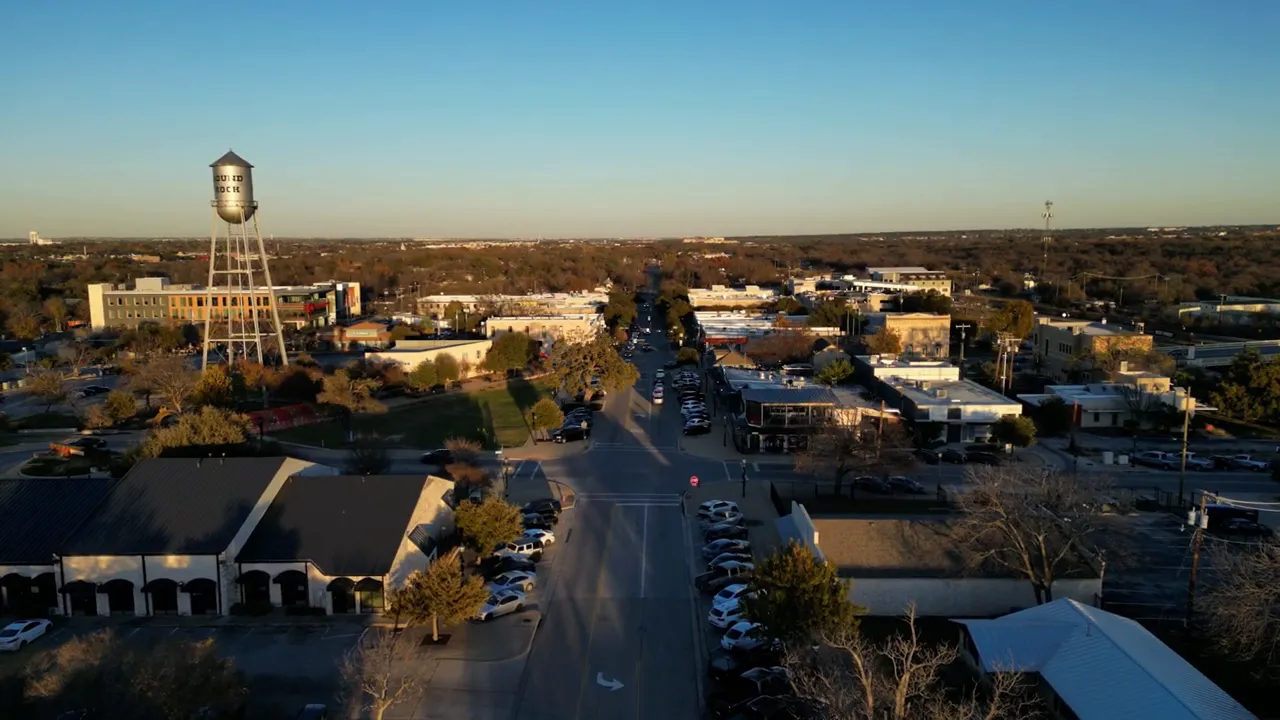
And it is true. Georgetown is seriously awesome. But it is not perfect. The goal here is simple: make it easier for you to decide if Georgetown fits your lifestyle, or if another Austin area might be a better match.
Below is a clear, no-fluff look at the biggest pros and cons, with comparisons to other nearby Austin suburbs so you can picture what life might feel like.
VIEW HOMES FOR SALE IN GEORGETOWN TX
Why Georgetown TX Stands Out
Georgetown sits in that sweet spot of Central Texas living where you get the benefits of being near Austin without feeling like you are trapped in Austin traffic and Austin chaos.
One reason it stands out is its mix. You will find both older, historic neighborhoods and newer growth. And Georgetown has a strong outdoors identity that comes through in parks, trails, and the way people use Lake Georgetown and nearby green spaces.
At the same time, Georgetown has been growing faster in recent years, and that growth has started to create tradeoffs, like construction and strict rules in certain planned communities.
Pros of Living in Georgetown TX
1. Hidden outdoor gym energy and quieter nature pockets
Yes, people talk about Blue Hole Park and San Gabriel Park. They are popular for a reason. But what surprises most newcomers is how many less-known outdoor areas Georgetown has.
These are the places that feel calmer, more peaceful, and a little more off the beaten path. A lot of these quieter spots cluster around Lake Georgetown.
Lake Georgetown itself has a Hill Country feel. It is not the same vibe as some other Austin area lakes where you might constantly see party crowds on boats. When you are out there, you often get a more isolated, peaceful experience.
How this compares: In areas like Cedar Park, you still get tons of outdoor trails and parks, but it is usually busier. Georgetown gives you more “space” to breathe outdoors.
2. Traffic is generally more manageable than many nearby suburbs
Let’s be real: traffic in the Austin region is a daily conversation. In Georgetown, the big advantage is flexibility. The main road through Georgetown runs north-south and is called I-35. And I-35 is… well, you know the reputation.
But Georgetown also has a toll road that helps you avoid the worst stretches. It is called SH 130, and it loops around the Georgetown area near Round Rock.
Why that matters: Georgetown offers multiple entry points to SH 130. So if you need to get to the airport, commuting feels less like a single route decision and more like “choose your best option.”
How this compares: In Leander, there is often a heavier reliance on Highway 183 to get into and out of Austin. During rush hour, 183 can be rough, and it is harder to avoid.
3. Historic downtown square with a modern local vibe
Georgetown has a downtown square that feels historic but not stuck in the past. The biggest difference is energy. You will see more young, local entrepreneurs opening boutique shops, coffee spots, bars, and restaurants that keep the vibe lively.
It has that wholesome, small-town fun feel that reminds some people of what downtown Austin or 6th Street felt like decades ago.
How this compares: Round Rock also has a lively downtown, but it leans more family-friendly and chain-heavy. Georgetown tends to stay more focused on keeping it local.
4. Relatively lower property taxes compared to some neighboring areas
Texas is famous for one thing that can be tough for newcomers: property taxes. The upside is Texas has no state income tax, and for many people the math works out in a positive direction.
But regardless of your personal situation, Georgetown tends to come out better than some surrounding suburbs in terms of property tax rates.
How it works in practice: Georgetown has a mix of newer builds and older historic homes, which can contribute to lower tax rates compared to suburbs with more new infrastructure and large master-planned communities.
How this compares: Cedar Park often has higher property taxes, largely tied to the infrastructure growth and master-planned development patterns there.
5. A thriving 55 and older community that creates real neighborhood perks
This is one of those “wait, that is a pro?” situations that people do not usually talk about.
Georgetown has a large 55+ community presence, including community centers and related services. If you are not 55+ yourself, you may still benefit from what that demographic supports.
Here are the perks that tend to show up on the ground:
- Better-maintained public spaces. Parks and gathering areas often feel cleaner and more cared for.
- Strong local healthcare options. Georgetown hospitals are described as particularly good, and having quality medical care close by matters no matter your age.
- Well-kept trails and outdoor areas. It is easier to notice when a community has consistent volunteers and advocates.
- Golf and active recreation. Georgetown offers options that fit an active, outdoor-oriented lifestyle.
How this compares: Pfluger Ranch or areas like Pflugerville often feel more oriented around younger families and faster-paced community life. Georgetown’s volunteer-driven maintenance tends to stand out more.
Top Cons of Living in Georgetown TX
1. More limited nightlife than some nearby options
Georgetown is not a “stay out until 2 a.m.” type of place. The downtown square is lively, and you will find coffee shops, bars, breweries, and restaurants that feel family-friendly.
But a lot of those places typically close around 9 or 10 p.m. If you are like “cool, I am good by bedtime,” that is a plus. If you want nightlife that goes late, you will likely end up needing another option.
Common workaround: Many people head to Round Rock or Austin for later nights. Round Rock in particular has a more active late-night bar and brewery scene.
2. Wildlife encounters can happen in unexpected places
Georgetown’s outdoor lifestyle comes with a reality. The area has wildlife. That means deer, snakes, and even wild hog activity can show up closer to homes than people expect, especially if you are moving from a region where you do not deal with that.
The practical concern is not just seeing wildlife. It is also the potential for safety issues like deer-related car incidents and unwanted backyard visitors.
How this compares: Some deeper South Austin suburbs like Kyle or Buda have farmland and parks too, but Georgetown stands out for people encountering wildlife more directly and more often.
3. Growth has brought construction and “growing pains”
Historically, Georgetown earned its reputation as off the beaten path. It was laid back and not as expensive as Austin.
But Georgetown has grown a lot over the last several years. That growth shows up as construction, road changes, and development that continues to reshape the area.
What it means for residents: Home prices have risen significantly, and long-time residents often notice the shift from “chill suburb” to “booming regional hub.”
How this compares: Hutto, just east of Georgetown, is less developed right now. If you want the broader area vibe with a bit less intensity, Hutto may feel more affordable and less competitive at the moment.
4. Water supply and drought restrictions are part of the lifestyle
In Texas, water is always a big deal. But the specifics matter, and Georgetown is not immune.
The positive angle is that areas like Georgetown are actively working on water solutions. The harder part is that drought cycles can bring water-use restrictions. That can affect everyday routines like lawn watering during dry months.
For some people, restrictions feel reasonable. For others, it can feel like a loss of independence, especially if you moved to Central Texas expecting to self-manage more.
How this compares: Dripping Springs often has even stricter water restrictions because it relies more on well water and the aquifer. Georgetown generally has a more city-managed water supply, but drought risk is still real.
5. HOA rules in master-planned communities can be surprisingly strict
Georgetown has more master-planned communities than many people expect, and the HOA restrictions in some of those neighborhoods can be strict.
What strict can look like:
- Rules about lawn maintenance
- Rules about parking and what can be visible on streets
- Rules about home modifications or what changes you can make to your property
To be clear: not every Georgetown neighborhood is like that. But it is worth taking HOA rules seriously before signing anything, especially if you moved to Texas expecting a “live and let live” mindset.
How this compares: Liberty Hill has fewer HOA-controlled neighborhoods, and some popular areas may have no HOA or more voluntary, less restrictive arrangements. If property freedom matters a lot to you, Liberty Hill is often the first place people look.
Georgetown TX vs Austin Suburbs
- Georgetown vs Cedar Park
Both are outdoors-friendly, but Georgetown tends to be quieter and more peaceful outdoors, while Cedar Park is usually busier with more developed trails and parks.
- Georgetown vs Leander
Georgetown offers more route flexibility to Austin via SH 130. Leander often relies more heavily on Highway 183.
- Georgetown vs Round Rock
Round Rock can be a better pick if you want late-night activity. Georgetown is more of a “good vibes earlier” kind of downtown.
- Georgetown vs Hutto
Hutto can feel less developed and more reasonable for pricing. Georgetown feels more established and more active, but also brings more growth pressure.
- Georgetown vs Dripping Springs
Both deal with drought realities. Dripping Springs typically has stricter restrictions due to different water sourcing.
- Georgetown vs Liberty Hill
Liberty Hill may offer more property freedom with fewer restrictive HOA neighborhoods.
Who Should Move to Georgetown TX
Georgetown tends to fit best if you want:
- Great outdoor access without constant crowds
- More manageable traffic patterns and commute flexibility
- A lively downtown square with a local feel
- Better property tax positioning than some nearby suburbs
- Clean, maintained public spaces and strong community infrastructure (including healthcare)
Who May Prefer Other Austin Suburbs
Georgetown may not be ideal if you strongly prefer:
- Late-night nightlife where most places stay open well past midnight
- Minimal wildlife exposure(wild hogs, deer, and snakes are possible)
- A brand-new growth environment with less construction(Georgetown is expanding)
- No water restrictions during dry seasons
- Full property freedom regardless of HOA rules (especially in certain master-planned communities)
If those items are dealbreakers, you might find better alignment in a suburb that matches your priorities more directly, like areas with later-night scenes, fewer HOAs, or different water realities.
Bottom line: Georgetown is a fantastic place to live. The trick is making sure the version of Georgetown you pick fits you.
VIEW HOMES FOR SALE IN GEORGETOWN TX
FAQs About Living in Georgetown TX
What are the biggest pros and cons of living in Georgetown TX?
Pros: outdoor-friendly lifestyle with quieter nature pockets, generally more manageable traffic due to route options, a lively historic downtown square, relatively lower property taxes, and community perks influenced by a strong 55+ population. Cons: more limited nightlife hours, wildlife encounters in unexpected places, growth-related construction, water restrictions during drought periods, and potentially strict HOA rules in master-planned communities.
Is Georgetown TX good for outdoor lovers?
Yes. Georgetown is known for parks, trails, and a strong connection to Lake Georgetown. A major plus is that there are plenty of less crowded outdoor areas for people who do not want constant crowds.
How does Georgetown compare to Cedar Park for daily life?
Both are outdoors-oriented, but Cedar Park tends to be busier with more developed outdoor parks and trails. Georgetown leans more peaceful and isolated in nature spots.
Is the traffic problem in Georgetown as bad as Austin?
Traffic in the Austin region is always a factor. Georgetown generally feels less stressful than many nearby suburbs because you have more commute options, including SH 130 to avoid the worst routes.
Are there water restrictions in Georgetown TX?
Yes, drought periods can bring water-use restrictions, especially during dry months. It is wise to plan around rules that may affect things like lawn watering.
Do master-planned communities in Georgetown TX have strict HOAs?
Some do. HOA rules in certain master-planned areas can be surprisingly strict, covering lawn care, parking visibility, and even allowed home modifications. The key is to review HOA documents carefully before choosing a neighborhood.
Is wildlife a common issue in Georgetown?
Wildlife encounters can happen. That includes deer and snakes and, in some areas, wild hogs. If you are moving from a region with little wildlife interaction, it is something to anticipate.
Final Thoughts on Living in Georgetown TX
The best way to decide is to match your lifestyle to Georgetown’s strengths and tradeoffs. If you want outdoor access with a calmer feel, a charming downtown with local energy, and commute flexibility, Georgetown stands out.
If you want nonstop late-night nightlife, you strongly prefer avoiding wildlife interactions, or HOA freedom is non-negotiable, then you will want to research neighborhoods carefully or consider other nearby suburbs that align more directly with your priorities.
Want help deciding if Georgetown is right for you? Ready to talk through neighborhoods, commute options, and HOA/water considerations? Call/text us today at (512) 855-2713— we’d love to help.
READ MORE: Moving to Pflugerville TX: Affordable Homes, Family-Friendly Living & Easy Commutes