Table of Contents
- Introduction: Pros and Cons of Living in Cedar Park, TX
- What to Know Before Moving to Cedar Park, TX (North Austin Suburb)
- Pros of Living in Cedar Park, TX
- Cons of Living in Cedar Park, TX
- Is Cedar Park, TX Right for You? How to Decide
- FAQs About Living in Cedar Park, TX
- Final Thoughts on Living in Cedar Park, TX
Introduction: Pros and Cons of Living in Cedar Park, TX
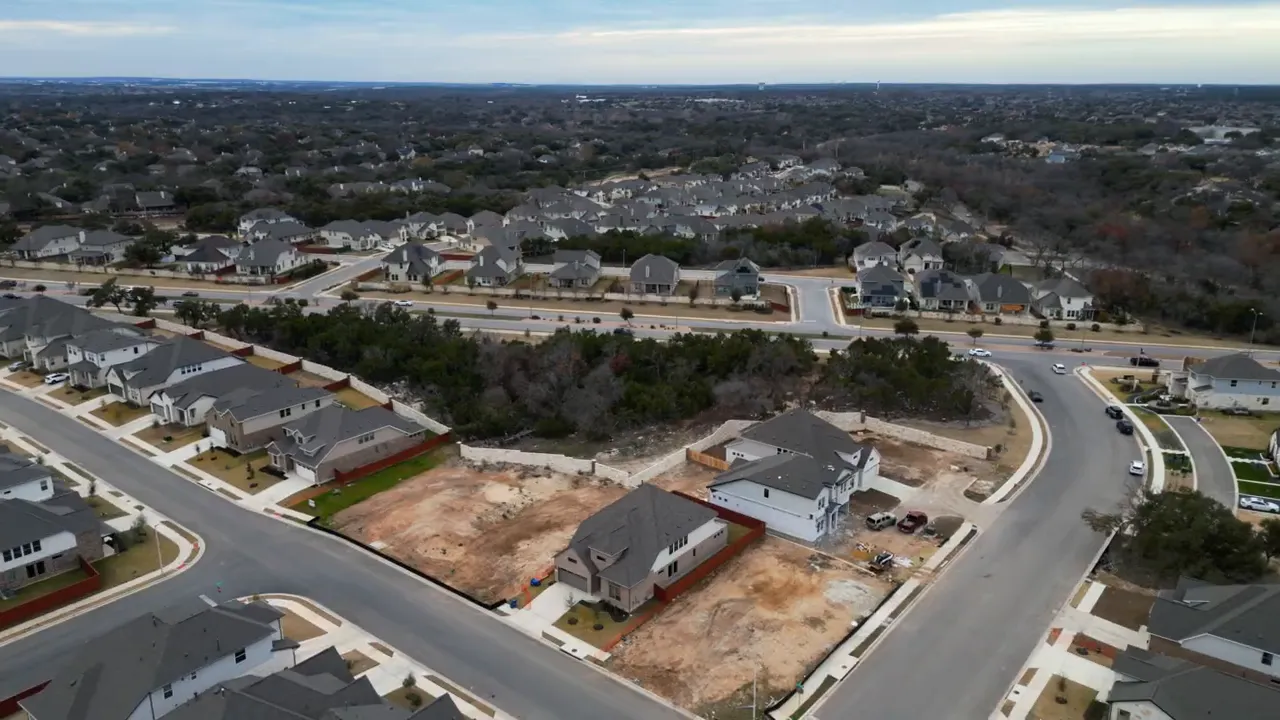
Pros and cons of living in Cedar Park TX is the question most people ask before making the move north of Austin. Cedar Park has exploded over the last decade into one of Austin’s biggest suburbs, and it brings a compelling mix of family-friendly amenities, natural spaces, and growing business options. But it also has headaches—traffic, confusing city lines, and not as much authentic dining as some expect.
VIEW HOMES FOR SALE IN CEDAR PARK TX
What to Know Before Moving to Cedar Park, TX (North Austin Suburb)
Here’s a practical, straight-forward look at the top five pros and top five cons of living in Cedar Park TX. This is written from the perspective of someone who grew up in the area and now helps people move here, so the aim is to give you usable detail: where the suburb shines, where it falls short, and how to decide whether it matches your lifestyle.
Pros of Living in Cedar Park, TX
Pro 1 — Strong school districts (Leander ISD and Round Rock ISD)
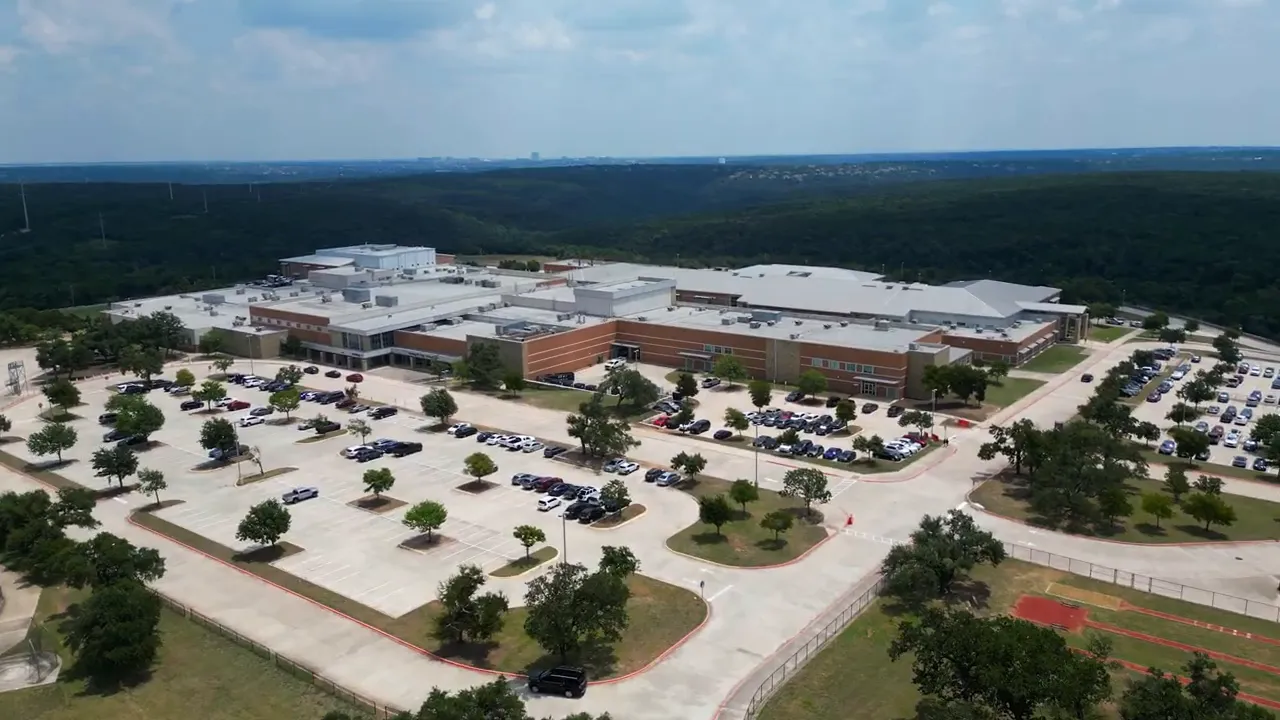
One of the biggest pros of living in Cedar Park TX is the education landscape. Depending on the neighborhood you choose, you’ll be in either Leander ISD or Round Rock ISD. Both districts rank among the top in Central Texas. That typically means:
- High parent involvement
- Strong sports programs
- Solid academics and extracurricular options
If schools are a major factor for you, Cedar Park is a very strong contender. That said, not every single school is perfect—districts have stellar schools and some that are merely average. When evaluating the pros and cons of living in Cedar Park TX for families, zoning matters. If you want your children in a specific campus, make zoning confirmation a top priority before you sign anything.
Pro 2 — Parks, trails, and outdoor lifestyle
Another major pro of living in Cedar Park TX is the sheer amount of outdoor space and trail networks. Brushy Creek Lake Park is one example among dozens of parks where families, runners, mountain bikers, anglers, and dog owners meet. If you value being outside and having quick access to trails, Cedar Park delivers.
The outdoor scene isn’t just a nice-to-have—it’s a lifestyle anchor. Neighborhoods are peppered with green spaces, and community culture often revolves around weekend trail runs, youth sports, and outdoor meetups.
Pro 3 — Easy to get around inside Cedar Park
Contrast the difficult commute to Austin with the surprisingly efficient local mobility. Getting from one side of Cedar Park to another rarely means sitting in long lines. Roads and local planning make daily errands and drop-offs manageable. For families juggling sports practices, lessons, and social activities, that internal ease is a meaningful pro of living in Cedar Park TX.
Because internal transit is smooth, residents can more easily maintain packed schedules without constant stress. This is one reason many families find Cedar Park so livable despite the highway headaches.
Pro 4 — Established neighborhoods and mature trees
One of the quieter pros of living in Cedar Park TX is the mix of older, established neighborhoods alongside newer planned communities. The presence of matured trees, long-time residents, and family-friendly blocks creates a sense of character that some master-planned developments lack. If you want neighborhoods with personality and visible community life, Cedar Park delivers.
That combination—older neighborhoods with big trees and newer developments with amenities—gives buyers flexibility. You can choose the feel you want rather than settling for a cookie-cutter environment.
Pro 5 — Political and cultural diversity
A less obvious but important pro of living in Cedar Park TX is that it’s politically mixed. Historically the area leaned conservative as people moved away from Austin’s progressive politics. More recently, people who love Austin but need more affordable housing have moved here, bringing a broader range of political and cultural perspectives. That diversity creates neighborhoods where many viewpoints coexist and you are likely to find a community that aligns with your values.
For many newcomers, this is a quiet but meaningful pro—Cedar Park can feel balanced rather than monolithic.
Cons of Living in Cedar Park, TX
Con 1 — Commute and traffic into Austin can be brutal
One of the clearer cons of living in Cedar Park TX is the commute. Cedar Park sits northwest of downtown Austin, and Highway 183 is the main artery. During rush hour, 183 gets backed up badly. If you work traditional office hours in central Austin and rely on a car, add extra commute time to your daily routine. Construction and road improvements are in progress, but history shows infrastructure often lags growth.
What to do about it: If your job is remote, outside traditional peak hours, or located closer to Cedar Park, this con matters less. For many, Cedar Park remains attractive because you can trade commute time for more space and family-friendly amenities.
Con 2 — No long-standing, authentic downtown
A fairly consistent complaint in the list of pros and cons of living in Cedar Park TX is the lack of an organic, historic downtown. Cedar Park grew from being a passing neighborhood into a full suburb. That growth didn’t come with a single, quaint downtown square like some towns have. Instead, the city has commercial nodes, chain restaurants, and a mix of newer developments.
There is a planned central development called The Bell District—intended to house the library, restaurants, parks, and mixed-use spaces. It aims to create a downtown feel, but it is a manufactured center rather than a centuries-old Main Street. If you crave a little “old town” charm, that’s an important con to weigh.
Con 3 — Limited authentic local dining (for now)
If authentic local restaurants are a key part of your decision, add that to the cons. Cedar Park has restaurants and chains, but the concentration of truly unique, local dining scenes is smaller than central Austin’s. That said, the food scene is evolving. Many Austin favorites are opening satellite locations in Cedar Park, and some visitors rave about outstanding Asian food spots found in the area. So the food con might be temporary.
Still, when compiling the pros and cons of living in Cedar Park TX, expect good options but not the same depth of culinary variety you’d find in central Austin.
Con 4 — Explosive growth and rising housing costs
Cedar Park used to be tiny. In the 1970s the population was about 1,400. Today it’s well over 80,000. Rapid growth brings amenities, jobs, and investment, but it also means fewer raw land opportunities and higher prices. Where you might have found a great home for $300,000 a decade ago, the average single-family price today is closer to the mid $600,000s. That pricing change makes this one of the more expensive Austin suburbs for new buyers.
Growth also means fewer new build lots. If brand new construction is a must, you’ll have to act quickly and work with someone who knows where the limited opportunities still exist.
Con 5 — Confusing city lines, zoning, and municipal differences
This con is practical and often surprising: Cedar Park’s city boundaries are irregular and gerrymandered. That patchwork affects school zones, voting rights, utility districts, and even whether you have sewer connections or septic. Two houses on the same block might be under different jurisdictions, different school districts, and different municipal rules. That complexity is an important con of living in Cedar Park TX because it changes property taxes, services, and long-term costs.
Practical outcomes of the fractured lines:
- Some homes vote for city council while others vote for municipal utility district directors
- Library access, park discounts, and boat rentals can be limited based on jurisdiction
- Homes outside the city lines may rely on septic systems instead of city sewer
Because of this, work with someone who knows local zoning and municipal differences. A property that looks like a bargain on paper can carry hidden costs or lifestyle adjustments if it is outside city services.
Is Cedar Park, TX Right for You? How to Decide
Deciding whether Cedar Park is right for you comes down to priorities. Use this quick checklist:
- Are schools your top priority? Cedar Park is strong here, but confirm zoning for specific schools.
- Will you commute to downtown Austin daily? If yes, prepare for traffic on 183; remote work reduces the commute con significantly.
- Do you value green space and outdoor living? If yes, Cedar Park is a major pro with abundant parks and trails.
- How important is downtown character and local food? If that is critical, Cedar Park’s lack of an organic downtown and fewer local restaurants may be a deal-breaker.
- Are you sensitive to housing costs? Expect higher average prices and limited new-construction inventory.
Every city and suburb has trade-offs. Cedar Park’s mix of family amenities, parks, and solid schools makes it an excellent candidate for families and outdoor lovers. The commute and political or municipal quirks are real downsides that deserve planning and attention.
VIEW HOMES FOR SALE IN CEDAR PARK TX
FAQs About Living in Cedar Park, TX
Is Cedar Park a good place to raise a family?
Yes. One of the main pros of living in Cedar Park TX is the family-friendly environment: strong school districts, parks, well-connected neighborhoods, and many youth activities. Just double-check school zoning for the exact neighborhood you’re considering.
How bad is the commute to Austin from Cedar Park?
Traffic on Highway 183 can be heavy during peak morning and evening hours. If you work downtown during traditional hours, expect longer commute times. If your job allows flexible hours or remote work, the commute is less of an issue.
Are there good restaurants in Cedar Park?
There are many dining options, including chains and some high-quality regional spots that have opened satellite locations. However, if you move for the deep, authentic local food scene of central Austin, Cedar Park may feel more limited—though the scene keeps improving.
Is it hard to find new construction homes in Cedar Park?
Supply of raw land is limited because of growth and protected natural areas. There are some new neighborhoods, but inventory is tighter than it used to be. If new construction matters, act quickly and work with someone who knows where remaining opportunities exist.
What should I watch for when buying in Cedar Park?
Check municipal boundaries and school zoning carefully. Confirm whether the property is on city sewer or septic, understand which entity you vote for, and verify library and park access. These jurisdiction details can change services and ongoing costs.
Does Cedar Park feel politically homogeneous?
No. One of the often-overlooked pros of living in Cedar Park TX is its political and cultural diversity. The area includes folks with a wide range of views, so you’ll generally find communities that match different lifestyles and values.
Final Thoughts on Living in Cedar Park, TX
Cedar Park offers a compelling package: strong school districts, abundant outdoor spaces, established neighborhoods, and a community large enough to support many services but still small enough to feel friendly. The downsides—especially commute into Austin, confusing municipal boundaries, rising housing prices, and a still-developing local culinary scene—are real and deserve careful consideration.
If you are weighing the pros and cons of living in Cedar Park TX, be deliberate: verify school zones, examine municipal borders, and think about your commute and lifestyle priorities. For many families and outdoor-focused households, the balance will tilt toward moving here. For others who need downtown charm and a dense local food scene, a different Austin suburb might be a better fit.
Whichever way you lean, being informed about the real pros and cons of living in Cedar Park TX makes the difference between a great move and buyer’s remorse. The suburb has a lot to offer—it just rewards a bit of homework. Want personalized help deciding if Cedar Park is right for you? Call or text us at (512) 855-2713 for a free consult.
READ MORE: Moving to Pflugerville TX: Affordable Homes, Family-Friendly Living & Easy Commutes