Moving to Austin, TX can be an incredible move, but it is not just tacos, tech jobs, greenbelts, and a “Keep Austin Weird” bumper sticker. There are some real-world things that can shape our day-to-day experience here, especially when we are buying a home.
Some of these realities will make Austin sound more appealing. Others may make us pause and rethink a neighborhood, commute, or housing budget. None of them are automatic dealbreakers. The goal is simply to know what we are signing up for before moving to Austin, TX, rather than discovering it after the moving truck is unloaded.
Table of Contents
- Is Austin Still Weird? How the City Has Changed
- Austin Heat and Summer Weather: What to Expect
- Austin Property Taxes: What Homebuyers Need to Know
- Austin Foundation and Soil Issues to Watch For
- Austin Allergies: What New Residents Should Know
- Austin School Zones and Choosing the Right Neighborhood
- Austin Neighborhoods: Culture, Lifestyle, and Community
- Austin Fitness Culture and Active Lifestyle
- Austin Housing Options: Homes, Condos, and New Construction
- Austin Traffic and Commute: Where You Live Matters
- Austin Suburbs: Why Nearby Communities Are Worth Considering
Is Austin Still Weird? How the City Has Changed
Historically, “Keep Austin Weird” meant supporting local coffee shops, restaurants, bars, and mom-and-pop businesses. It also meant the city had a distinctively funky, artistic, eclectic personality. Austin had more yard art, musicians, writers, painters, and characters who made us think, “Well, that is definitely an Austin thing.”
That side of Austin is still here if we look for it. Local businesses still matter. Creativity still matters. The city is still more eclectic than plenty of places in Texas. But the massive tech expansion that began in the early 2000s changed the formula.
Today, Austin is a major metropolitan city where people come to start companies, build careers, make money, and raise families. There is a real tension between preserving the quirky underdog identity and becoming an innovative, tech-forward city. For people moving to Austin, TX, that can be either a huge positive or a bit of a bummer. It depends on whether we want full-on weirdness or a big city with weirdness still tucked into the corners.
Austin Heat and Summer Weather: What to Expect
Everybody knows Texas gets hot. The surprise is how long and how intensely hot it can stay. We are not only talking about a few rough weeks in July. Temperatures can climb into the hundreds through June, July, August, September, and occasionally even early October.
That late-summer stretch is when many people who are moving to Austin, TX start questioning their life choices. It can feel oppressive. An evening tennis match can leave us feeling like we are about to pass out, even with water and electrolytes.
The good news is that Austin has built-in ways to cool down. We have neighborhood pools, city pools, public pools, creeks, rivers, streams, springs, and swimming holes throughout the area.
For much of the summer, outdoor plans revolve around water, shade, and timing. If we can live near a pool, a creek, or a reliable place to swim, it can seriously improve the experience. The heat is real, but so are the escape routes.
Austin Property Taxes: What Homebuyers Need to Know
When moving to Austin, TX from places such as California, New York, or Washington, property taxes can create some serious sticker shock. People accustomed to paying around half a percent may be surprised to see rates around 2.5%, with some situations reaching 3%.
Here is the kind of math we need to run before we fall in love with a house. An $800,000 home in a master-planned community with strong schools, amenities, trails, parks, fitness facilities, and a 3% tax rate would mean roughly $24,000 per year in property taxes.
That is a massive number. A large portion of local property taxes goes toward schools, which can feel like a worthwhile trade when we are in an area with excellent schools. It can feel far less exciting if the school ratings are not where we want them to be.
There is an important counterpoint: Texas has a 0% state income tax rate.
For many households, particularly those relocating from a higher-income-tax state, the overall financial picture can still make sense. We should not compare property taxes in a vacuum. We need to compare the full cost of living, including state income taxes, housing, and the specific tax rate attached to the property we are considering.
Austin Foundation and Soil Issues to Watch For
A house is a giant structure sitting on dirt. Over time, some settling is normal. The issue is uneven settling, and Central Texas has soil conditions that can make that a bigger deal than in other parts of the country.
Much of the region has expansive clay-based soil. During long droughts, that clay dries out and becomes hard and clumpy. During heavy rainy seasons, it absorbs moisture and shifts. When the dirt below a foundation moves, the house above it can move too. That is why cracks in drywall, trim, and other finishes can become a recurring, frustrating maintenance issue.
I-35 is a useful dividing line to understand. East of I-35 is largely Blackland Prairie, which is flatter, more farmland-oriented, and notably clay-heavy. West of I-35 trends more toward Hill Country terrain with limestone-based soil. Foundation issues can still happen west of I-35, but they are generally less common because foundations are often closer to bedrock.
If we can afford to buy west of I-35, it is worth considering. If our budget or lifestyle points us east, that is completely fine, but the inspection process needs to be extremely diligent. We need an inspector who pays close attention to whether the foundation was properly engineered for the soil beneath it.
Austin Allergies: What New Residents Should Know
Austin allergy talk usually begins and ends with cedar fever. That does not go nearly far enough. Mountain cedar can absolutely affect us, but so can oak, elm, ragweed, juniper, ash, pecan, mulberry, grass pollen, marsh elder, pigweed, mold spores, dust mites, and pet dander.
Think of cedar pollen like walking into a room filled with chalk dust. Whether or not we are technically allergic to chalk, breathing in that much airborne material is probably going to make our eyes itch, cause coughing, or trigger sneezing. Austin can be like that.
For some people, allergies do not show up immediately. We may live here for years and think we are immune, then suddenly find ourselves dealing with headaches, congestion, and symptoms that feel like an illness. Moving to Austin, TX does not mean allergies will definitely ruin our lives, but it does mean we should take them seriously, especially if we already have respiratory or seasonal allergy concerns.
Austin School Zones and Choosing the Right Neighborhood
School boundaries around Austin can be weird enough to make us wonder who drew them. We cannot assume that buying a house inside Austin city limits means a child will attend Austin ISD.
Steiner Ranch is a great example. It is in Austin, but homes there are zoned to Leander ISD. In that particular case, that may be a positive depending on our priorities, but it proves the point: city boundaries and school-district boundaries are not the same thing.

Other neighborhoods can split across school districts as well. Parts of a community may feed into Pflugerville ISD while other sections feed into Austin ISD. In areas such as Brushy Creek, different sections may fall into Round Rock ISD or Leander ISD.
Before moving to Austin, TX, we need to verify the school assignment for the exact address, not merely the neighborhood name. This matters for families, of course, but school districts can also matter when we think about long-term resale value and the use of our property-tax dollars.
Austin Neighborhoods: Culture, Lifestyle, and Community
It is easy to simplify Austin politics by saying central Austin is liberal and everything outside it is conservative. That is way too simple. The central core is generally liberal, but every area has its own cultural identity and political mix.
Northwest Hills, for example, is relatively central but tends to feel more conservative than neighborhoods such as Zilker, Bouldin Creek, or Travis Heights in central South Austin. Wells Branch in far north Austin can feel more evenly split.
Outside the core, Lakeway is often a comfortable fit for people seeking a more conservative environment. Dripping Springs may appeal to people who love west Austin and Hill Country surroundings but prefer a more mixed, roughly balanced political atmosphere.
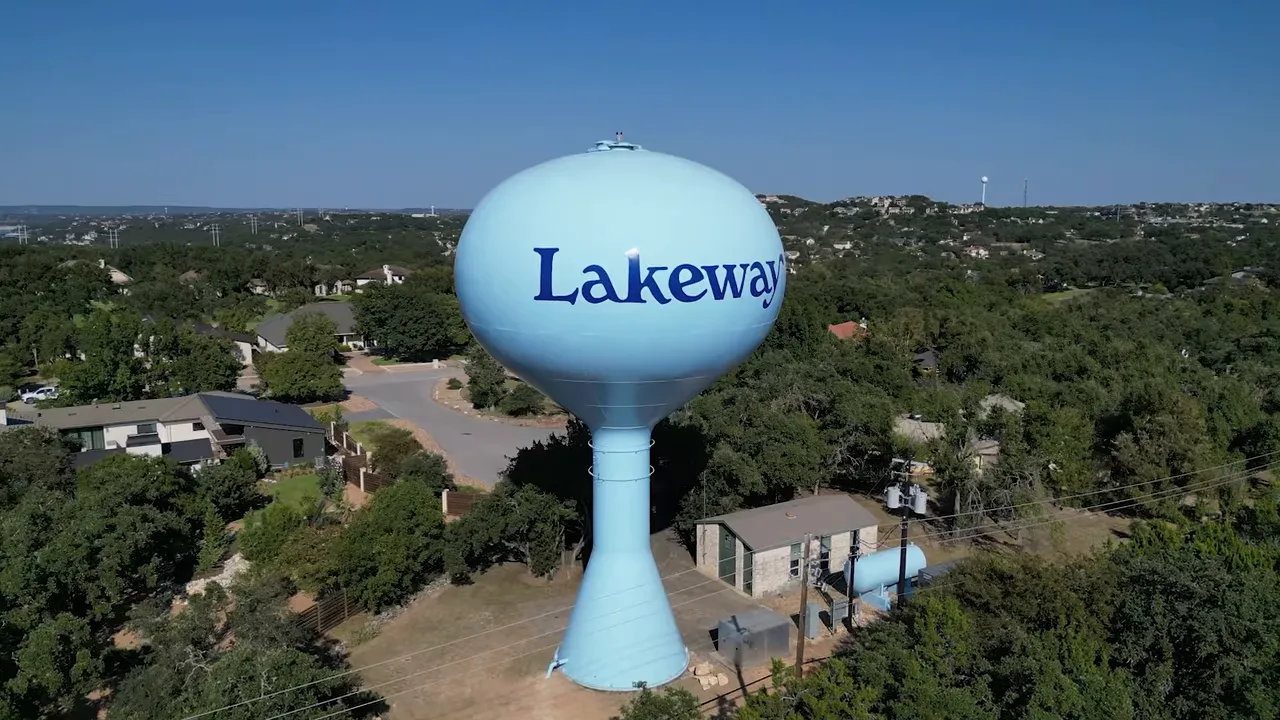
None of this means every resident thinks alike. It simply means neighborhood fit involves more than home style and square footage. Community rhythm, social atmosphere, and the people around us can shape whether a place feels like home.
Austin Fitness Culture and Active Lifestyle
People in Austin care a lot about fitness. If we live here for a year and do not end up at least a little more active, we may be doing something terribly wrong.
Fitness is not only an individual pursuit around here. It is social. People connect through running groups, bike rides, workout groups, hiking, swimming, mountain biking, paddleboarding, boating, and generally spending time outside.
If we are moving to Austin, TX from somewhere with a less active social culture, we should expect invitations to run, ride, hike, or jump in the water. We do not have to become a marathoner, but being open to those invitations can make it much easier to build community.
Austin Housing Options: Homes, Condos, and New Construction
Austin offers more housing variety than many relocators expect. There are resale homes, but there are also a huge number of new-construction opportunities, especially just outside the city limits.
In the current buyer-friendly environment described here, buyers may have more opportunity to identify what matters, choose the right location, and negotiate than they did during the hyper-competitive market of the COVID era. At that time, people often had to make multiple offers, overpay, accept few concessions, and settle for homes they did not even love.
Now there are choices. Master-planned communities can offer sidewalks, parks, trails, pools, fitness centers, and other amenities. Builders may also provide incentives, such as help with closing costs, upgrades, or even lease-break assistance in some situations.
For people moving to Austin, TX from dense and expensive markets, that volume of inventory can be refreshing. The key is making sure the new construction, school district, tax rate, commute, and neighborhood personality all work together.
Austin Traffic and Commute: Where You Live Matters
People often relocate from Los Angeles, San Francisco, Seattle, Miami, New York, or Washington, DC hoping Texas will make traffic disappear. Austin traffic may be better than some of those places, but it can still absolutely suck.
The practical takeaway is simple: choose a home based on the rhythms of our real lives. If we work downtown but buy in Georgetown because the homes look amazing, we may be facing an hour or more each way. A beautiful house can lose some magic when we are spending two hours a day in a car.
The major roadways that shape movement around the region include:
- I-35 on the east side of Austin
- Mopac, also called Loop 1, on the west side
- Highway 183 through north Austin
- Ben White, also called Highway 71, in South Austin
When moving to Austin, TX, we need to consider where we work, where we expect to spend weekends, and how close we are to the roads we will use most. Commute strategy should be part of the home search from day one, not an afterthought.
Austin Suburbs: Why Nearby Communities Are Worth Considering
Austin-area suburbs are not consolation prizes. They are not simply the places we settle for because we cannot afford the central city or do not want its politics. Many are genuinely excellent towns with their own personality, lifestyle, and appeal.
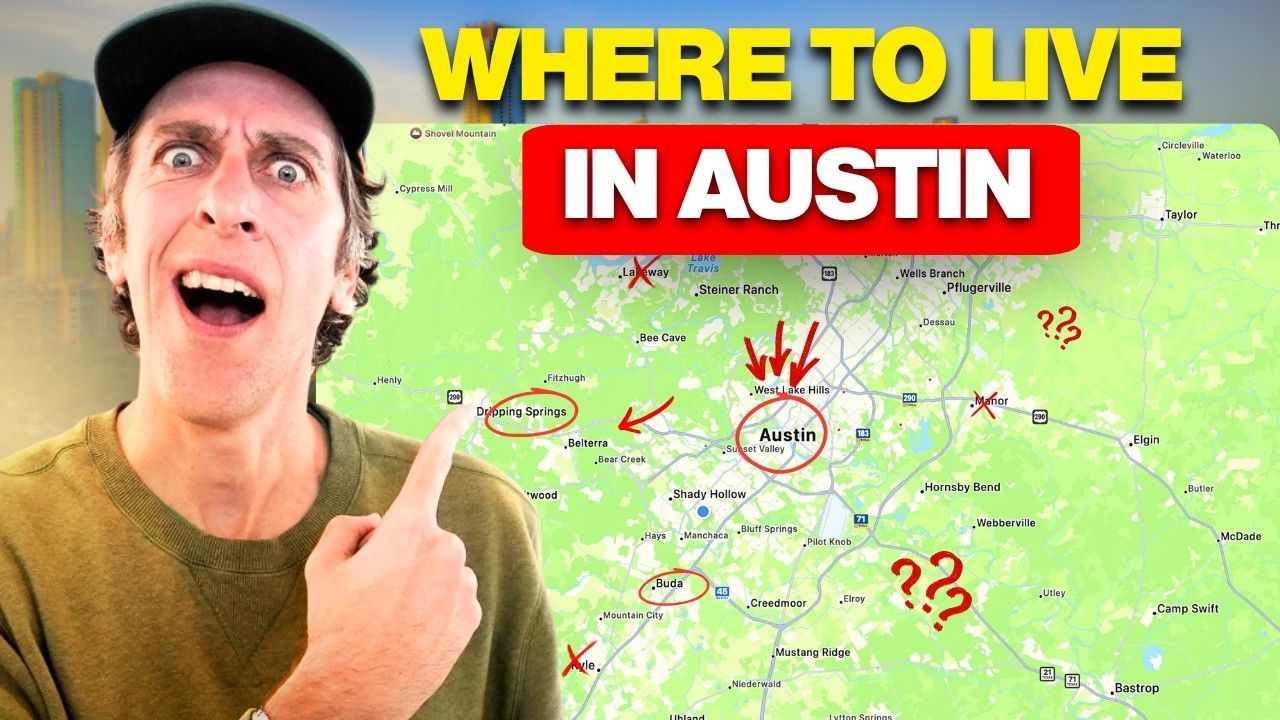
Round Rock, Georgetown, Leander, Buda, Lakeway, Bastrop, Cedar Park, Pflugerville, Kyle, Dripping Springs, and Driftwood all bring something different to the table.
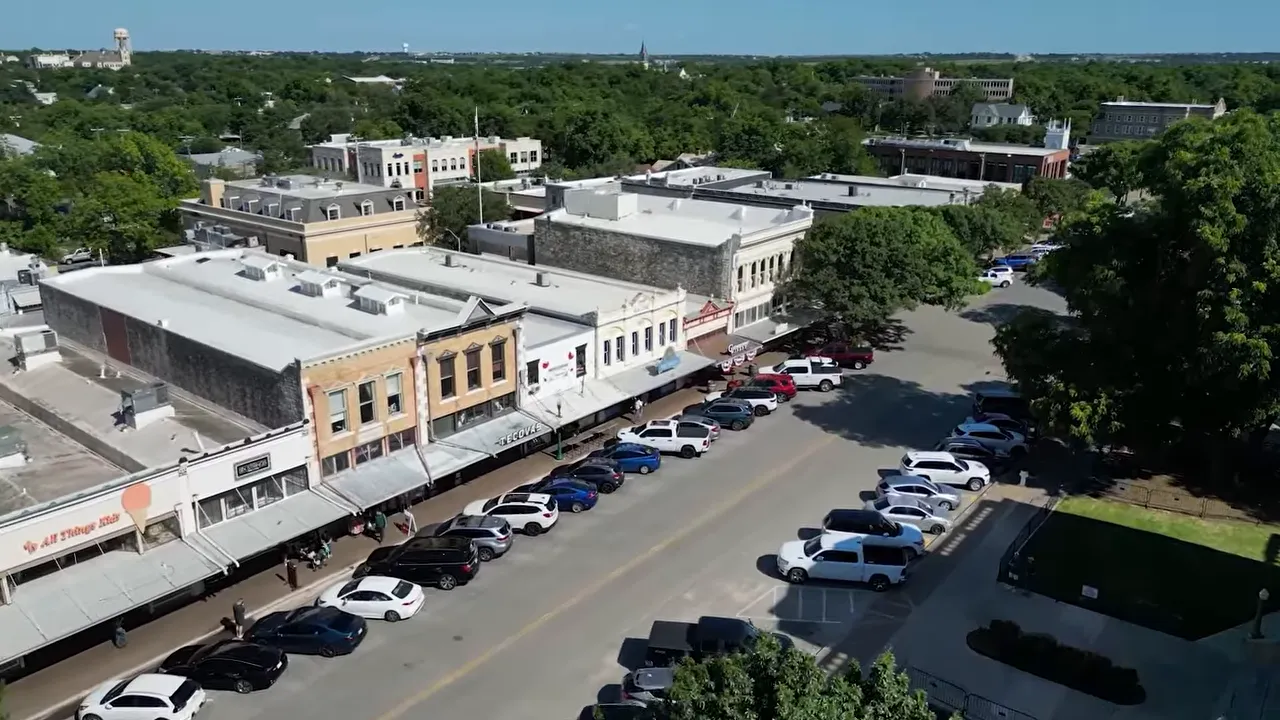
Georgetown, for example, has a beautiful historic Texas downtown centered around its town square, local shops, and community events. It has an identity that goes way beyond being an Austin suburb.
Dripping Springs puts us close to Hill Country foothills, distilleries, breweries, barbecue spots, and a more rural-outdoor feel. Lakeway provides lake and Hill Country energy. Each place has tradeoffs, but each can also be an incredible standalone destination.
Moving to Austin, TX does not have to mean living in Austin proper. Sometimes the best fit is downtown. Sometimes it is a master-planned neighborhood. Sometimes it is a historic town square, Hill Country scenery, or a place where the commute and school district line up better. We should search for the right life, not just the right city label.
Moving to Austin, TX can be exciting, but choosing the right neighborhood, school district, commute, and home takes local insight. If you're relocating to Austin, let us help you find the right fit for your lifestyle and goals. Call or text 512-855-2713 or book a FREE consultation today.
Frequently Asked Questions About Moving to Austin, TX
Is moving to Austin, TX still a good idea?
It can be a great move if the city matches our priorities. Austin offers outdoor recreation, active social culture, many housing choices, strong suburbs, and no state income tax. We just need to plan for heat, allergies, traffic, property taxes, and neighborhood differences.
Are property taxes high in Austin?
They can be high compared with many states. Rates around 2.5% are common enough to surprise relocators, and some communities can reach around 3%. A home priced at $800,000 with a 3% overall rate would have an estimated $24,000 annual property-tax bill.
Should we worry about foundation problems in Austin?
We should take foundation inspection seriously, especially in clay-heavy areas east of I-35. Central Texas soil can expand and shift through drought and rain cycles. A careful inspection and confirmation that the foundation was engineered appropriately for the site are essential.
Which Austin suburbs are worth considering?
Georgetown, Round Rock, Leander, Cedar Park, Lakeway, Buda, Bastrop, Dripping Springs, Kyle, Pflugerville, and Driftwood all offer distinct lifestyles. The right choice depends on our commute, budget, schools, desired amenities, and the kind of community atmosphere we want.
Read More: PROS AND CONS OF LIVING IN SOUTH AUSTIN: THE REAL LOCAL BREAKDOWN